
Last updated November 25, 2026
 Whole-home duct cleaning
 Dryer vent cleaning
 Camera inspection
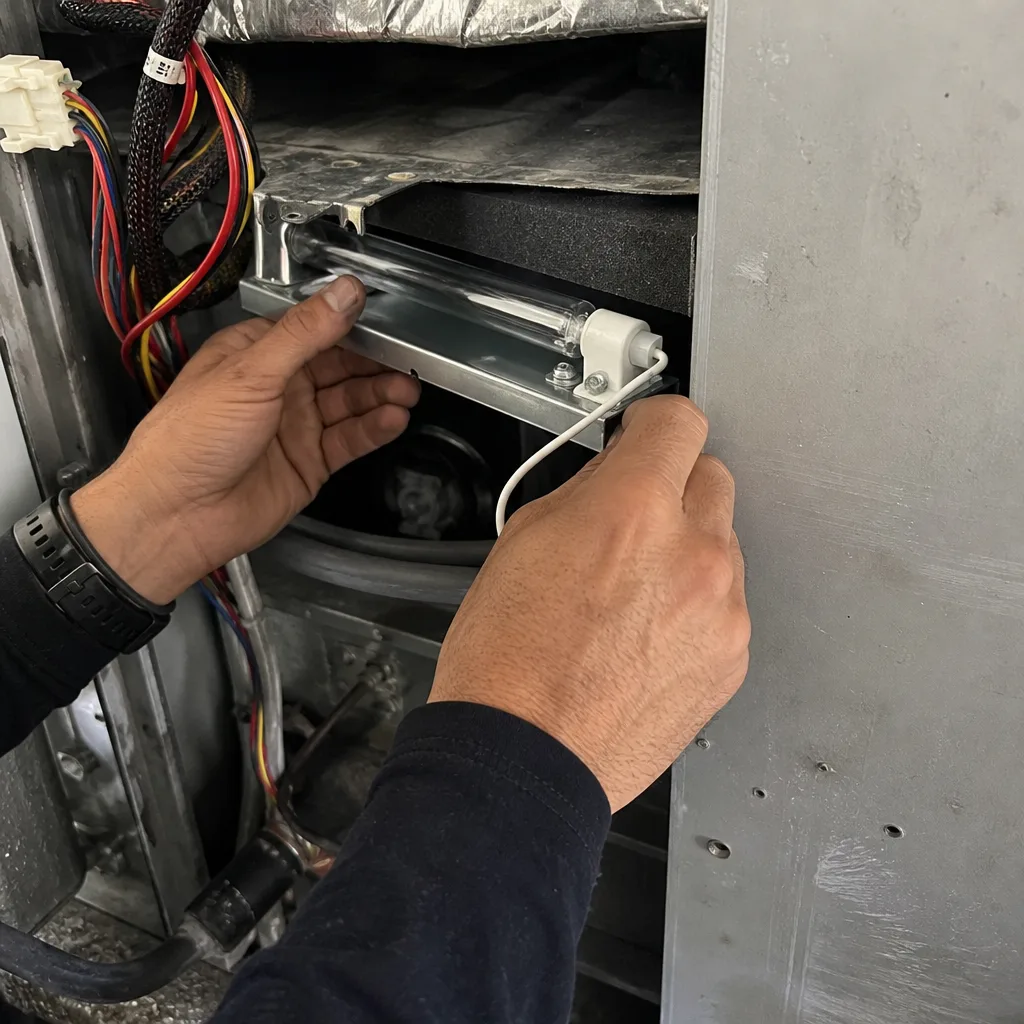
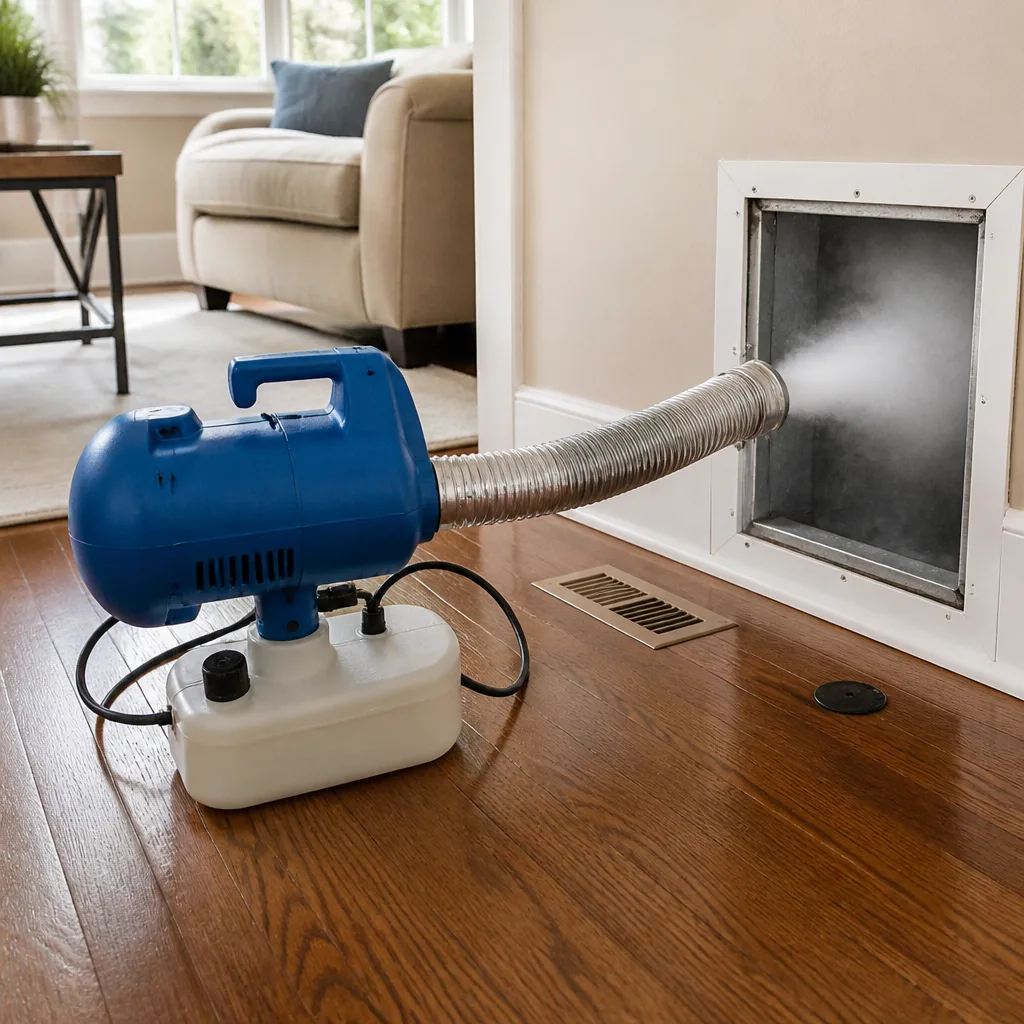 Sanitizing & deodorizing
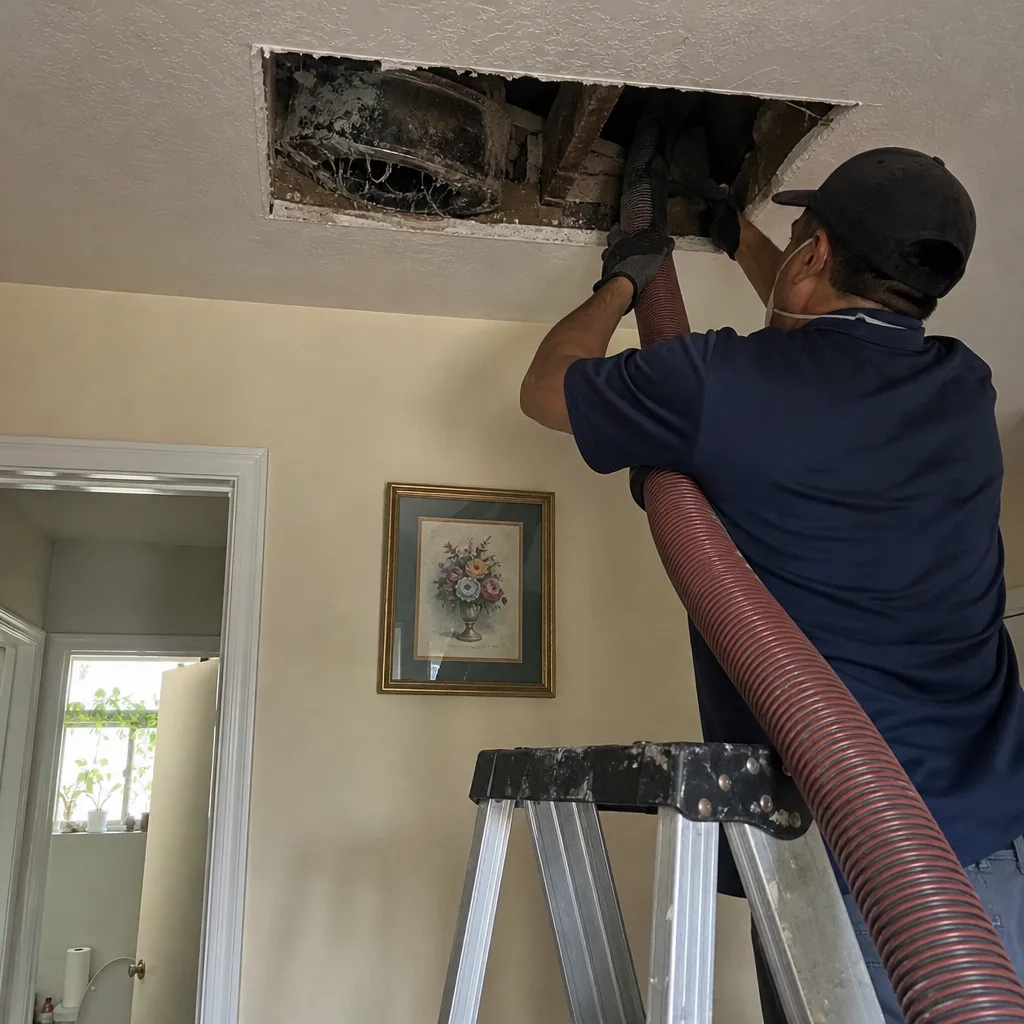
Whole-system duct and dryer vent check with before-and-after photos - you see exactly what came out of your vents
That "$99 whole-house special" is a bait ad - the real number appears once they are in your hallway, or the "clean" is a shop-vac at the register. We photograph the inside of your ducts before and after instead.
Air Duct Cleaning Warning Signs: A Lake Forest Homeowner’s Reference Guide
By the time you see a dust plume puffing out of a supply vent, the contamination inside that duct has usually been building quietly for years. The earlier signals were there the whole time. They just didn’t look like duct problems. A bedroom that runs hot in August, a slight musty smell when the system first kicks on, a filter that seems to clog faster than it used to, a faint scratching behind a wall register at dusk. In a Lake Forest home, where the cooling season runs long and the system stays busy, those small clues matter. This guide walks through the warning signs technicians read early, explains what each one points to, and shows you how to decide when it’s time to have the system looked at from the inside out.
Quick Answer
The most reliable warning signs of a duct problem in Lake Forest are uneven airflow between rooms, a 10-15% creep in HVAC runtime without a clear cause, odor patterns that appear only when the system runs, allergy symptoms timed to air conditioning rather than time of day, and pest evidence near registers. Most of these show up long before visible dust does, which is why a thorough inspection beats waiting for a plume of debris as proof of a problem.
Styles & brands we work with
- Whole-home duct cleaning
- Dryer vent cleaning
- Camera inspection
- Sanitizing & deodorizing
Table of Contents
- Airflow Asymmetry: The Sign Most Homeowners Miss
- HVAC Runtime Creep: When 10-15% Tells a Story
- Odor Patterns That Identify the Problem
- Symptoms Timed to the HVAC System
- Pest Entry Indicators in Your Ducts
- Filter and Return-Vent Clues
- How Ductwork Ages in a Lake Forest Home
- What a Proper Inspection Actually Involves
Airflow Asymmetry: The Sign Most Homeowners Miss
Uneven airflow between rooms is one of the earliest indicators of duct blockage or collapse, and it’s easier to notice than you’d think. A common version: the master bedroom cools quickly, but a second bedroom or an interior hallway never seems to catch up. Many homeowners assume the room is just poorly insulated or that the thermostat is whacked out. It’s often neither. The supply run serving that room may be kinked, crushed, or disconnected somewhere in the attic run.
Flex duct is especially vulnerable. It’s the flexible, foil-wrapped tubing common in Southern California attics, and because it’s so pliable, it can sag, pinch at a tight turn, or come loose from a takeoff and lose its pressurization. When it kinks, air volume drops. When it disconnects, you’re throwing cool air into the attic instead of the living room. Either way, the room gets starved while the rest of the house seems fine.
Here’s how to check your airflow pattern without any special equipment:
- On a hot day, let the system run for at least 20 minutes with the thermostat set normally.
- Hold your hand a foot in front of each supply register, one at a time, and note the strength of airflow. Strong, medium, weak, or nothing. Do it in the same room and don’t compare across floors yet.
- Repeat the same test at the return registers. You’re checking that returns aren’t whistling or pulling weakly.
- Write down which rooms are weak. A pattern of two or more weak rooms on the same side of the house, or on the far end from the air handler, is a real clue.
- Test again in the morning when the system is off. If it starts up with a brief rattle or hiss at a weak register, that’s a sign of pressure imbalance.
A single weak register can be a damper issue or a closed diffuser. Two or more weak rooms that persist is worth investigating.
We find these airflow problems regularly in Lake Forest homes, particularly in older single-story neighborhoods where flex duct has had time to sag over warm attic runs. If the pattern holds, it’s worth scheduling a full air duct cleaning visit to get the system inspected from the inside, not just the register side.
HVAC Runtime Creep: When 10-15% Tells a Story
If your system seems to run noticeably longer than it did last year, and there’s no obvious cause, restricted airflow is a likely culprit. A common pattern is a runtime increase of 10-15% compared to the previous season. Homeowners often assume it’s refrigerant, and sometimes it is. But when the system is adequately charged and the thermostat is fine, restricted airflow forces the same amount of cooling through a partially blocked duct pathway, which means it cycles longer to hit the set temperature.
Watch for the combination of:
- Longer run times between cycles, especially in the late afternoon peak heat.
- A slightly warmer house than the thermostat should produce, or a hard time reaching setpoint around 4-6pm.
- Higher energy bills in a month with similar usage patterns.
- A system that recovers slowly after a hot day of cooking or laundry.
What makes runtime creep a warning sign rather than a diagnosis is that it can come from several places: refrigerant, a failing capacitor, a dirty coil, or duct restriction. The point is to not assume it’s the refrigerant before checking the airways. When we do HVAC cleaning for a Lake Forest home, we look at the unit and the duct path together for exactly this reason. A system with a clean coil but restricted ducts will still run long.
Odor Patterns That Identify the Problem
The specific smell tells you more than the fact that there’s a smell. Odors in a home are easy to write off as old-house character or a stale room. But the pattern matters. When the odor appears only after the system kicks on, follows a specific room, or intensifies through a full cooling cycle, it’s pointing at the duct pathway.
Three patterns worth knowing:
- Musty or damp smell: Usually moisture. It can come from condensation in a duct, a poorly sealed run in a humid attic, or microbial growth on a damp evaporator coil and the duct lining behind it. Musty smell tends to strengthen after a run cycle.
- Burning or hot-dust smell: Signals debris sitting close to a heat source, such as dust on the heat exchanger or in a duct near a hot attic run. If the smell is sharp or smoky rather than dusty, shut the system off and have it inspected, because that’s a safety issue rather than a cleaning issue.
- Chemical or plastic smell: Off-gassing insulation, a failing component, or adhesive in new duct material. In a home with recent duct work, some off-gassing is normal for a short period. Chemical smell that persists for weeks or reappears only when the system runs deserves a check.
In a Lake Forest attic, the warm afternoon temperatures can accelerate the way a hidden damp spot smells once the blower pushes air through it. That’s one reason a musty smell is a stronger indicator here than in a colder climate.
Symptoms Timed to the HVAC System
Allergy or respiratory symptoms timed to the HVAC cycle are a real warning sign, and they’re often misattributed to time of day or outdoor activity. Consider the timing carefully. Do symptoms flare during a window when the system is running? Does a run of cool air from a certain room trigger a tickle or a cough? Does a bedroom feel worse after an hour of air conditioning but fine on an evening with the windows open?
Patterns worth writing down for a few days:
- Note the time you turn on the system and the time symptoms start.
- Note which room you’re in and which register is nearest.
- Check the filter condition. A clogged filter alone can push more particulate into the air.
- Check whether symptoms ease when the system is off for 20 minutes.
If the pattern repeats across three or four days, it points to the air pathway rather than seasonal allergies. That doesn’t mean you should diagnose yourself. It means the information is useful. When you call a professional, telling us the room, the register, and the timing saves a lot of guesswork.
Pest Entry Indicators in Your Ducts
Pest entry into a duct system leaves signs before it becomes an emergency. Rodents and insects like ductwork because it’s dark, sheltered, and warm. In a Lake Forest home with a heavy run of flex duct through an accessible attic, entry points can open up around penetrations or where a boot has separated from a register.
Watch for:
- Droppings near a register, on the floor below a supply vent, or in the duct collar itself.
- Scratching or skittering sounds at dusk or early morning from a wall or ceiling near a duct run.
- Unexplained pest sightings in a room that has no obvious access, like an interior closet or a pantry.
- Chewed flex duct material or loose insulation fibers near a takeoff.
- Pests drawn to condensation around a register in summer, which can signal moisture in the run.
The problem with pests is that the damage is twofold. There’s the pest itself, and then there’s the breach. A chewed flex duct loses its seal, so conditioned air escapes and unfiltered attic air enters. A cleaning job without a repair and reseal just clears the mess without closing the opening. That’s why we treat dryer vent cleaning and general duct work with the same eye for breaches; anywhere a run can separate, pests can find it.
Filter and Return-Vent Clues
Filter and return-vent clues are the most useful diagnostic signs available to a homeowner because they’re visible without tools. A filter that clogs in half the usual time is a strong hint that a lot of particulate is moving through the system. A return vent with a dark shadow of soot around the grille suggests the air handler is drawing from a dirty source, either inside the ducts or from a poorly sealed return path that pulls attic air.
What to look at:
- How often you change the filter. If it used to be every three months and now it’s every six weeks with the same filter, something has changed in the system.
- Whether the filter is caked evenly or heavily loaded on one side only. Uneven loading suggests a return path is pulling from one direction more than the other.
- The grille itself. A dust ring around a return grille is normal after a few months. A greasy or sooty film is not.
- Whether the filter frame and the grille sit flush. A gap lets air sneak around the filter and pull dust into the duct.
Our technicians have up to 10 years of experience, and this filter question comes up often in Lake Forest follow-up visits. Simple but telling.
How Ductwork Ages in a Lake Forest Home
Ductwork in Southern California ages differently than ductwork in a cold climate, in ways that matter for what you should watch. Winters are mild, so the system spends most of its heavy hours on cooling. That means most of the mechanical wear happens in the warm months, and the attic environment traps heat. Flex duct lining and insulation can degrade from prolonged exposure to warm, dry attic air, then the cool air passing through it during the cooling season creates a sharp temperature differential. The result is condensation risk at the right conditions and material fatigue at the joints.
In neighborhoods across Lake Forest with a mix of tract homes from different eras, the condition of ductwork varies a lot. The attic layout, how tightly the runs are bundled, and how many corners each run takes all affect the system. A run that’s been sagging in a warm attic for several seasons tends to develop a kink before it develops a hole.
For homes that have had a recent remodel, the signs are more specific. New construction dust, drywall powder, and insulation fibers have a way of settling into the duct pathway during a project. If you’ve just finished a renovation and noticed any of the signs in this guide, a full Lake Forest Air Duct Cleaning Pros review of the system before you settle into the new layout makes sense.
What a Proper Inspection Actually Involves
A proper air duct inspection examines the system, not just the registers. A surface look at a grille tells you almost nothing about what’s inside a run. Here’s a short version of what a methodical inspection looks like:
- Start at the air handler and work outward to the registers, checking the return first.
- Open the plenum and visually assess the first section of each main run.
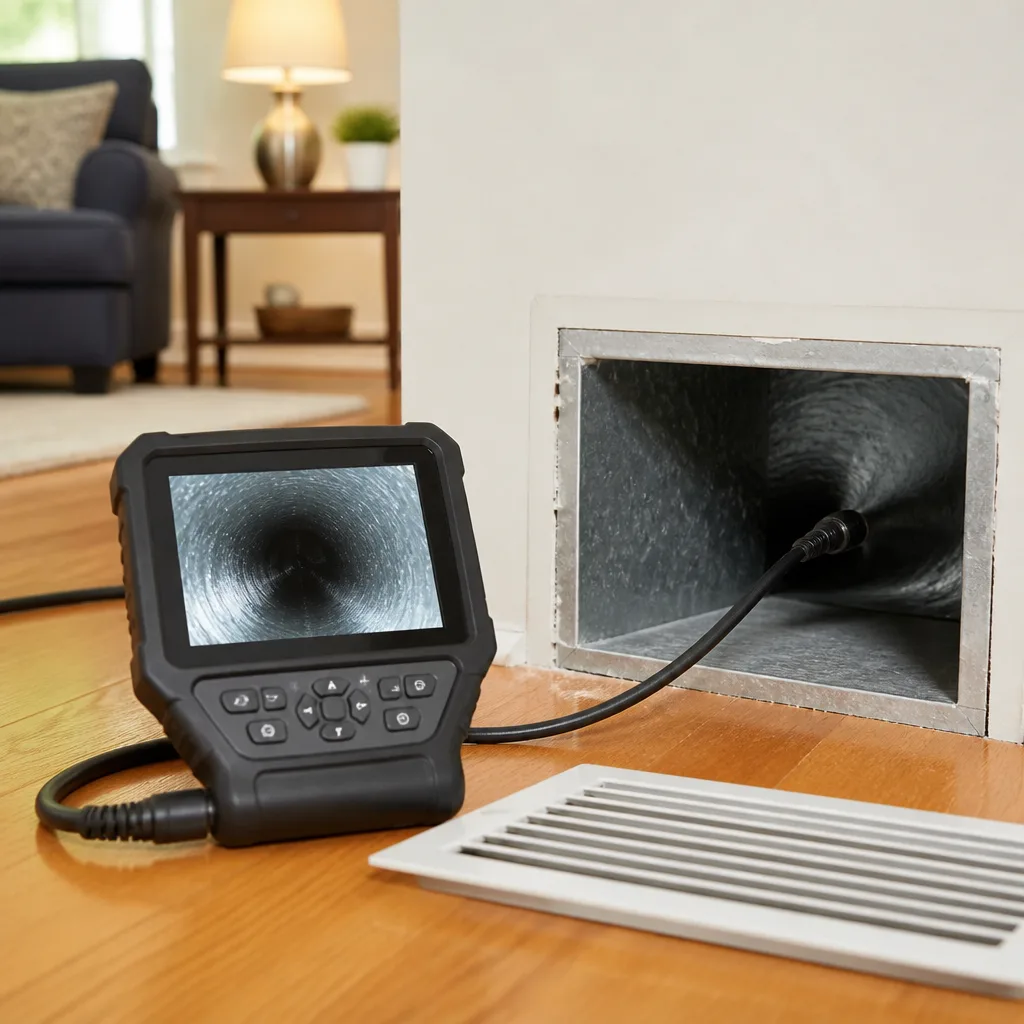
- Use a camera or a light on a flexible probe to view interior surfaces, seams, and joints.
- Check for disconnected runs, sagging flex duct, and holes in rigid duct.
- Assess moisture: condensation on the evaporator coil, dampness near the plenum, or microbial growth on the duct lining.
- Look at the filter and the return system for bypass gaps.
- Note any compromised section and plan the repair before cleaning, because cleaning a leaking duct system without sealing it just sends debris back into the attic.
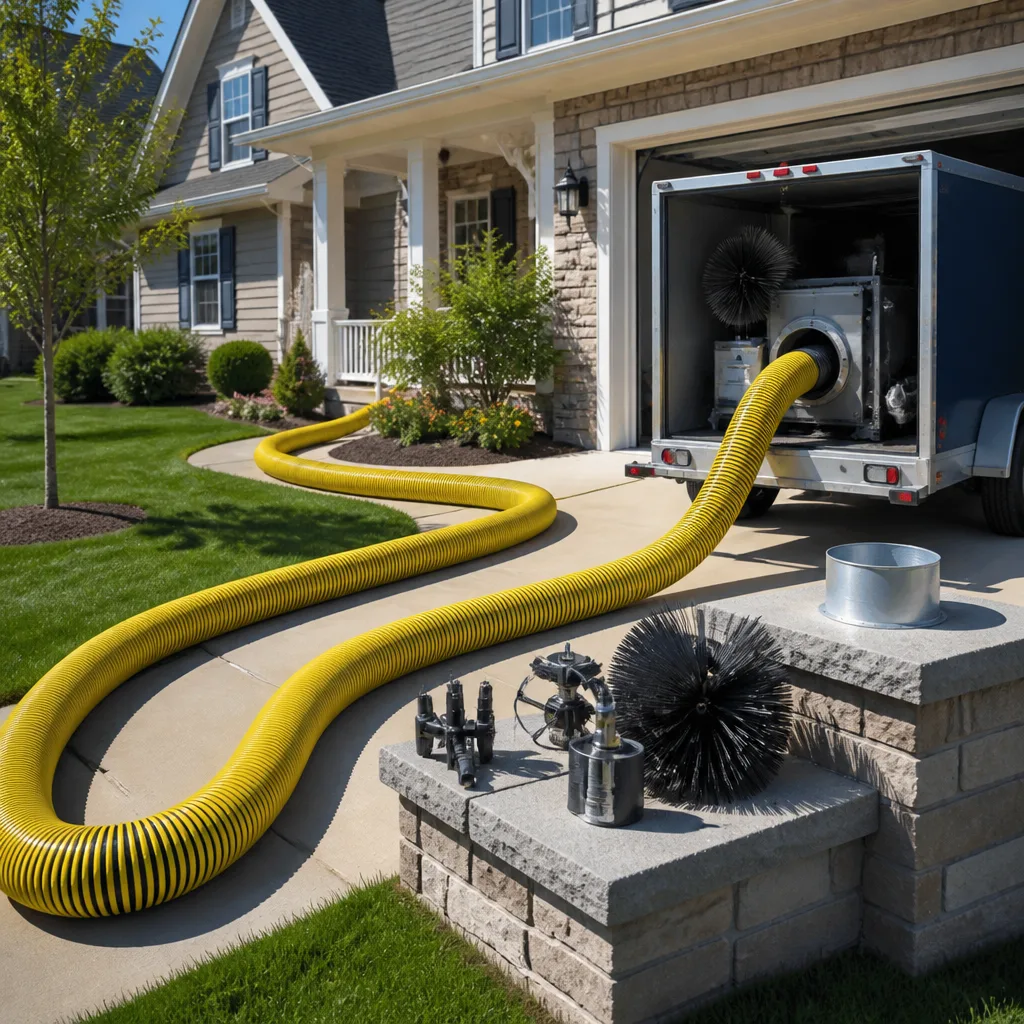
This is the process we run with the Rotobrush and Nikro rotary-brush equipment, plus Abatement Technologies air filtration on site to contain what gets dislodged. The point is to make the job finished, not fast: the extraction, the assessment, and the repair and sealing all happen as one visit.
Our team is certified to work with Honeywell and Aprilaire filtration products and understands how those systems sit inside the duct pathway. If your home has one of those filtration units, mention it when you call so the technician can plan around it.
Common Mistakes to Avoid
- Judging the system only by the register. A clean-looking grille says nothing about the duct interior. The signs that matter are upstream of the register, at the plenum and the joints. A register-only look is like judging a house by the doormat.
- Calling a coupon-first cleaner and expecting a full-system inspection. The lowest advertised price usually covers a surface swipe, not a full assessment. In Lake Forest, that gap is the most common reason a homeowner calls a second time.
- Cleaning without sealing. If the cleaning reveals a disconnected or crushed run, cleaning alone just makes the breach more visible. Duct repair and sealing need to happen in the same visit.
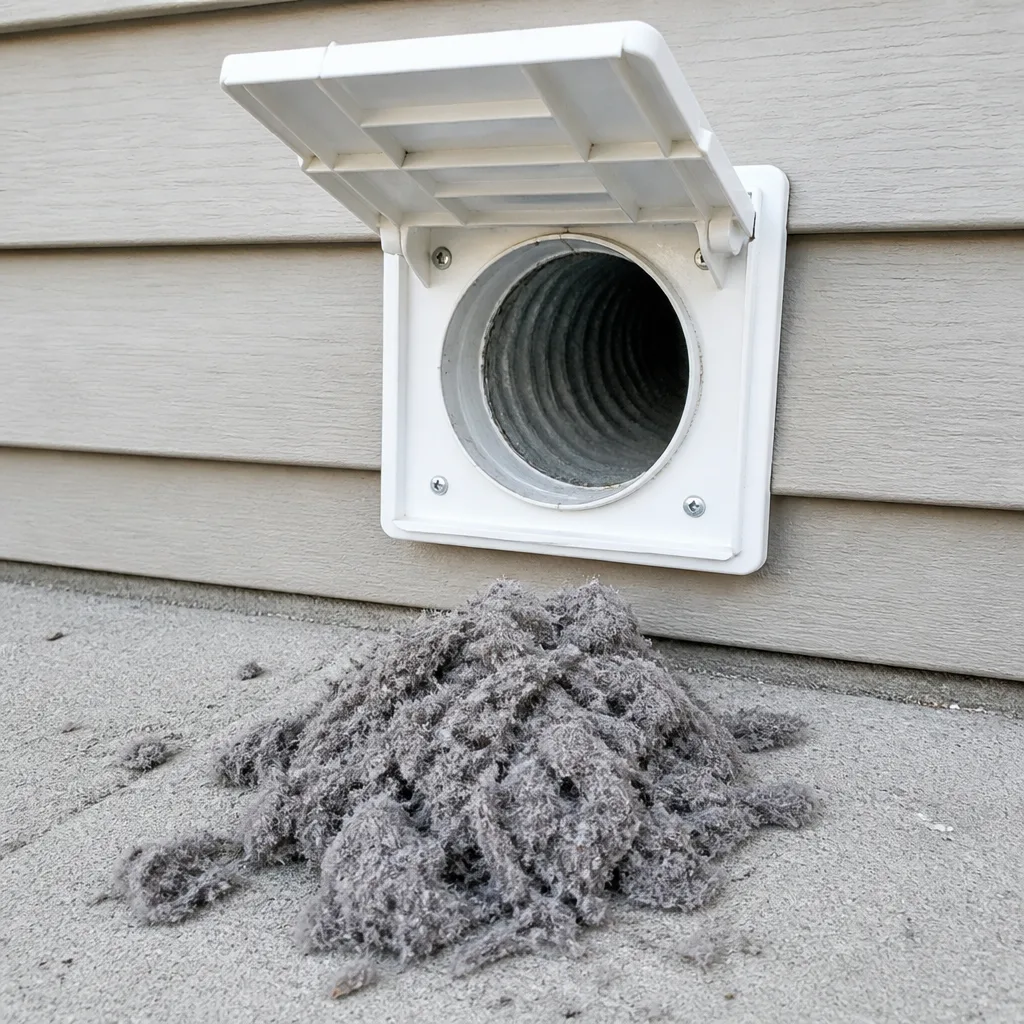
- Ignoring the dryer vent when the ducts are cleaned. The dryer vent is a leading cause of residential fires, and it often gets overlooked in a duct-only service. Book both at once.
- Assuming a longer runtime is a refrigerant problem. It might be. But it might be airflow restriction, and that needs a different fix. Don’t skip the diagnostic step.
- Replacing the filter more often instead of looking for the source. Changing filters masks the particulate symptom. It doesn’t find the breach.
- Booking a cleaning and hoping the leak disappears. If a room has been weak for a season and the run is crushed, cleaning won’t un-crush it. Ask for a repair and seal assessment on the same visit.
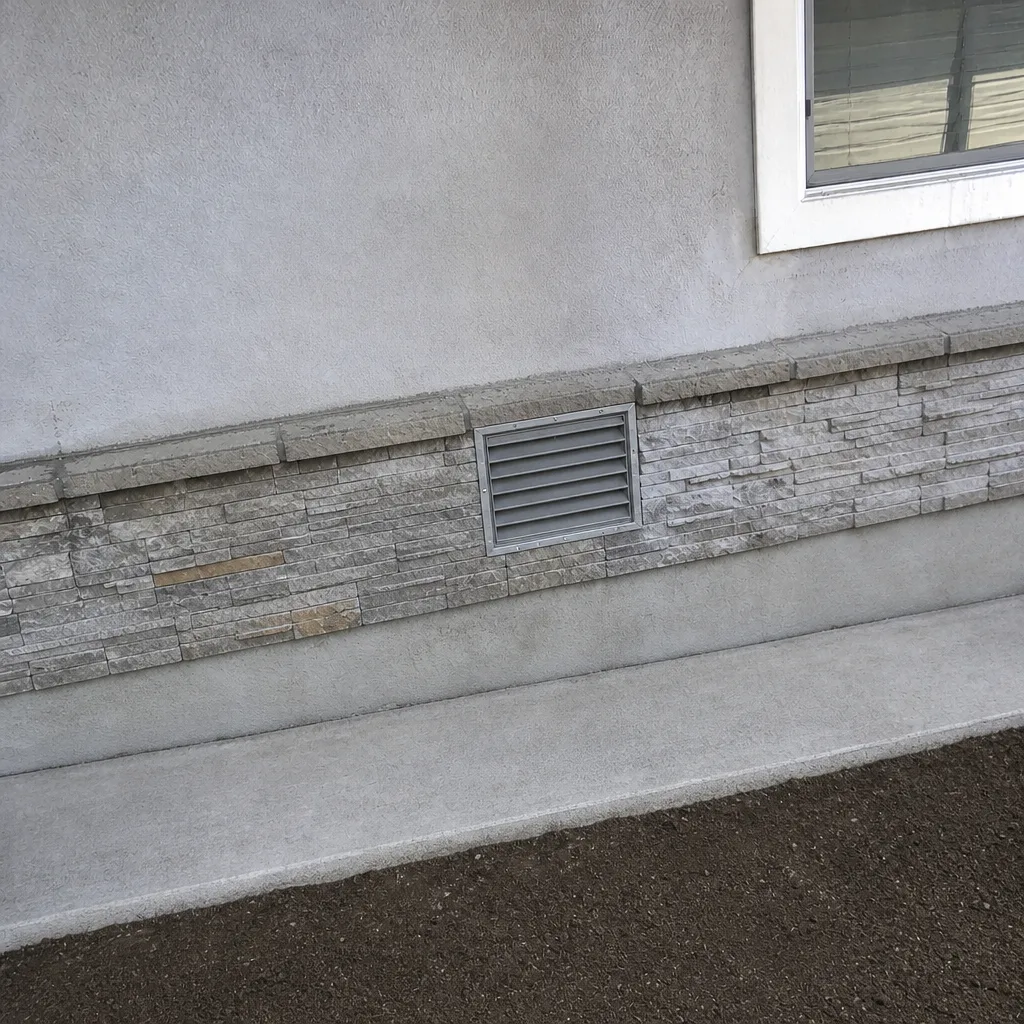
See the difference
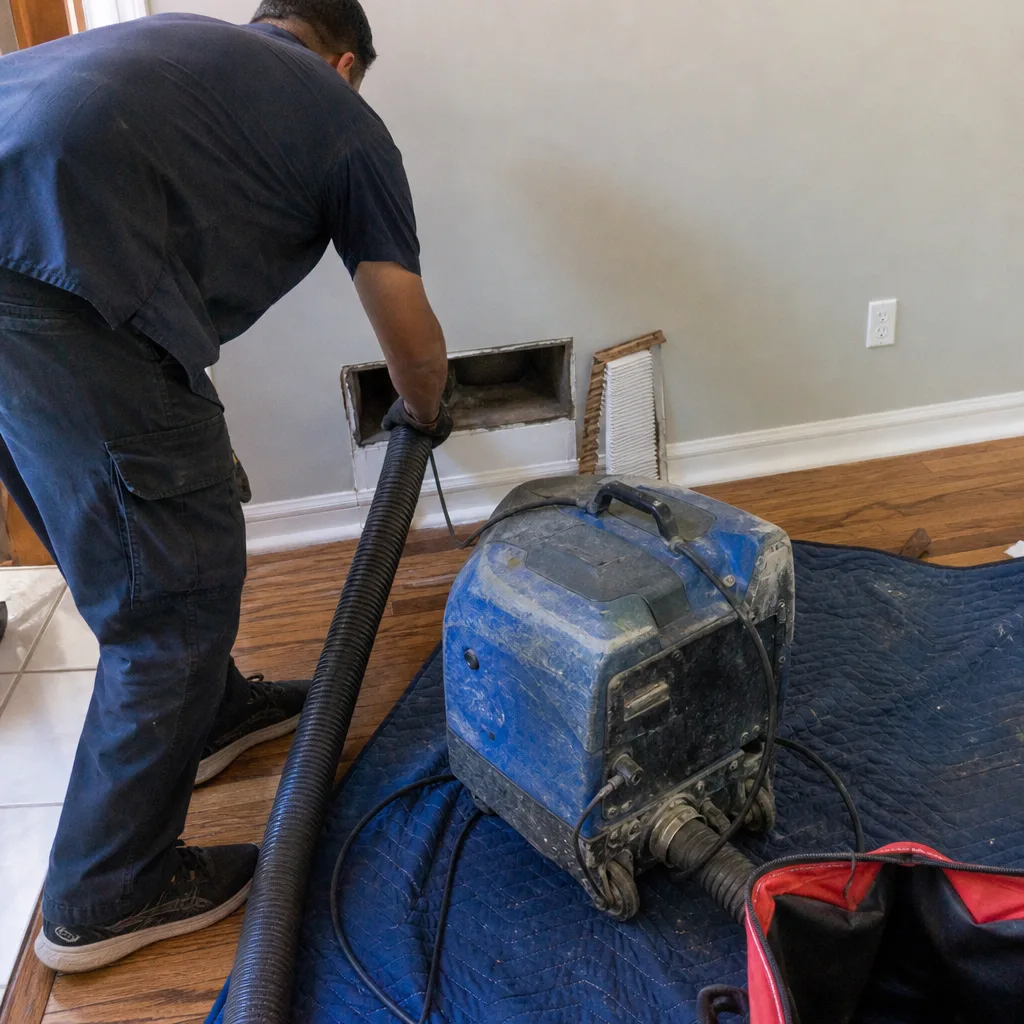 Before
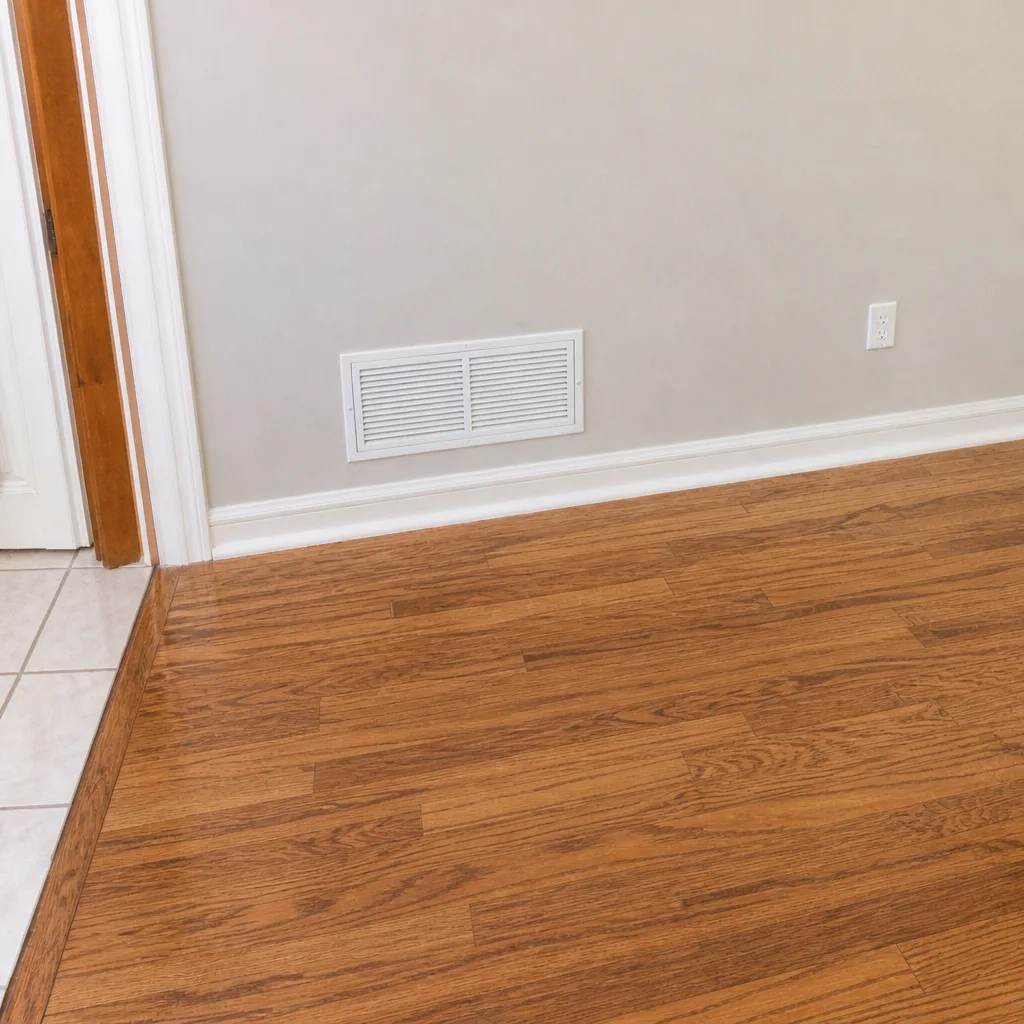 After
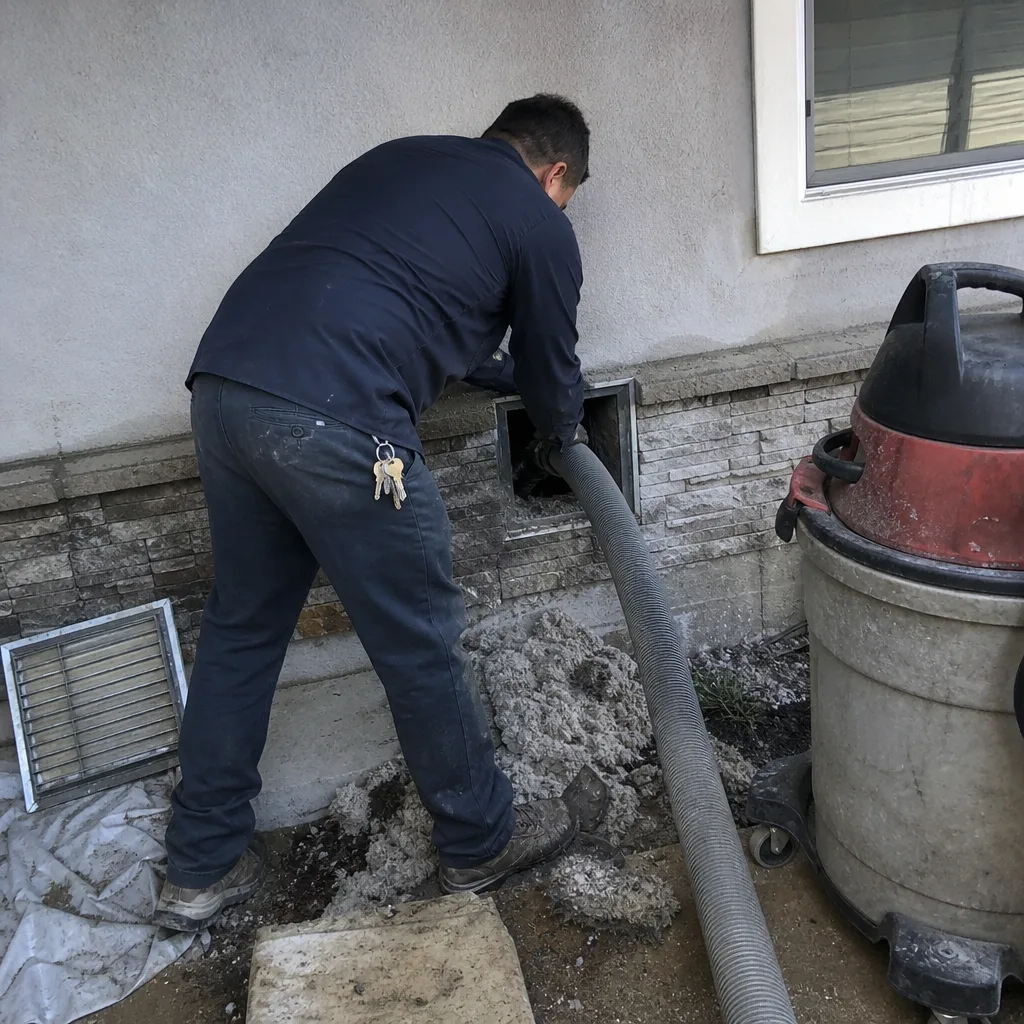 Before
 After
 Before
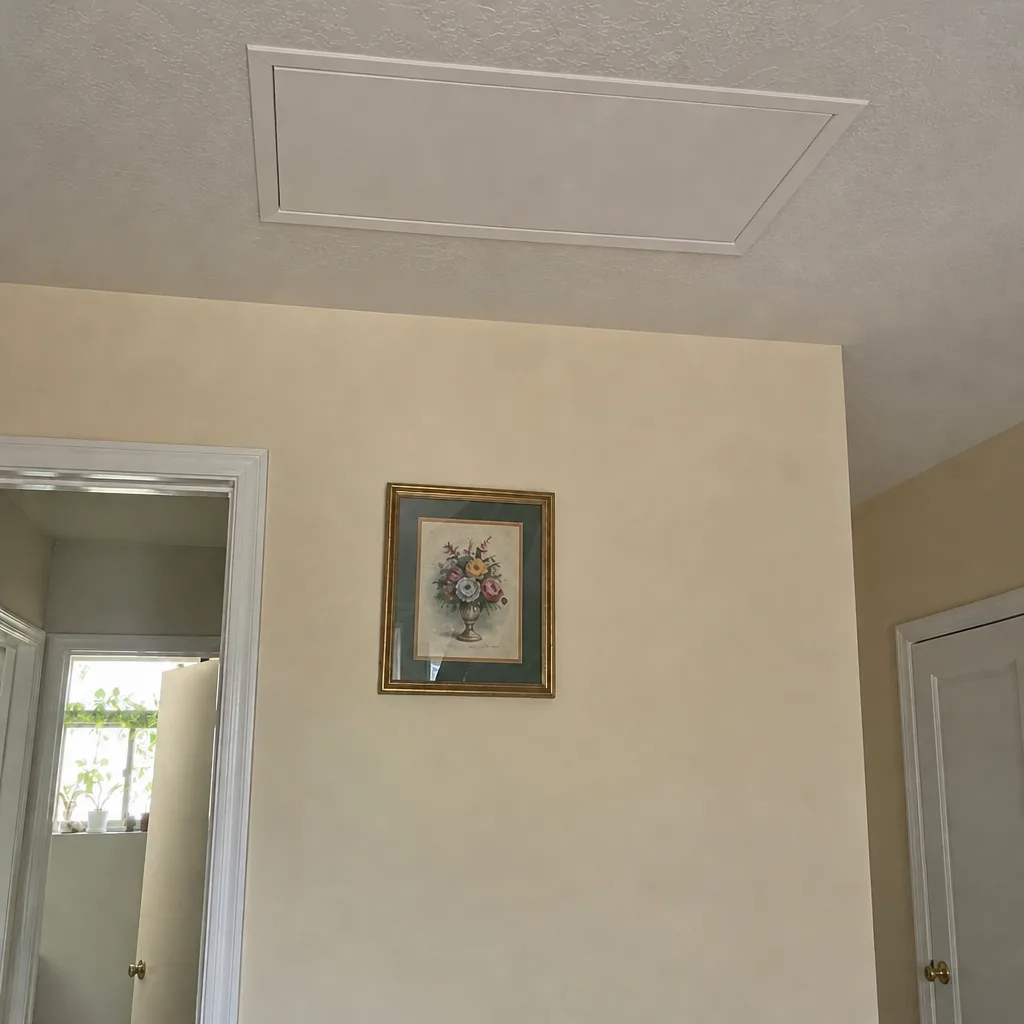 After
When to Call a Professional
Call a professional when the pattern repeats across rooms rather than a single room, when symptoms match HVAC run time three days running, when you find pest evidence beyond a single sighting, or when you smell burning or chemical odors that come and go with the system. Those are the moments to stop testing and start inspecting. A licensed local pro should look at the whole path, from the unit to the register, and tell you what’s actually there. Lake Forest Air Duct Cleaning Pros offers free estimates in Lake Forest. Call (833) 468-5640. We answer 24/7, fast dispatch from 7am to 7pm, Sunday through Friday, closed Saturday. Same-day visits are often available, and one flat price per system gets agreed before any work starts.
Frequently Asked Questions
You can’t know for certain from outside the duct, but the strong clues are airflow asymmetry between rooms, a runtime creep of 10-15%, a musty or chemical smell that follows the system cycle, and a filter clogging faster than usual. A single cloud of visible dust is a late sign, not an early one. Pulling a vent is not recommended for a homeowner because the collar and boot are easy to damage and insulation can come loose. Schedule an inspection instead. Call (833) 468-5640 for an exact quote, with free estimates.
A musty smell usually means moisture somewhere in the air pathway, often on the evaporator coil, in a damp section of duct lining, or in an attic run that’s been cool under warm insulation. In Lake Forest homes, the warm attic and cool run combination can set up condensation conditions on the wrong days. The fix is finding the source, not masking it with air freshener. Call (833) 468-5640 for an exact quote, and we’ll walk through the vent and coil together.
The low quotes usually cover a partial service or a coupon that balloons once the technician is on site. A whole-system clean with a repair and seal assessment, containment equipment, and a before-and-after photo set takes more time than a coupon will cover. Our position is one flat price per system agreed before work starts, with no per-vent pricing and no surprise line items. Call (833) 468-5640 for an exact quote, and compare the scope before the price.
The most reliable proof is a before-and-after photo set from the technician and a clear description of what was found inside the system, room by room. Ask for that up front. A technician who doesn’t offer photos is a technician to skip. In Lake Forest, we include before-and-after photos and a written summary of what each section of the system looked like. Call (833) 468-5640 for an exact quote.
There isn’t a universal schedule. It depends on the home, the filter maintenance, whether there’s been a renovation, and whether pets are in the home. A good rule of thumb is to have the system inspected once every few years and cleaned when the inspection finds build-up, moisture, or a breach. If you’ve noticed any signs in this guide, that’s the trigger. Call (833) 468-5640 for an exact quote; estimates are free, and a Lake Forest visit can tell you what your system needs.
We do include dryer vent cleaning in the service scope, and we recommend booking it at the same time as a duct cleaning. The dryer vent is a leading cause of residential fires, and it’s often the part most cleaners skip. If your dryer has been running longer than usual or the laundry room smells warm, that’s a reason to have it checked. Call (833) 468-5640 for an exact quote.
The Bottom Line
The biggest mistake homeowners make with duct problems is waiting for a visible sign. By the time dust puffs out of a vent, the contamination has been building for a long time, and the smaller signals, the weak room, the runtime creep, the musty smell, went unread. The pattern to look for in a Lake Forest home is repetition: same room, same odor, same timing. One sign is a data point. Two or more signed up with the system is worth a call. If any of these fit your home, get the system looked at from the inside by the team that can clean, repair, seal, and sanitize it as one visit. Call (833) 468-5640, and we’ll give you a free estimate and one flat price per system agreed before work starts.
Written by the team at Lake Forest Air Duct Cleaning Pros.