
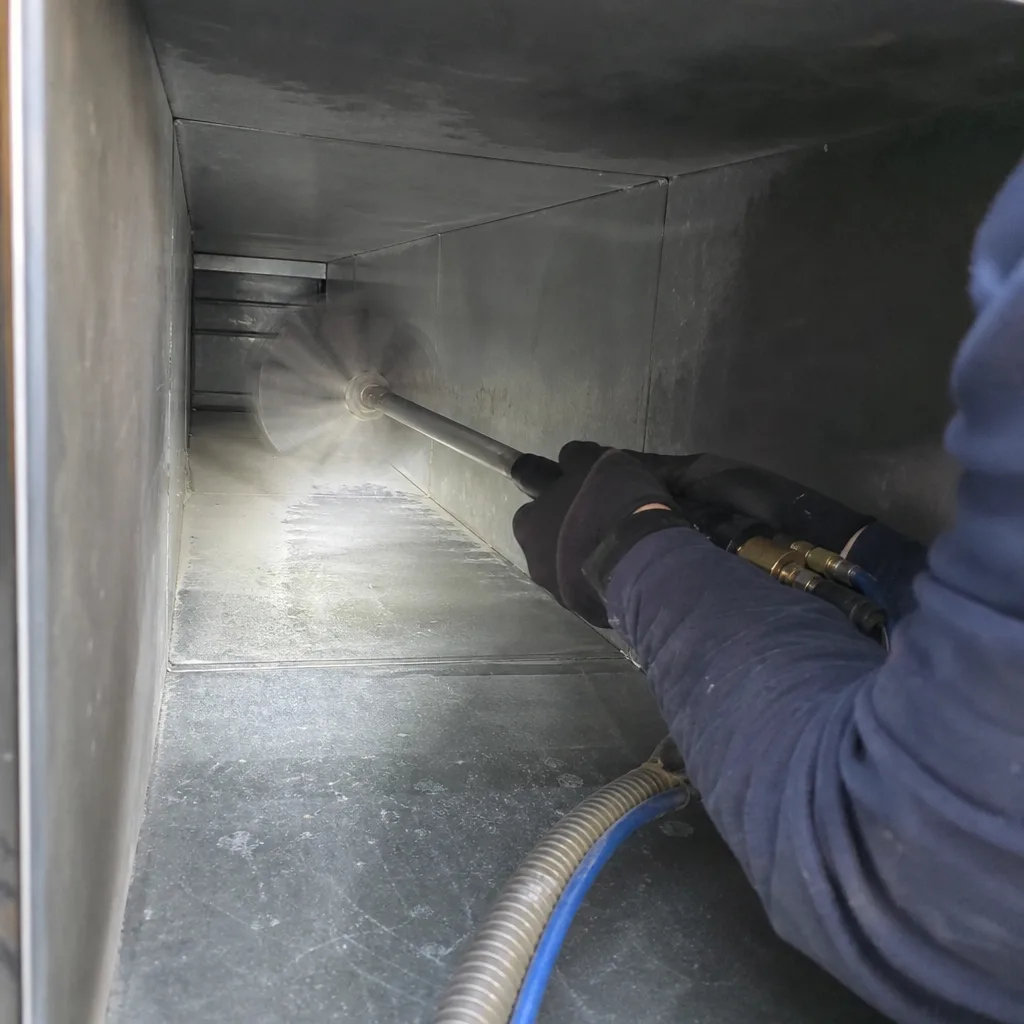
Last updated November 25, 2026
 Whole-home duct cleaning
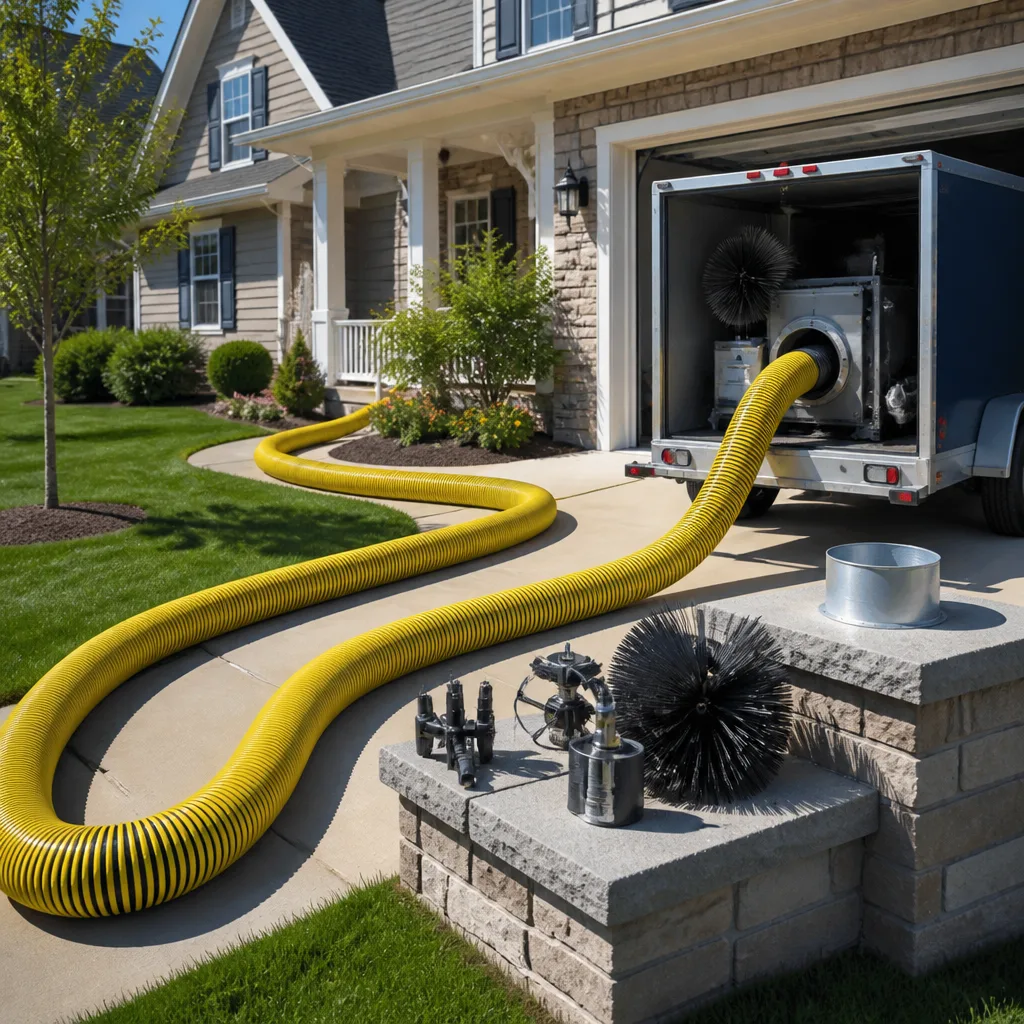
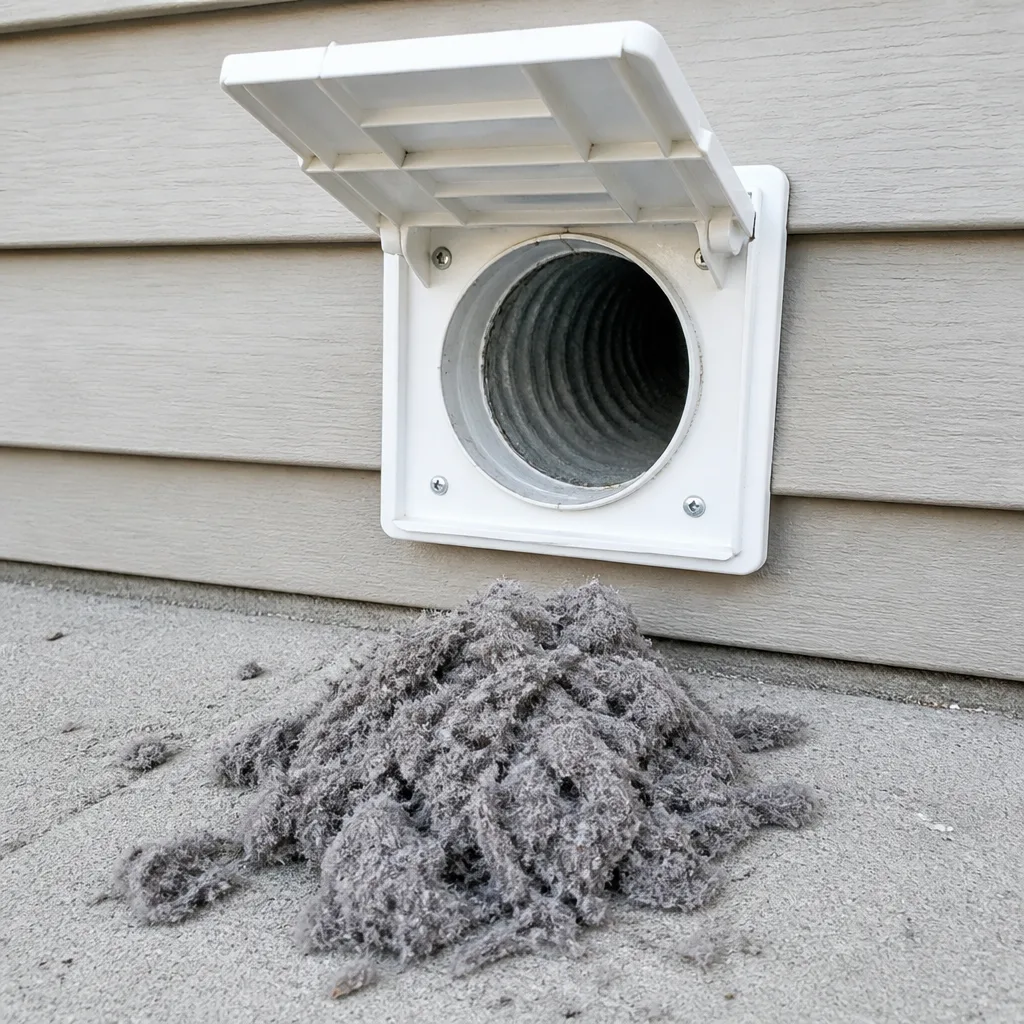 Dryer vent cleaning
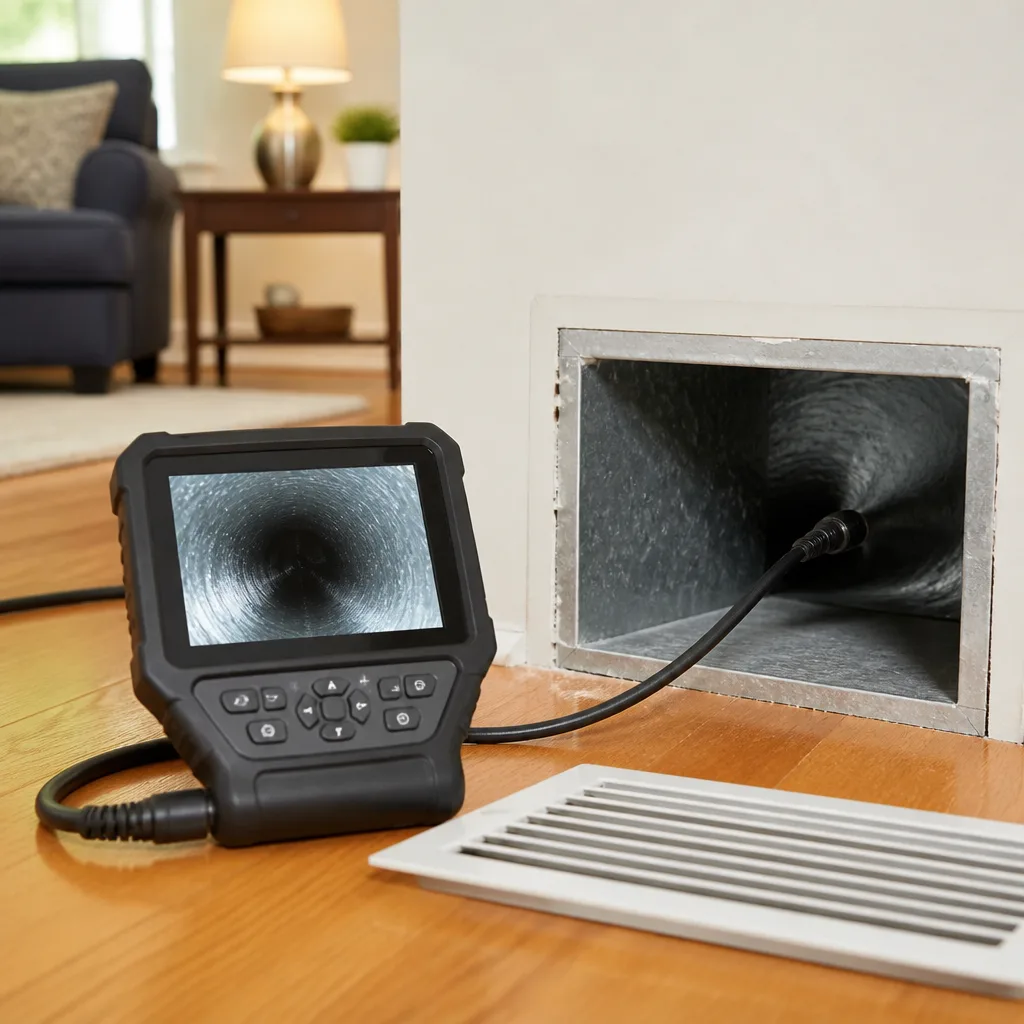 Camera inspection
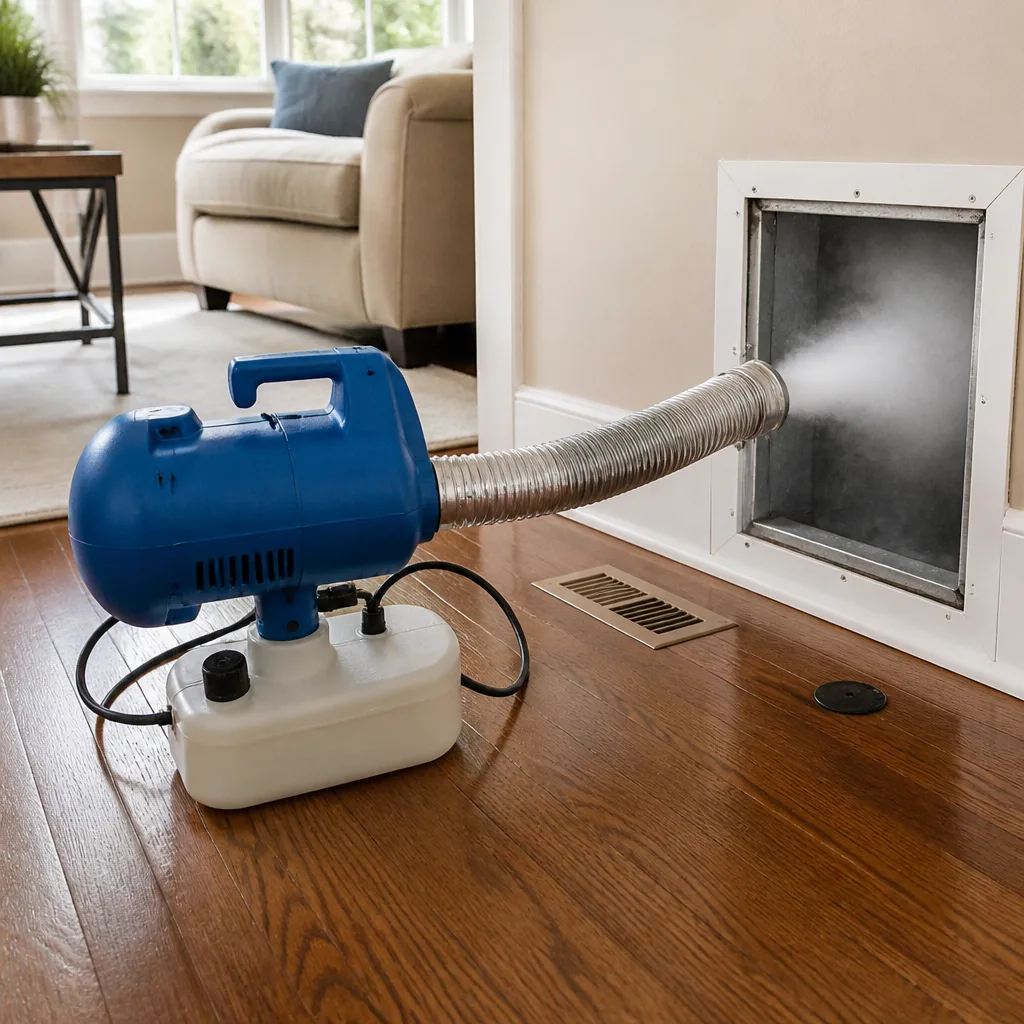 Sanitizing & deodorizing
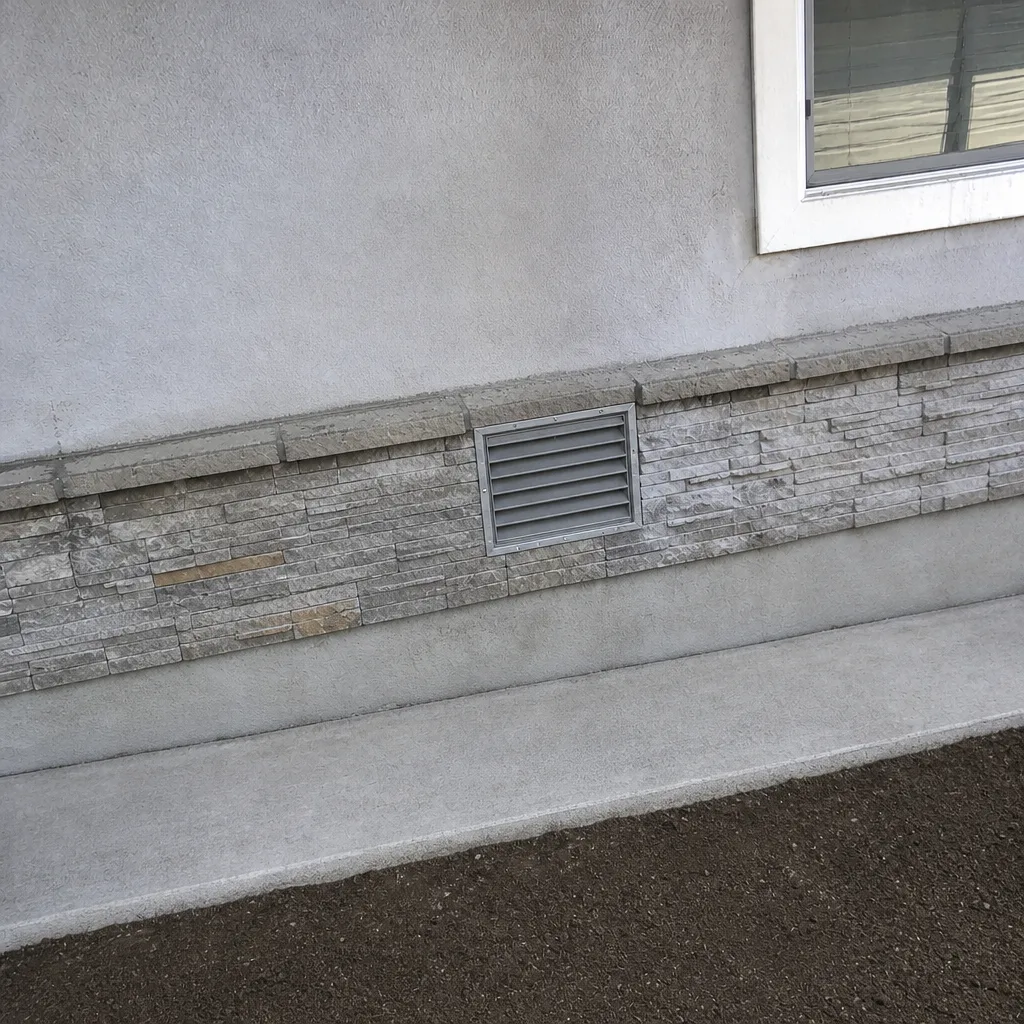
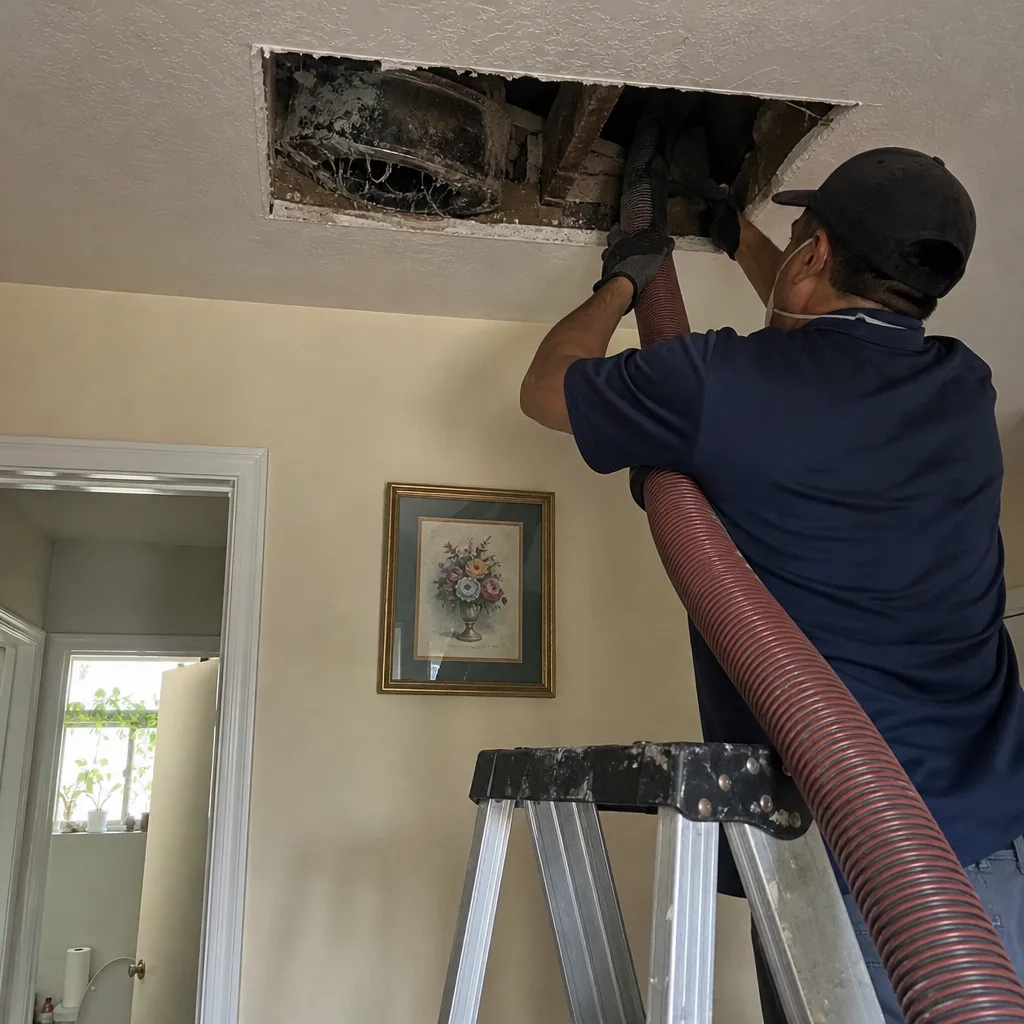
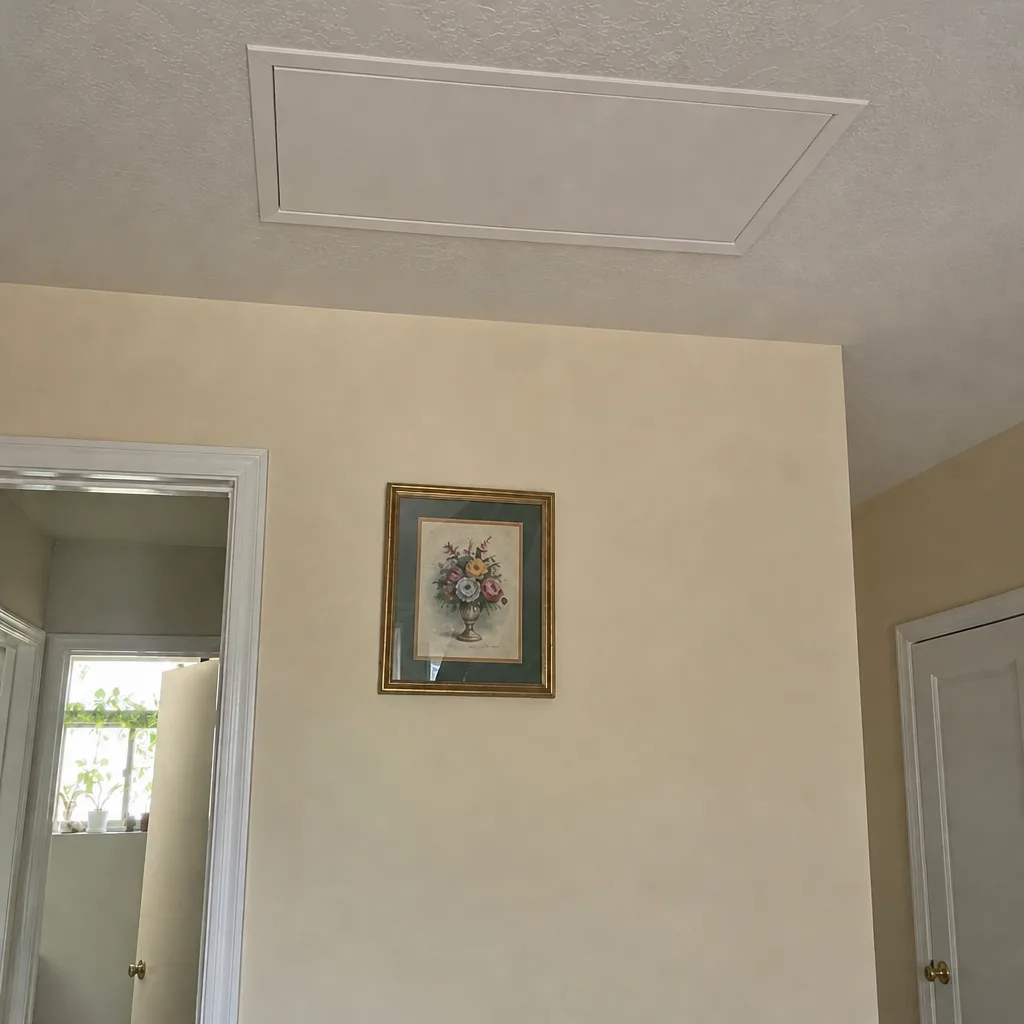
Whole-system duct and dryer vent check with before-and-after photos - you see exactly what came out of your vents
That "$99 whole-house special" is a bait ad - the real number appears once they are in your hallway, or the "clean" is a shop-vac at the register. We photograph the inside of your ducts before and after instead.
Air Duct Cleaning Troubleshooting in Lake Forest: Common Problems and How to Fix Them
If your system passed its last HVAC tune-up but rooms still heat unevenly or your filter clogs in two weeks, the unit isn’t the problem – the duct pathway is. Most of what homeowners in Lake Forest blame on a failing furnace or a dying air conditioner turns out to be a duct-system failure: a joint that pulled apart in the attic, a run that was never sized right, a coil that stayed wet long after the cleaning crew left. None of that shows up on a tune-up report.
This guide teaches you to read the symptoms your ductwork is already broadcasting. You’ll learn to tell a dirty duct problem from a leaky one with a single tissue, what uneven room temperatures actually mean, and which problems you can watch versus which need attention today. Everything here applies to the housing stock and climate you actually live in around Lake Forest.
Quick Answer
Most air duct problems in Lake Forest come down to one of four causes: accumulated debris restricting airflow, separated or leaking duct joints, microbial growth on a wet coil or drain pan, or a duct run that was never balanced properly. You can narrow down which one you have with a tissue test at the registers, a temperature check room to room, and a visual inspection of accessible attic joints. The fix ranges from a full-system cleaning to duct repair and sealing, and the symptom pattern tells you which you need.
Styles & brands we work with
- Whole-home duct cleaning
- Dryer vent cleaning
- Camera inspection
- Sanitizing & deodorizing
Table of Contents
- How Do You Tell a Dirty Duct From a Leaky Duct?
- What Do Uneven Room Temperatures Actually Mean?
- Why Does a Musty Smell Come Back Weeks After Cleaning?
- How to Check Accessible Duct Joints in Your Attic
- Dust Odor vs. Mold Odor: What Can Wait and What Can’t
- Why Your Filter Clogs in Two Weeks
- Rattles, Whistles and Whines: Reading Duct Noise
- What a Full-System Cleaning Actually Fixes (and What It Doesn’t)
How Do You Tell a Dirty Duct From a Leaky Duct?
The tissue test tells you whether your ducts are dirty or leaky, and it takes about five minutes. Hold a single-ply tissue against a supply register while the system runs. If the tissue flutters and pulls toward the grille, you have airflow at that register. If it hangs flat or barely moves, airflow is restricted somewhere upstream. Then hold a tissue near the seam where the register boot meets the drywall or ceiling. If it gets sucked against that gap, you’ve found a leak.
These two problems look identical from the thermostat – a room that won’t heat or cool like the rest of the house – but the fixes are completely different. A dirty duct needs cleaning. A leaky duct needs sealing. Cleaning a leaking system and sealing a dirty one both waste your money.
Reading the results
- Strong pull at the register, weak pull at the boot seam: ducts are reasonably tight but may be loaded with debris. Check the return side next.
- Weak pull at the register, strong pull at the seam: you’re losing conditioned air into the attic or wall cavity before it reaches the room. This is a sealing job.
- Weak pull at the register, no pull at the seam: a restriction upstream – a crushed flex run, a closed damper, or a filter that’s past due.
- Strong pull at both: the register you tested is fine. Move to the problem room and test there instead.
In Lake Forest’s two-story tracts, the register that underperforms is usually the farthest one on the longest run, often an upstairs bedroom over the garage or at the end of a flex duct that sagged after installation. The tissue test on that specific register tells you more than any test at the thermostat.
What Do Uneven Room Temperatures Actually Mean?
A room that runs more than a few degrees off from the rest of the house is broadcasting a duct problem, not an HVAC problem. The system is producing conditioned air – the tune-up confirmed that – but the air isn’t arriving in the right volume, or it’s arriving somewhere other than where you want it. Uneven temperatures split into two families, restriction and disconnection, and they feel different once you know what to look for.
Duct restriction
Restriction means air is trying to get through and something is blocking it. Causes include a flex duct that kinked during installation, a crushed section under a floor joist, a damper that was closed and forgotten, debris buildup, or a return that’s undersized for the room. Restriction shows up as a weak register with a room that heats or cools slowly but eventually catches up.
Duct disconnection
A disconnected duct means the air is leaving the system entirely before it reaches the register. This is common in attics where flex duct runs have been pushed aside during other work, where a rodent has damaged the inner liner, or where tape and mastic have failed at a joint. A disconnected duct shows up as a register with almost no airflow while the room never catches up – the system runs longer and longer trying to satisfy a thermostat that never gets the signal.
The temperature-differential check
- Run the system on heating or cooling for at least 15 minutes with all interior doors open.
- Take a temperature reading at the supply register in a room that works well.
- Take the same reading at the register in the problem room.
- Take a third reading at the return grille nearest both.
A gap of a few degrees is normal static pressure imbalance. A gap of several degrees or more, especially paired with a weak tissue test, points to a disconnection or a badly restricted run. Our technicians have up to 10 years of experience reading exactly this pattern, and in air duct cleaning work in Lake Forest we’ve seen both failure modes in the same house, on different runs.
Why Does a Musty Smell Come Back Weeks After Cleaning?
If a musty smell returns within a few weeks of a cleaning, the ducts weren’t the source – the evaporator coil or the condensate drain pan was. This is the single most common reason homeowners call us back after a cleaning done by someone else. The ducts get scrubbed, the smell disappears for two or three weeks, then creeps back exactly where it started.
Here’s why. Moisture collects on the evaporator coil during cooling season and drains away through the condensate pan. When that pan clogs, tilts the wrong way, or holds standing water, biological growth establishes itself on the wet surfaces. The blower then pulls air across that growth and distributes the odor through the entire duct system. Cleaning the ducts removes the smell from the ducts, but the coil and pan keep producing it.
What actually fixes a returning musty smell
- Clean the coil and the drain pan, not just the ducts. This is part of HVAC cleaning and is not something a ducts-only cleaning covers.
- Treat the system with a sanitizing product that reaches the coil face and the pan surface. Masking the odor with a fragrance doesn’t change the biology.
- Confirm the condensate drain is flowing. A slow drain is the root cause more often than a dirty coil.
- Check the filter housing and the return plenum for standing moisture. A wet filter is a growth site in its own right.
Lake Forest’s cooling season runs long, and a system that cycles hard from spring through fall keeps that coil wet for months. That’s why this problem is so common here – the conditions that feed growth are present most of the year. We finish the job with sanitizing treatments that address the growth at its source, not just in the duct walls, because a surface-only clean leaves the actual problem in place.
How to Check Accessible Duct Joints in Your Attic
Most Lake Forest homes have a segment of ductwork you can inspect safely from your attic access without tools. You’re looking for visible separation at the joints, and this is a check you can do yourself in about fifteen minutes. What you do with the finding is where the professional comes in, but the inspection is straightforward.
Before you go up
Turn the system off at the thermostat. Wear a dust mask, gloves, and long sleeves if the attic is fiberglass-insulated. Take a bright flashlight and a phone with the camera ready. Do not step on ceiling drywall between joists – walk only on the joists or on a laid walkway. If your attic has no safe walking surface, stop and call a professional rather than balance on joists.
The inspection
- Locate the air handler or furnace and the main trunk line running away from it.
- Follow the trunk to where the branch runs take off. These are the joints most likely to have failed.
- Look for gaps between sections, tape that’s peeling or curled, and flex duct that has pulled loose from its collar.
- Check the flex duct runs for kinks, crushed sections, or tears in the outer jacket.
- Look for sagging runs that hold a dip where condensation can collect.
- Photograph anything that looks separated so you can show it to a technician.
Gaps you can see from a few feet away are significant. A joint that has separated entirely, or a flex run that’s come off its collar, is dumping conditioned air into the attic every time the system runs. That’s a duct repair and sealing job, and it’s one we handle in-house – you don’t need a second contractor when cleaning turns up a structural issue. In Lake Forest’s mild winters, attic ductwork rarely freezes, but summer attic temperatures do accelerate the breakdown of old tape and mastic, which is why failed joints here tend to show up on the supply side first.
Dust Odor vs. Mold Odor: What Can Wait and What Can’t
Dust odor is a monitor-and-schedule problem. Mold odor is a same-day call. Learning to tell them apart is the most useful skill in this entire guide, because it tells you how fast you need to move and whether the situation is a routine service or something that shouldn’t wait.
Dust odor
Dust odor smells dry and earthy, like a box of old papers. It’s strongest in the first minute the system starts after sitting idle and fades as air moves. This is accumulated dust on duct surfaces, the blower wheel, and the coil face, and it develops slowly. It’s not a health emergency. Schedule a full-system cleaning when it becomes noticeable, and in the meantime change the filter on schedule and keep the return grilles clear.
Mold odor
Mold odor smells damp and musty – like a wet basement or a forgotten towel. It doesn’t fade when the system runs; it gets stronger as more air moves across the growth. It may be accompanied by a visible dark film at the registers or on the coil housing. Mold odor points to an active moisture problem that will keep coming back until the moisture source is addressed, not just the ducts.
What moves a mold odor into same-day territory
- Anyone in the household with asthma or allergy symptoms that worsen when the system runs.
- Visible growth at a register or on the air handler housing.
- A musty smell paired with standing water in the condensate pan.
- Odor that persists after the system has run continuously for an hour.
When you’re not sure which category you’re in, that’s a good time to call. Call (833) 468-5640. We answer 24/7. Fast dispatch from 7am to 7pm, Sunday through Friday.
Why Your Filter Clogs in Two Weeks
A filter that clogs in two weeks is telling you the return side of your system is pulling more debris than a filter is designed to handle. The filter is doing its job – it’s the volume of material reaching it that’s out of spec. There are four common causes, and they have different fixes.
- Debris-laden return ducts. Dust and construction residue in the return pathway gets pulled into the filter continuously. This is a cleaning job, and it’s the most common cause in homes that have been renovated recently.
- Return leaks drawing attic air. A return joint that’s open to the attic pulls insulation particles and dust straight into the filter. This is a sealing job.
- Filter too restrictive for the system. A high-MERV filter sounds like a good idea but can choke a system that wasn’t designed for it. We work with systems using Honeywell and Aprilaire filtration, and matching the filter to the blower’s rated static pressure matters more than chasing the highest MERV number on the shelf.
- Filter installed in the wrong location or orientation. A filter installed backwards or in a slot that doesn’t seal will let dust bypass it entirely and load up the next surface downstream.
If you’ve changed the filter and it’s loaded again in two weeks, the filter isn’t the problem. Get the return side inspected before you keep buying filters. Our Abatement Technologies filtration units capture the debris we dislodge during a cleaning, so nothing we pull out of the system recirculates back into the house while we work.
Rattles, Whistles and Whines: Reading Duct Noise
Duct noise is the duct system telling you something specific, and the type of noise narrows down the cause to a handful of possibilities. None of these are an emergency on their own, but each points at a different fix.
Whistling
A whistle at a register means air is being forced through a gap that’s too small for the volume. It’s usually a supply register that was sized for a smaller room, a partially closed damper, or a crushed flex run upstream. The whistle itself is harmless, but the restriction behind it costs you comfort and efficiency on every cycle.
Rattling
A rattle at the air handler or a register usually means a loose panel, a blower wheel that’s picked up debris and lost balance, or a flex duct vibrating against a joist. The blower wheel cause is worth a professional look, because an unbalanced wheel wears out the motor bearing over time.
Popping or booming at startup
A loud pop when the system starts is usually ductwork flexing under pressure changes – the sheet metal or flex duct snapping back into shape as static pressure spikes and drops. It’s more common in systems with undersized ducts or with long return runs. It doesn’t usually indicate a failure, but it’s a symptom of a duct design that’s working harder than it should.
Rushing noise at the return
A strong rushing noise at the return grille means the return is undersized for the blower, and the system is straining to pull air through it. This is one of the more consequential noise problems because it raises the static pressure across the whole system and reduces airflow at every supply register. In Lake Forest, this is a common finding in homes where a larger HVAC system was installed without upgrading the return side.
What a Full-System Cleaning Actually Fixes (and What It Doesn’t)
A full-system cleaning fixes debris accumulation in the ducts, the blower housing, and the coil face – the surfaces that carry dust into the living space. It does not fix a leaky duct joint, a disconnected run, or a moisture source that keeps feeding microbial growth. If your symptom is a leak or a moisture problem, cleaning moves the debris but leaves the cause in place.
Here’s what happens during your appointment when the work is done to a full-system standard:
- We connect the extraction equipment and set up filtration so dislodged debris is captured at the source.
- We use a Rotobrush rotary brush to mechanically scrub the duct walls, then a Nikro vacuum system pulls the loosened material out of the system.
- We clean the air handler, blower wheel, and accessible coil surface, which is where a ducts-only clean stops short.
- We inspect the accessible joints and photograph what we find before we touch it.
- Where we find separated or leaking joints, we repair and seal them so the cleaning doesn’t get undone by a leak the same week.
- We finish with sanitizing treatment where growth or odor is present, then show you the before-and-after photos of your own ducts.
That last step matters. One flat price per system is agreed before any work begins, and you see photographic evidence of what was actually removed. Better airflow, lower energy bills, cleaner air – those are the results, and you should be able to verify them rather than take them on faith. The local pro we connect you with is licensed and insured as their state requires, and the written estimate sets the final price.
The full service scope we work with covers ducts, dryer vents, HVAC systems, duct repair and sealing, and sanitizing – all under one company, which is why a problem uncovered during a cleaning doesn’t turn into a second contractor. Dryer vent cleaning is part of that scope too, and worth doing on the same visit because a clogged dryer vent is a leading cause of residential fires. Guardsman filtration products come up often in the same conversation, since homeowners with allergy concerns tend to ask about both at once.
Common Mistakes to Avoid
- Cleaning the ducts without checking the coil and pan. This is the mistake behind almost every returning musty odor in Lake Forest. The ducts get clean, the moisture source stays wet, and the smell comes back within weeks.
- Sealing a dirty system or cleaning a leaky one. Both jobs are real, but they’re different jobs. Run the tissue test before you decide which one you need, or you’ll pay twice for the same problem.
- Assuming a tune-up clears the ducts. An HVAC tune-up checks the equipment and the refrigerant charge, not the duct pathway. A system can pass every tune-up and still have a disconnected run dumping air into the attic.
- Trusting a per-vent price. A low coupon price per vent is how a quote of a few hundred becomes a four-figure invoice once the technician is on site. Ask for one flat price for the whole system, agreed in writing before work starts.
- Ignoring a musty smell because it “comes and goes.” Mold odor that’s worse when the system runs is pointing at an active moisture problem, not a seasonal nuisance. Waiting lets the growth spread further into the plenum.
- Skipping the dryer vent because you’ve never had a problem. Lint accumulates quietly and doesn’t announce itself until it matters. It’s part of a full air-pathway service for a reason.
- Going up into the attic without a safe walking surface. Ceiling drywall between joists won’t hold your weight. If you can’t reach the joints safely, photograph what you can see from the access hatch and let a technician handle the inspection.
See the difference
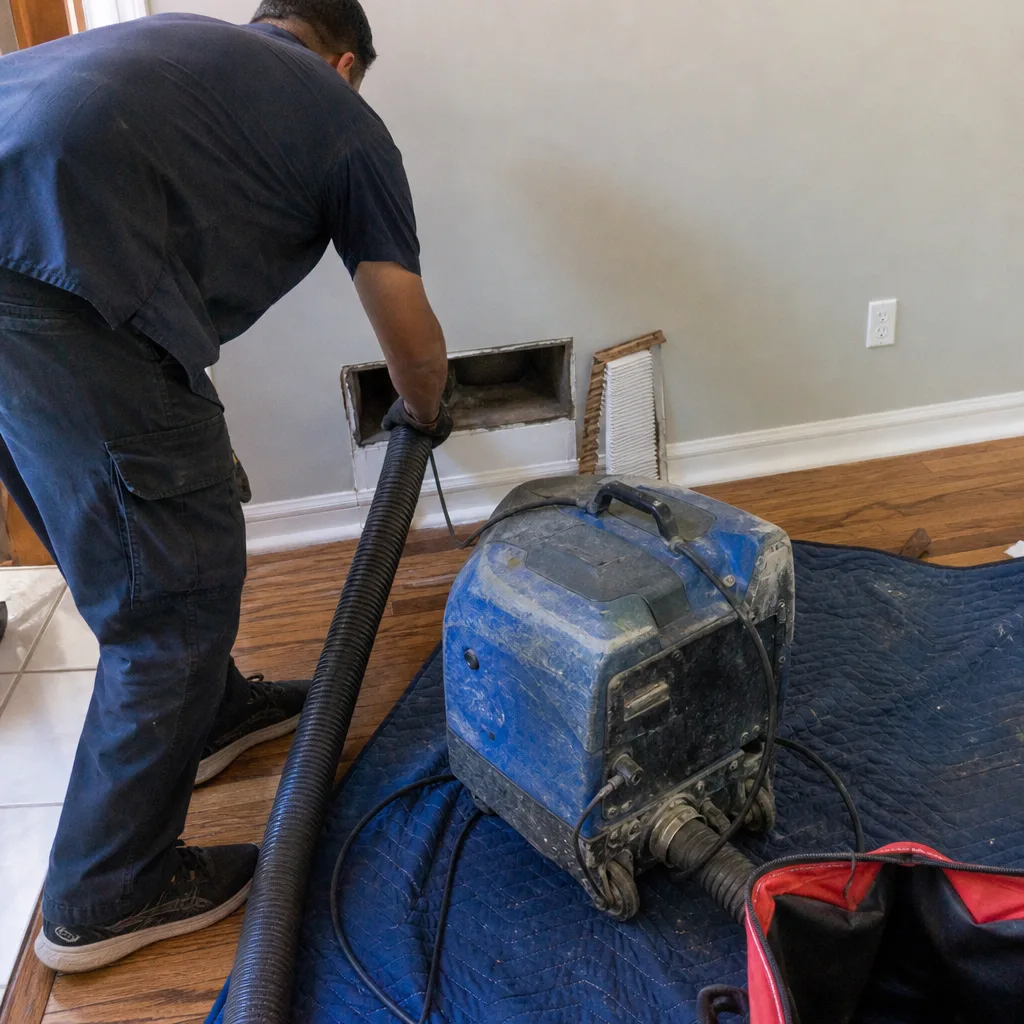 Before
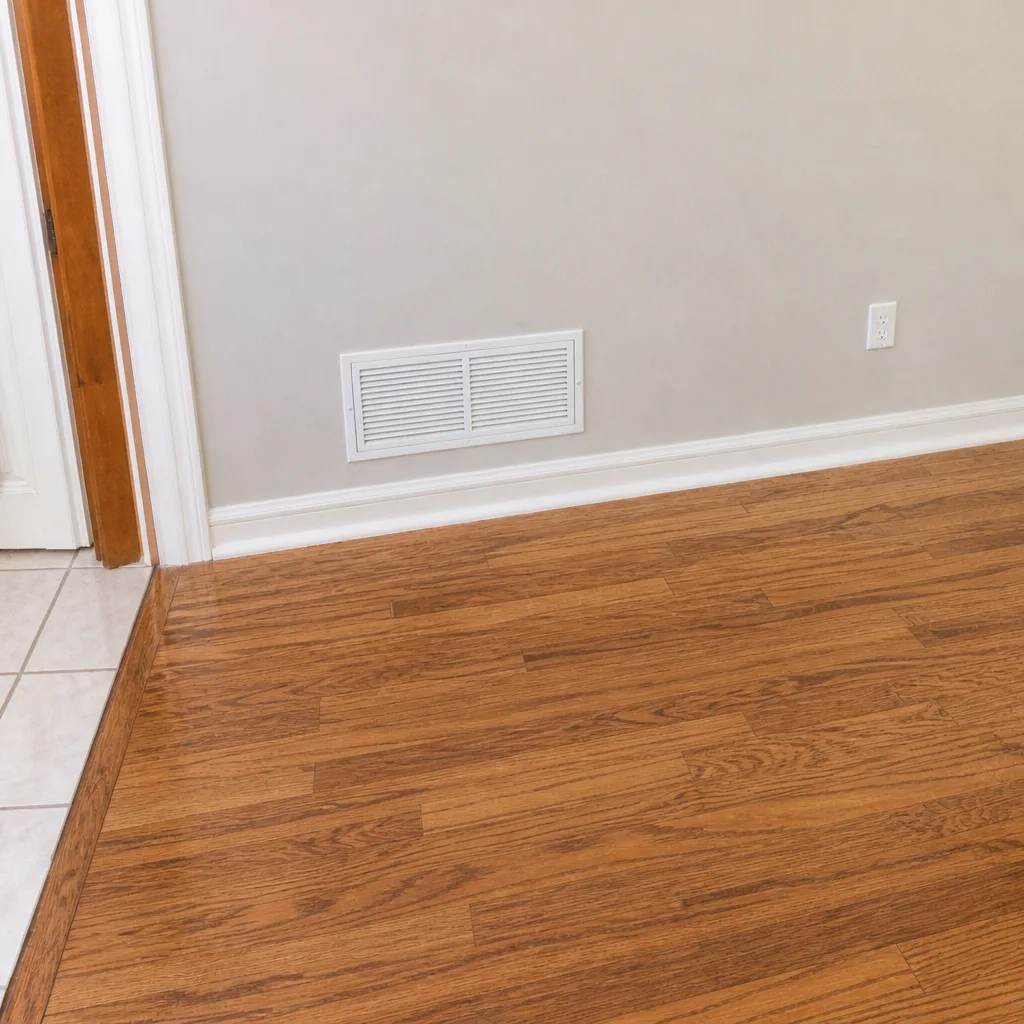 After
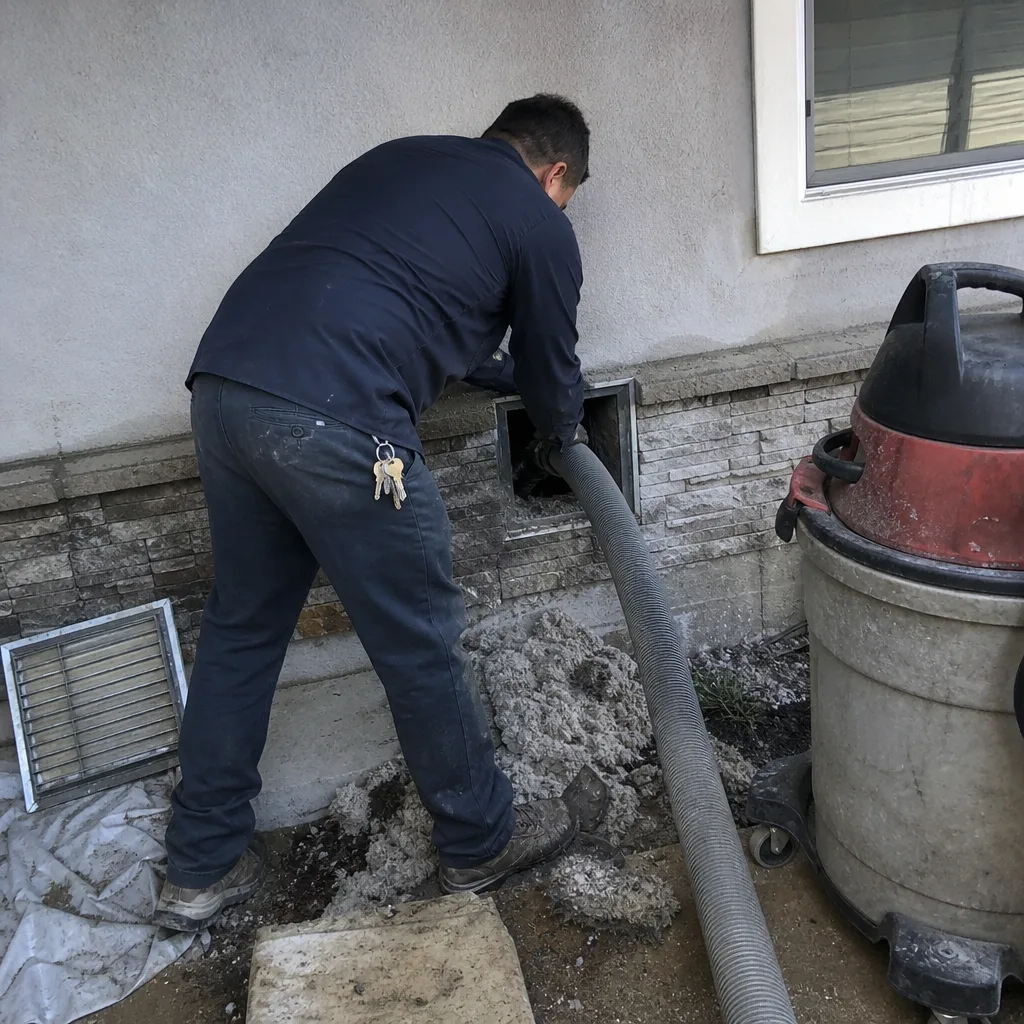 Before
 After
 Before
 After
When to Call a Professional
Call a professional when you’ve run the tissue test and found a weak register that also shows no leak at the boot seam – that pattern usually means a restriction or a disconnection you can’t safely resolve from the attic hatch. Call when a musty smell returns within a few weeks of any cleaning, when you see visible growth at a register, when a filter clogs again in two weeks, or when your attic inspection turns up a visible gap. Dust odor that’s mild and building slowly can wait for a scheduled visit; mold odor with asthma or allergy symptoms in the house should not.
Lake Forest Air Duct Cleaning Pros offers free estimates in Lake Forest – call (833) 468-5640. We answer 24/7. Fast dispatch from 7am to 7pm. The estimate is free and the price is set per job by the written estimate, one flat price for the whole system, so you know the number before any work begins.
Frequently Asked Questions
Use the tissue test: a tissue that flutters at the register but gets sucked against the boot seam means the ducts are leaking, while a tissue that barely moves at the register with no pull at the seam means the ducts are restricted or dirty. A strong pull at the register with no pull at the seam is normal airflow – the debris problem is upstream or on the return side. Call (833) 468-5640 for an exact quote – estimates are free.
The musty smell returns after air duct cleaning because the ducts weren’t the source – the evaporator coil or the condensate drain pan was holding moisture and feeding microbial growth. A ducts-only cleaning removes the smell from the duct walls but leaves the wet coil and pan in place, so the odor comes back within weeks. The fix is HVAC cleaning that reaches the coil face and pan surface, plus sanitizing treatment at the source. Call (833) 468-5640 for an exact quote – estimates are free.
Air duct cleaning in Lake Forest is priced per system, not per vent, so the number depends on your system’s size, the number of runs, and whether the job uncovers leaks or a moisture problem that needs repair and sealing. The honest approach is one flat price agreed in writing before work starts, so the invoice matches the quote. Call (833) 468-5640 for an exact quote – estimates are free.
Cheap quotes are usually a per-vent teaser price that grows once the technician is on site, or they cover only a surface pass on the supply ducts and skip the return side, the blower wheel, and the coil. A thorough job uses professional equipment that captures dislodged debris rather than recirculating it, and it comes with a written price for the whole system. Call (833) 468-5640 for an exact quote – estimates are free.
You should receive before-and-after photos of your own ducts, taken during the visit, showing what was removed and what the duct walls look like afterward. Ask for the photos before the work starts so there’s no question of what was promised, and ask whether the quote covers the return side and the coil. Call (833) 468-5640 for an exact quote – estimates are free.
Most homes don’t need duct cleaning on a fixed schedule – the right interval depends on the house, not the calendar. Homes with pets, recent renovations, allergy concerns, or older ductwork tend to need it more often; a home with clean returns, a well-fitting filter, and no symptoms can go much longer. Watch the symptoms: a filter that clogs in two weeks, a dust odor at startup, or a musty smell that returns are the real indicators. Call (833) 468-5640 for an exact quote – estimates are free.
Yes. A separated joint or a flex duct that’s pulled off its collar is a duct repair and sealing job, and it can be handled during the cleaning visit so the system doesn’t get cleaned and then immediately re-leak. That’s why we keep repair and sealing in the service scope rather than sending you to a second contractor. Call (833) 468-5640 for an exact quote – estimates are free.
The Bottom Line
Most air duct problems in Lake Forest start as a duct-system failure, not an HVAC failure, and your house is already telling you which one it is. A tissue at the register separates dirty from leaky. A temperature gap room to room separates restriction from disconnection. A musty smell that comes back after cleaning points past the ducts to the coil and drain pan. Photograph the attic joints; if they’re separated, that’s a sealing job, not a cleaning job. Learn to tell dust odor from mold odor and you’ll know what can wait and what shouldn’t. When the symptom pattern is clear, Lake Forest Air Duct Cleaning Pros can handle the whole pathway from the HVAC unit to every register – cleaning, repair, sealing, and sanitizing under one roof.
Call (833) 468-5640 for a free estimate. We answer 24/7. Fast dispatch from 7am to 7pm. One flat price per system, agreed before work starts, and before-and-after photos of your own ducts when the job is done.
Written by the team at Lake Forest Air Duct Cleaning Pros.