
Last updated November 25, 2026
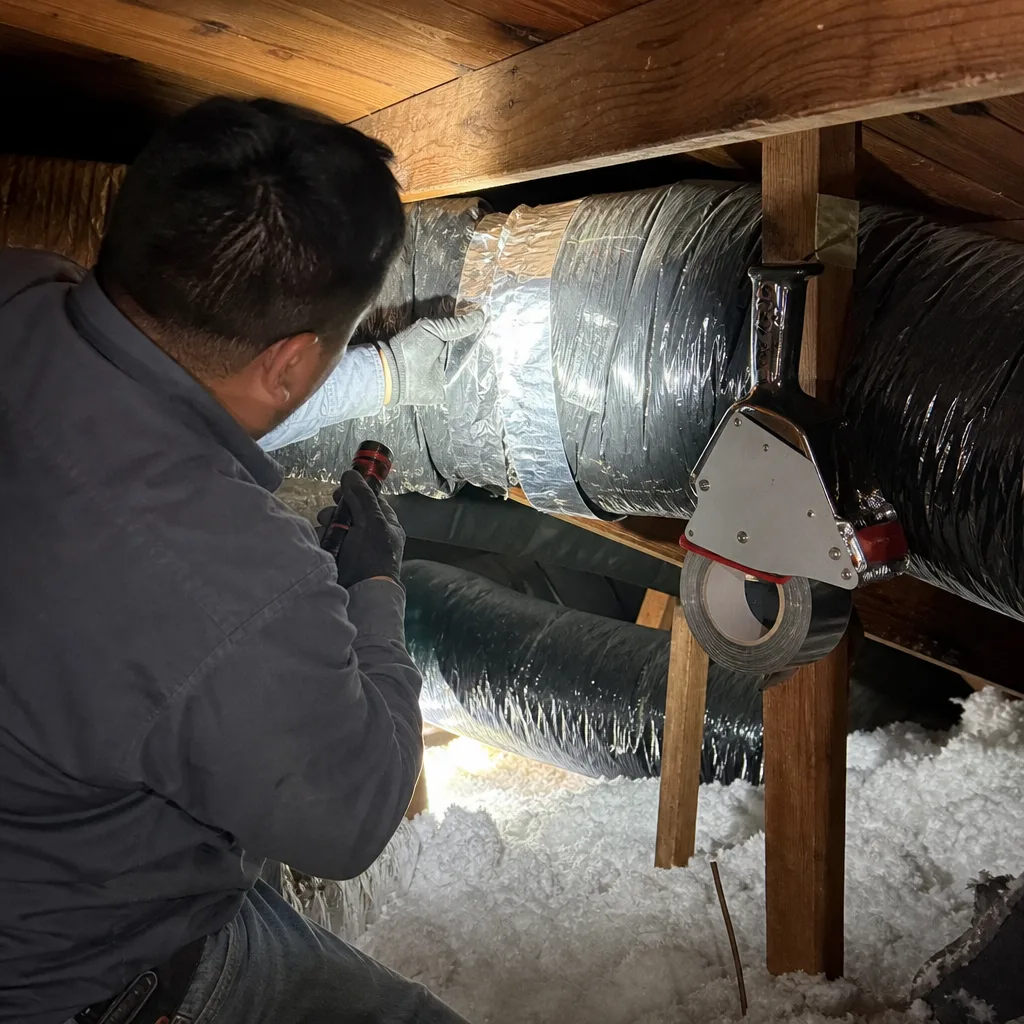
 Whole-home duct cleaning
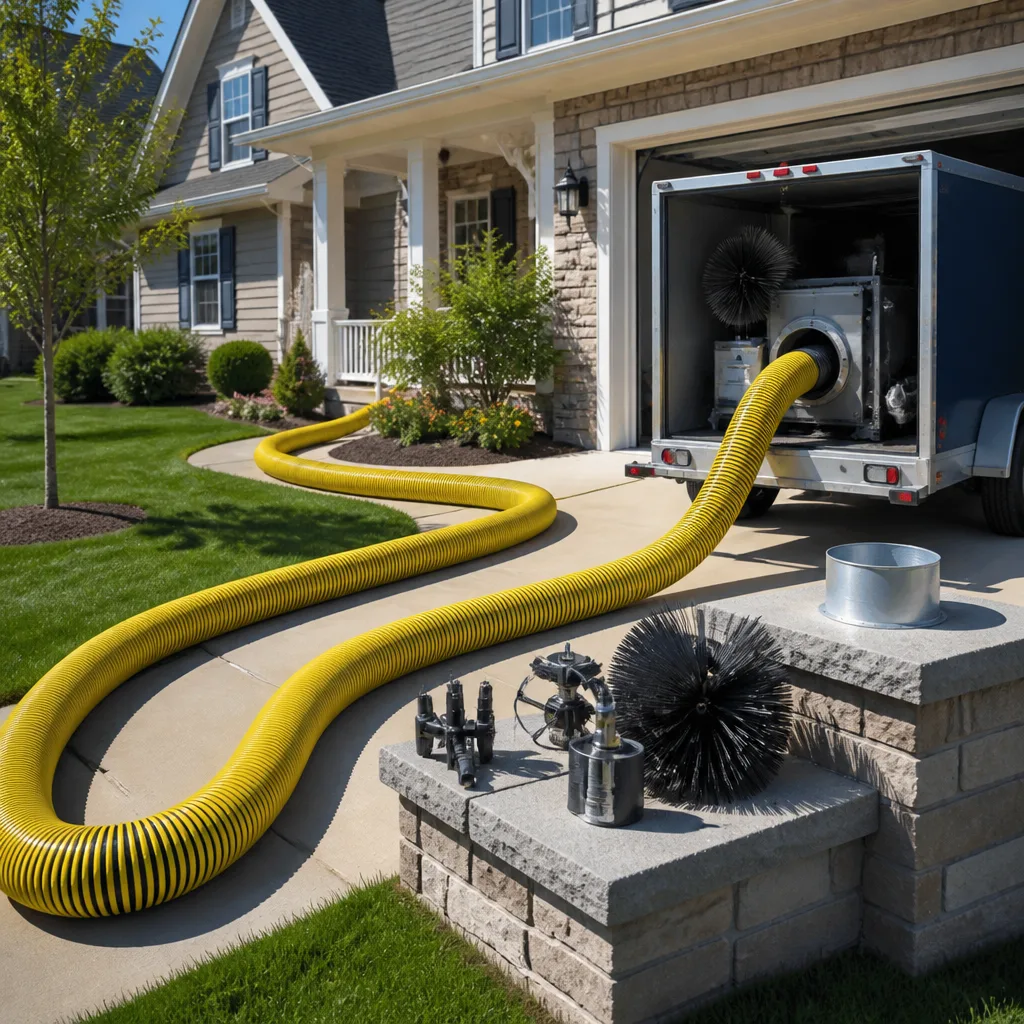
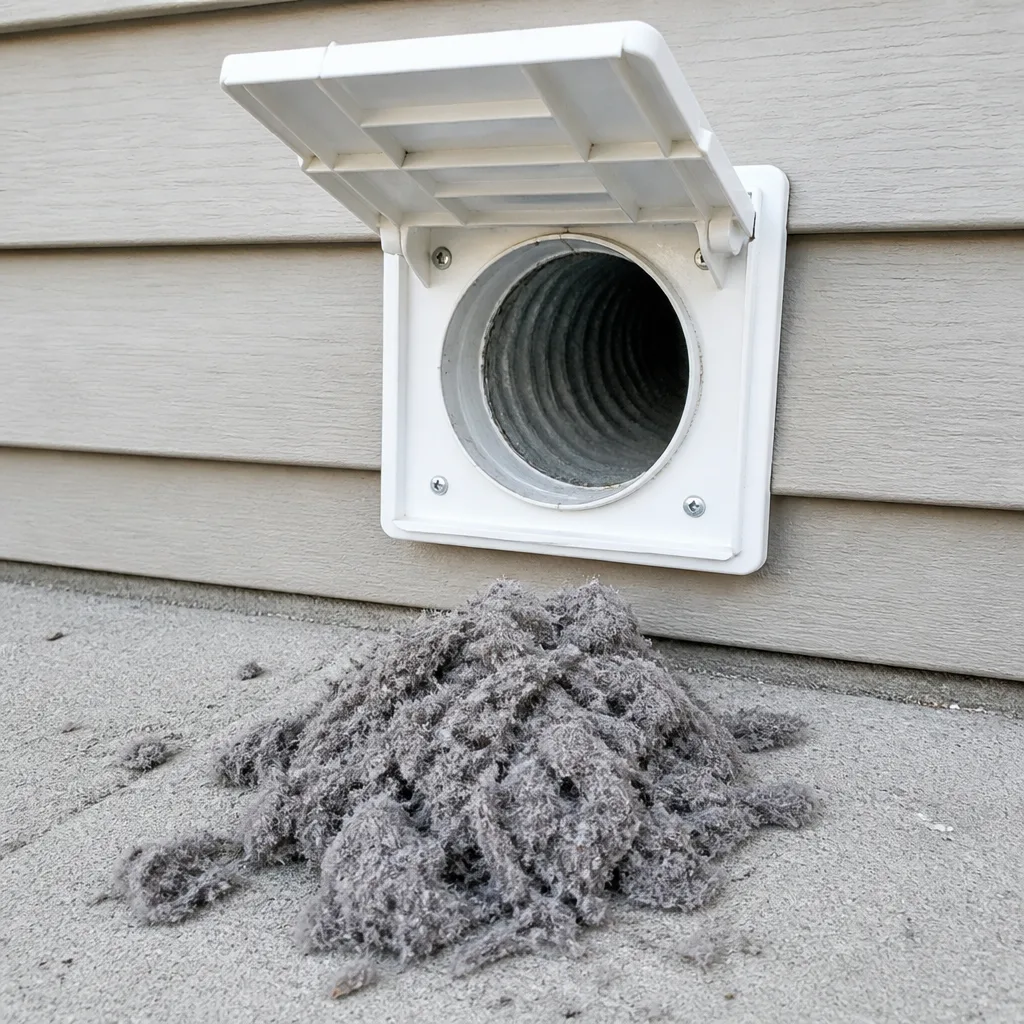 Dryer vent cleaning
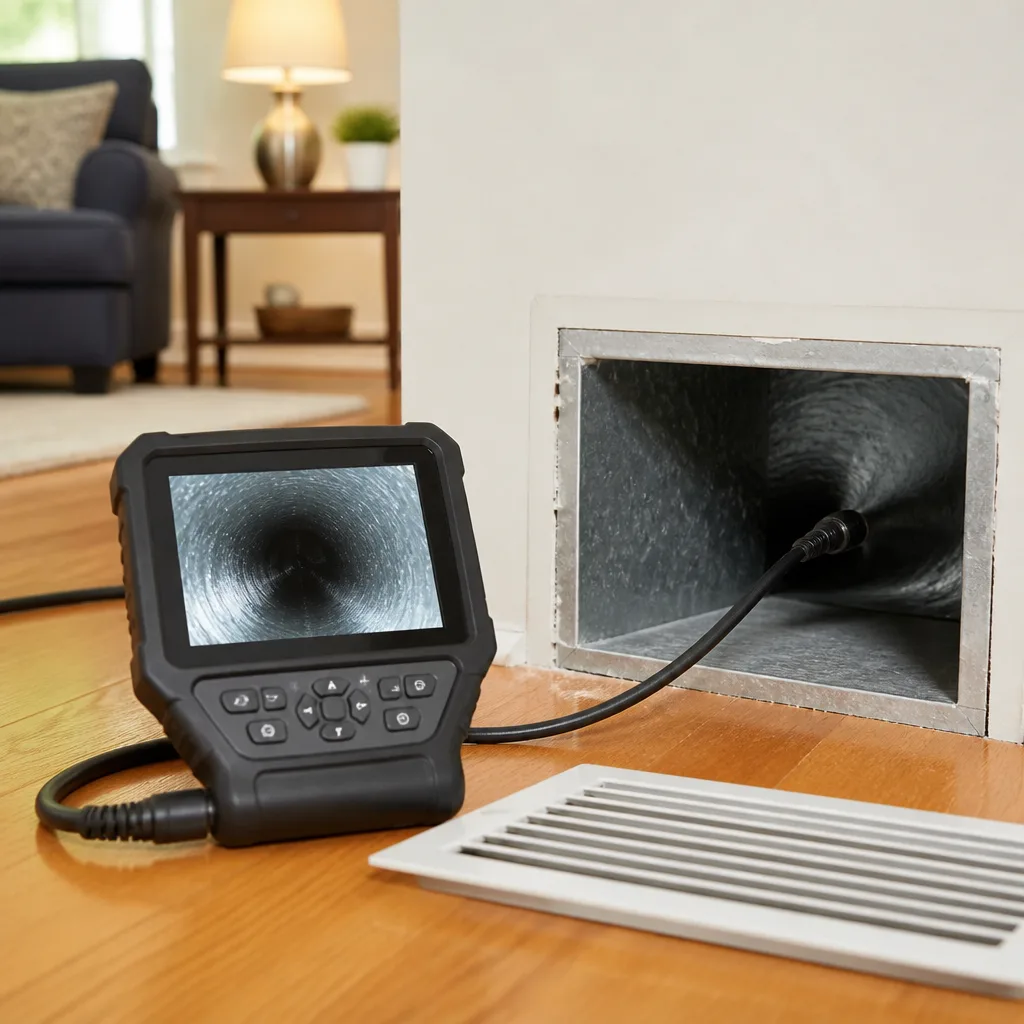 Camera inspection
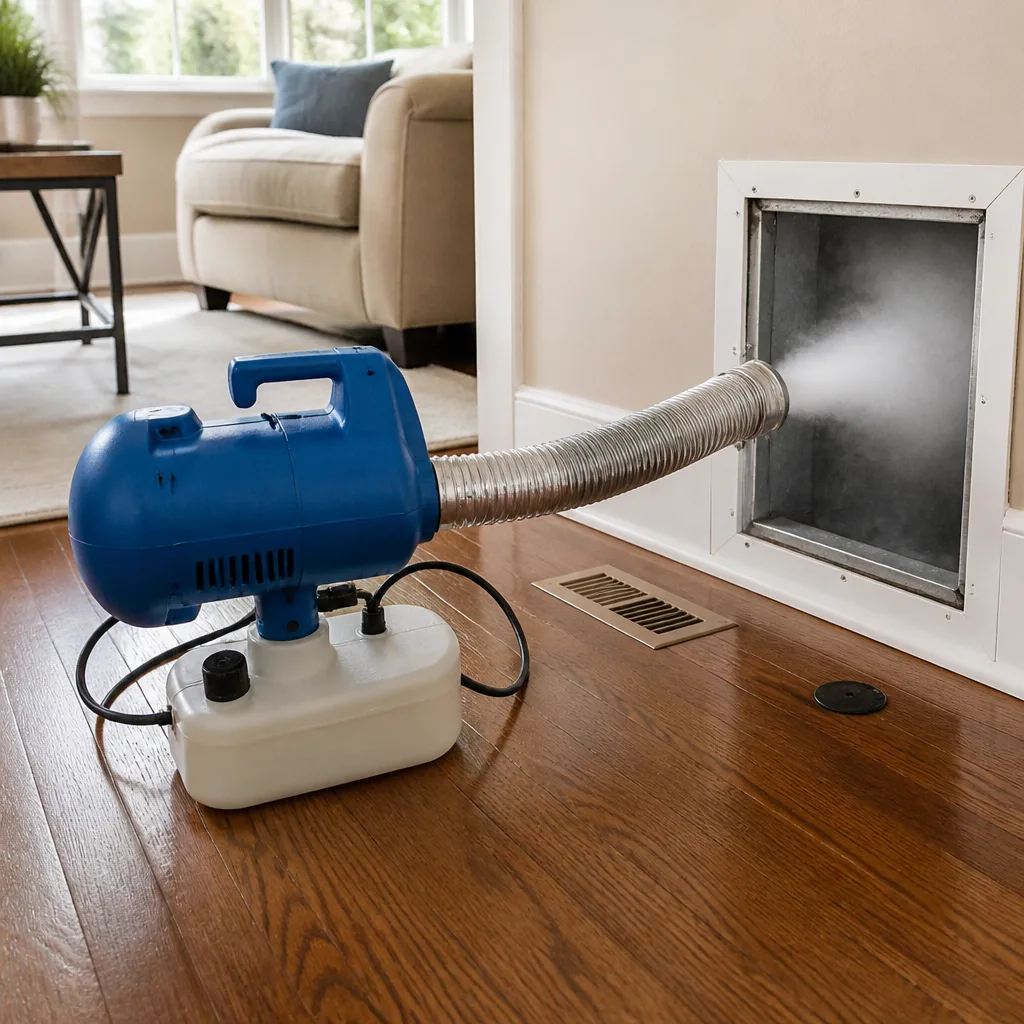 Sanitizing & deodorizing
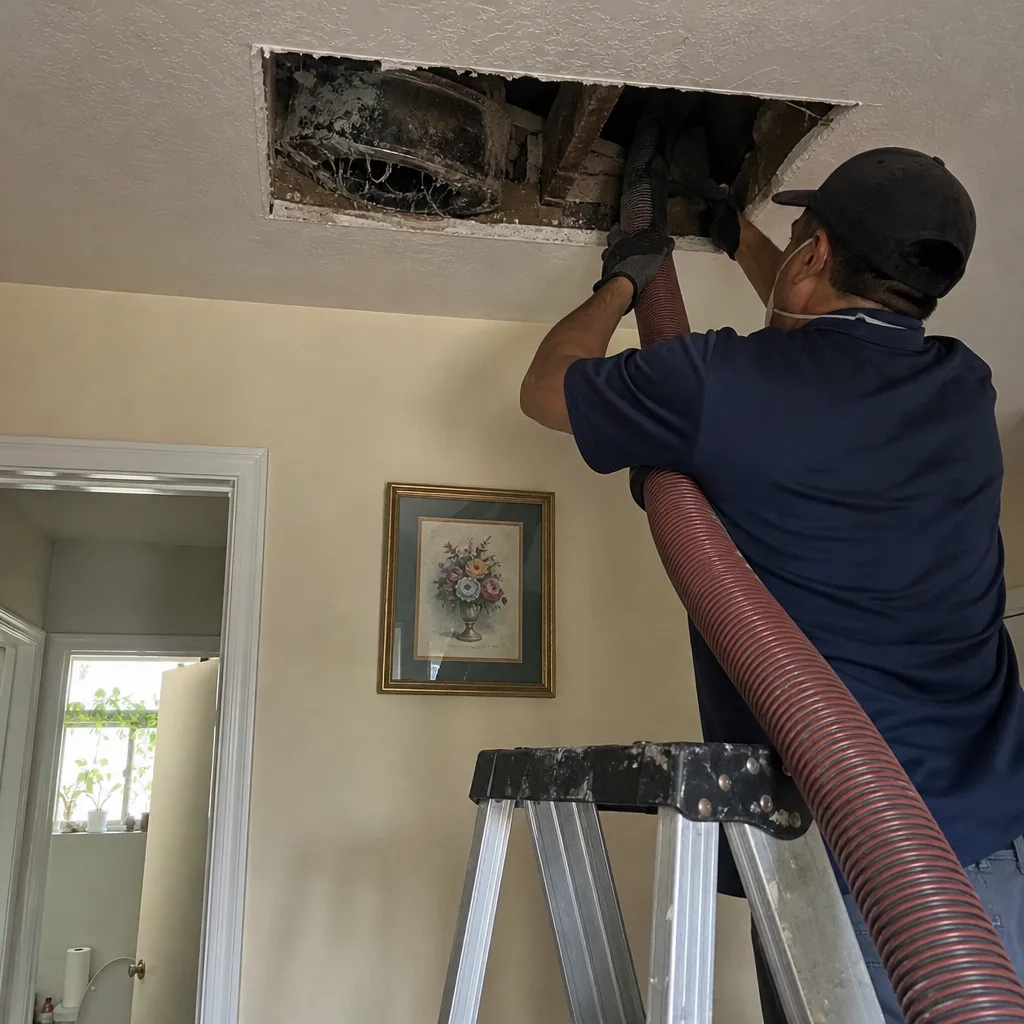
Whole-system duct and dryer vent check with before-and-after photos - you see exactly what came out of your vents
That "$99 whole-house special" is a bait ad - the real number appears once they are in your hallway, or the "clean" is a shop-vac at the register. We photograph the inside of your ducts before and after instead.
Air Duct Cleaning Maintenance Checklist for Lake Forest Homeowners
Most homeowners don’t discover a duct problem until the HVAC bill spikes or someone in the house starts coughing. Both are late-stage signals, and both are the kind of thing a simple monthly walk-through would have caught months earlier. Ductwork is quiet by design. It doesn’t rattle when a seam opens, doesn’t glow when dust builds up on a register, and doesn’t send a notification when microbial growth takes hold at a supply boot. What it does do is leave clues, constantly, in plain sight. This guide turns those clues into a working monitoring system for Lake Forest homeowners: what to check monthly, what to log seasonally, and the exact point where a finding stops being a weekend project and becomes a call to a professional.
Quick Answer
A workable air duct maintenance checklist for a Lake Forest home has three layers: monthly no-tool checks at every register (dust patterns, airflow feel, odors, visible moisture), seasonal filter changes timed to wildfire smoke and Santa Ana wind events, and a room-by-room airflow log that gives you a baseline to compare against. Professional deep cleaning is typically scheduled every three to five years for a typical household, sooner after a renovation or a move-in, and immediately whenever you find mold, pest evidence, or a disconnected duct section.
Styles & brands we work with
- Whole-home duct cleaning
- Dryer vent cleaning
- Camera inspection
- Sanitizing & deodorizing
Table of Contents
- The Monthly Walk-Through: Five Checks You Can Do Without Tools
- Seasonal Filter Changes Calibrated to Lake Forest Air
- Building a Room-by-Room Airflow Log
- What to Inspect After Every HVAC Service Call
- When a Finding Warrants a Call Versus a DIY Fix
- The Professional Service Timeline for Lake Forest Homes
- What a Complete Duct Cleaning Should Actually Include
- Common Mistakes to Avoid
The Monthly Walk-Through: Five Checks You Can Do Without Tools
A monthly duct check takes about ten minutes and requires nothing but your eyes, nose, and a hand held near a register. The point isn’t to diagnose anything. It’s to notice change. A duct system that’s performing the same way it did last month is telling you something. So is one that has quietly shifted. Here’s the sequence we suggest to homeowners across Lake Forest.
- Look at the register face, not the room. Run a finger along the inside of the louver. A thin, even film is normal household dust. A thick mat, a gray-black smudge pattern radiating from the grille, or dust that puffs off when you tap the frame is a signal worth logging.
- Hold your hand about a foot in front of the supply. You should feel steady, even pressure. A supply that used to push hard and now feels weak, or one that flutters inconsistently, is a candidate for a leak, a blockage, or a damper that’s moved.
- Smell the airflow. Clean ducts carry a neutral, faintly metallic smell. Musty, earthy, or sour odors coming out of a supply register point to moisture or microbial growth somewhere upstream, and masking them with a plug-in air freshener only hides the evidence.
- Check for moisture at the boot. The boot is the metal or plastic fitting where the duct meets the floor, wall, or ceiling. Run a dry paper towel around the seam. Any dampness, staining, or soft drywall is a stop-what-you’re-doing finding and belongs in the “call a professional” column.
- Look inside the return grille. Shine a phone flashlight into the largest return. You’ll see the duct interior for the first few inches. Light, even dusting is normal. Visible debris, insect casings, or anything furry is a firm signal to schedule service.
Write each month’s observations on a single sheet of paper taped inside a utility closet door. A single month tells you almost nothing. Six months of notes tells you everything. That log is what separates a homeowner who catches a small problem early from one who catches a large one late.
Seasonal Filter Changes Calibrated to Lake Forest Air
Filter changes are the most over-simplified piece of duct maintenance. The standard advice – “every three months” – was written for a generic climate and a generic house. Lake Forest doesn’t run a generic climate. The two forces that matter here are wildfire smoke season and the Santa Ana winds, and they don’t arrive on a calendar you can set once and forget.
Wildfire smoke doesn’t respect your filter’s rated interval. When regional fires push smoke into the basin, your filter loads up in days, not weeks, because it’s capturing fine particulate that a normal household load never produces. Santa Ana wind events do something different: they drive dry, dust-laden air through gaps and intake paths, and they arrive fast and without much warning. After a sustained Santa Ana event, or any stretch where you can smell smoke indoors, pull your filter and look at it. A filter that was clean two weeks ago can be visibly gray.
Here’s a workable seasonal schedule for a Lake Forest home:
- Spring (typically March-May): change the filter at the start of cooling season, before the system starts running daily. Note the date on the filter frame with a marker.
- Summer: check monthly during heavy AC use. Replace as soon as the face is uniformly gray rather than patchy.
- Fall (typically September-November): change at the start of heating season and again after the first significant Santa Ana wind event of the year.
- Winter: check monthly. Mild winters here mean the system still runs, just less.
- After any smoke event: inspect within 48 hours regardless of season, and replace if the filter shows loading.
If your home uses a media cabinet or a whole-house filtration setup built around Honeywell or Aprilaire components, the intervals are different from a standard 1-inch slot filter and worth reading off the housing label. Our technicians work with both brands and can tell you what your specific housing expects. Getting the interval right matters more than getting the filter brand right.
Building a Room-by-Room Airflow Log
This is the step almost nobody does, and it’s the one that turns a checklist into an early-warning system. The idea is simple: establish a baseline for how each room feels, then compare against it. Duct leaks and blockages develop gradually, and gradual change is invisible unless you have a reference point.
You don’t need an anemometer or a professional tool. A strip of tissue taped loosely to a register louver works as a simple flow indicator – the angle it lifts tells you roughly how hard the supply is pushing. For something more consistent, hold a hand at the same distance from each register and note the pressure on a 1-to-5 scale. “Master bedroom supply: 4. Guest room supply: 3. Home office supply: 2 and inconsistent.” That’s a usable log.
Walk the house once and record every supply and return on a simple sketch. Label each one with a number and a room name. Then, once a month, do the same walk and compare. The value shows up in the pattern:
- One room drops while others hold steady: a likely blockage, a damper that’s drifted, or a branch duct that’s come loose from its takeoff.
- Several rooms on one side of the house drop together: a trunk-line leak or a central obstruction.
- Every room drops gradually: often a filter issue, a blower that needs attention, or a coil that’s loading up. That one goes to your HVAC technician, not a duct cleaner.
- One room gets stronger while another weakens: a damper has moved, or a section of duct has partially collapsed and is redirecting air.
Lake Forest homes built across different decades have different duct layouts – some run through the attic, some through soffits, some under slab – so the specific rooms that share a trunk vary house to house. Your own log is more accurate than any general rule. When a pattern repeats for two consecutive months, that’s the point to schedule air duct cleaning and a duct inspection together.
What to Inspect After Every HVAC Service Call
This one catches people off guard. When a technician services your HVAC system – replacing a blower, cleaning a coil, changing out a capacitor, doing a tune-up – the work disturbs the inside of the air handler, and disturbed dust travels. Some technicians are careful about containment. Some aren’t. Either way, the ducts downstream of the air handler take on a fresh load, and the homeowner is the one who has to notice.
Within 24 to 48 hours of any HVAC service, walk the registers and check these four things:
- Look for fresh dust release at the closest supplies. Registers nearest the air handler will show it first. A light even film that wasn’t there before the service is the tell.
- Sniff the airflow. A dusty, dry-paper smell coming out of a supply right after a service call is residual disturbance, not a new problem.
- Check the filter date. Confirm the technician actually replaced or reset the filter correctly. A filter knocked out of its track during service lets unfiltered air straight past it, and you won’t know unless you look.
- Re-check your airflow log. If a room that was at a 3 is now at a 2 after a service call, the disturbance is worth mentioning to the HVAC company and worth noting in your log for the next monthly walk.
None of this means the HVAC work was done badly. Disturbance is a normal byproduct of working inside an air handler. But it’s the homeowner who has to clean up after it, and the checklist is how you know when. If your ducts were already due for cleaning and then a service call dumps a fresh load of dust into them, that’s the moment to move the cleaning up the calendar.
When a Finding Warrants a Call Versus a DIY Fix
Not every finding needs a phone call. Most don’t. The useful skill is telling the two categories apart, because over-calling wastes your money and under-calling lets a small issue become an expensive one.
Handle it yourself:
- A light, even film of dust inside a register face. Wipe it with a damp cloth.
- A register louver that’s visibly loose. Tighten the screws.
- A filter that’s simply due. Replace it, log the date, move on.
- A furniture or rug change that shifted airflow in one room. Adjust the register vanes.
- Dust on the outside of your return grille. Clean it as part of normal housekeeping.
Call a professional:
- Visible mold anywhere inside a duct, at a supply boot, or on the inside face of a return grille. Mold inside ductwork is a moisture problem, and cleaning without fixing the moisture source just delays its return.
- Any dampness, staining, or soft drywall at a boot or seam. That’s a moisture signal and needs to be traced, not wiped.
- Insect casings, rodent droppings, or nesting material visible inside a return or supply.
- A duct section you can see or feel that’s torn, disconnected, crushed, or separated at a joint. Repairing and sealing ductwork is its own trade, and it’s the step most cleaning-only companies skip.
- A persistent musty or sour odor that returns after cleaning the register face.
- Airflow that’s dropped in two or more rooms and stayed down for two consecutive monthly checks.
One more caution worth naming here: never reach into a duct with a tool, a vacuum attachment, or a hand to investigate a finding yourself. Duct interiors are often lined with insulation or flex material that tears easily, and a damaged liner is worse than the dust you were trying to remove. The right move is to look, log, and call. The right technician will inspect with the equipment to do it properly without tearing anything.
The Professional Service Timeline for Lake Forest Homes
How often does duct cleaning actually need to happen? For a typical Lake Forest household with no unusual circumstances, every three to five years is a reasonable baseline. That’s a rough range, not a rule, and it shifts up for several specific situations that come up often in this area.
Schedule cleaning sooner if any of these apply:
- You just moved in. You don’t know what the previous occupants did, what they kept, or when the ducts were last cleaned. A baseline cleaning at move-in gives you a clean starting point and a professional set of eyes on the whole system.
- You just finished a renovation. Drywall dust, sawdust, and construction debris travel through a running system. Cleaning after the work is done, not before, is the right order.
- You’ve had an HVAC service that disturbed the air handler. Fresh dust downstream of the unit is worth cleaning out rather than letting settle.
- You’ve had a smoke or Santa Ana event with visible indoor dust. The filter catches a lot; the ducts catch the rest.
- Someone in the household has allergies or asthma. A cleaner system reduces the airborne load your filter has to keep up with. It’s not a medical treatment, and no honest company should frame it that way, but clean ducts make a filter’s job easier.
- You’ve noticed a persistent odor or a visible moisture finding. Address these as they appear, not on the calendar.
Alongside duct cleaning, add two items to the annual calendar: dryer vent cleaning once a year and HVAC cleaning on the same interval your HVAC technician recommends. The dryer vent is easy to forget because it has nothing to do with indoor air quality if the vent runs cleanly, but a clogged vent is a fire risk and a routine part of the full air pathway. Keeping all three on the same calendar keeps the whole system – unit, ducts, vents – on one schedule instead of three.
What a Complete Duct Cleaning Should Actually Include
If you’re going to the trouble of having the work done, it’s worth knowing what a real job looks like so you can recognize a partial one. Here’s the standard a thorough cleaning should hit. Bring this list to any estimate – including ours.
- Every register is opened and every branch is cleaned, not just the visible runs. A cleaning that skips a room isn’t a cleaning.
- Mechanical agitation, not just vacuum. Our Lake Forest Air Duct Cleaning Pros use Rotobrush and Nikro rotary-brush extraction systems to scrub the duct walls, not just pull loose debris.
- Containment during the job. Dislodged debris has to go somewhere. We deploy Abatement Technologies air filtration on-site so the material you were worried about gets captured instead of recirculated into your living room.
- The air handler and coil are part of the scope. Cleaning ducts while leaving a loaded air handler untouched just recontaminates everything.
- Duct repair and sealing is offered, not referred out. Cleaning often reveals torn, crushed, or disconnected sections. If the company can only clean, you end up calling a second contractor.
- Sanitizing is offered where findings warrant it. Microbial growth at a supply boot and a musty odor at the register are the two situations where a sanitizing treatment goes after the source rather than covering it.
- You see before-and-after photos of your own ducts. Not a stock photo. Yours. This is the single most direct way to confirm the work was done.
- The final price matches the written estimate. One flat price per system, agreed before work starts.
Our technicians have up to 10 years of experience, and we work with systems and products from Honeywell, Aprilaire, and Guardsman, so we can speak to your filtration setup and system compatibility without guessing. That matters most at the edges of the job: the register boot where a filter housing meets the duct, the return plenum, the transition at the air handler. Those are also the spots where small problems hide.
Common Mistakes to Avoid
- Checking the register face only, not the boot. Most moisture problems show up at the boot or the seam before they show up at the louver. If you never look at the boot, you never see the signal.
- Running a fixed quarterly filter schedule and ignoring smoke events. In Lake Forest, wildfire smoke and Santa Ana winds break the interval. Check and replace based on what the filter shows, not just the date on the frame.
- Skipping the post-HVAC-service walk-through. Service calls disturb the air handler. If you don’t check 24 to 48 hours later, the fresh dust has already settled in.
- Attempting to clean a duct interior with a shop vac or a hand tool. Consumer vacuums don’t have the reach or lift to clean a duct run, and a wrong tool damages the liner. This is a job for professional equipment.
- Calling a duct cleaner when the real problem is the HVAC system. If every room drops evenly, or the blower is short-cycling, the issue is the unit, not the ducts. Start with an HVAC technician, then clean the ducts.
- Booking on coupon price alone without asking what’s in scope. A quote that only covers a few registers isn’t a complete cleaning. Ask exactly which rooms and which components are included before you book.
- Wiping mold at a register and calling it handled. If there’s mold at the supply boot, there’s moisture upstream. Clean the visible growth and ignore the moisture, and it comes back.
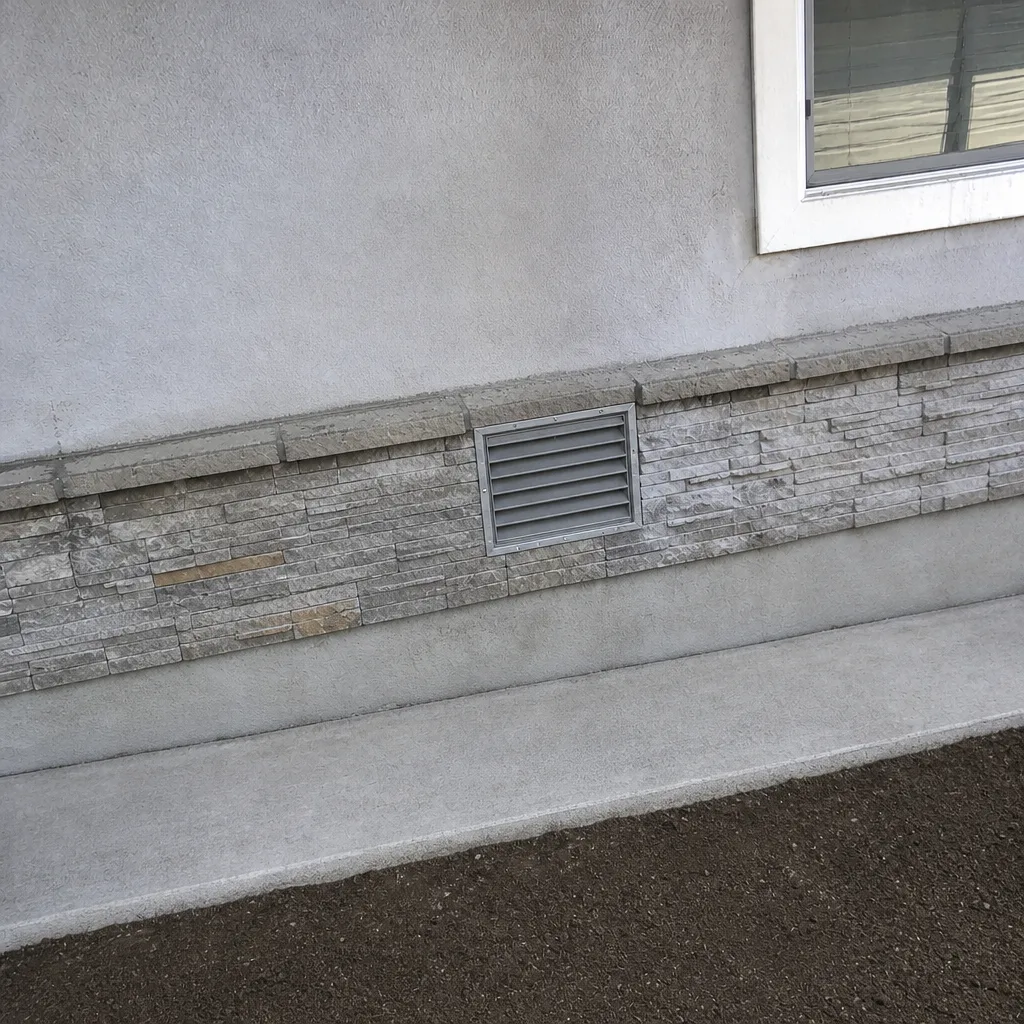
See the difference
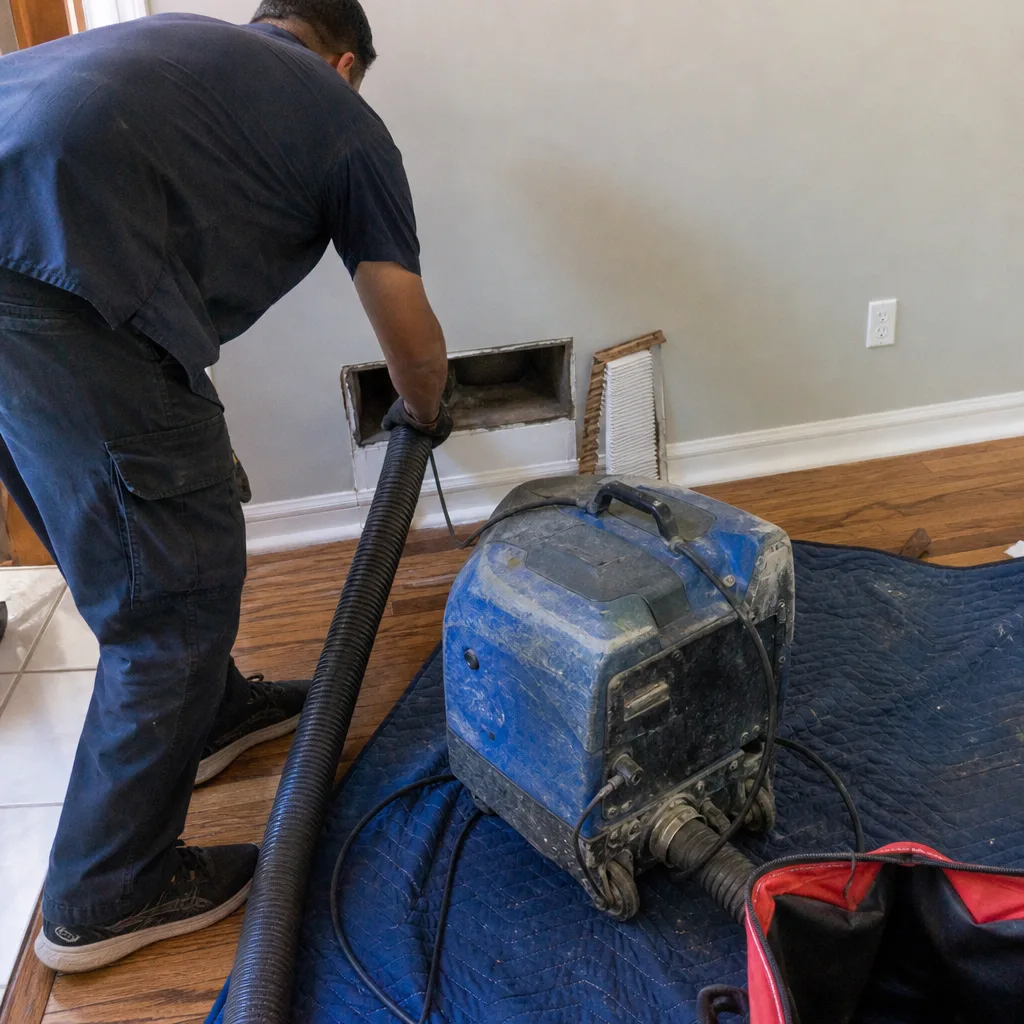 Before
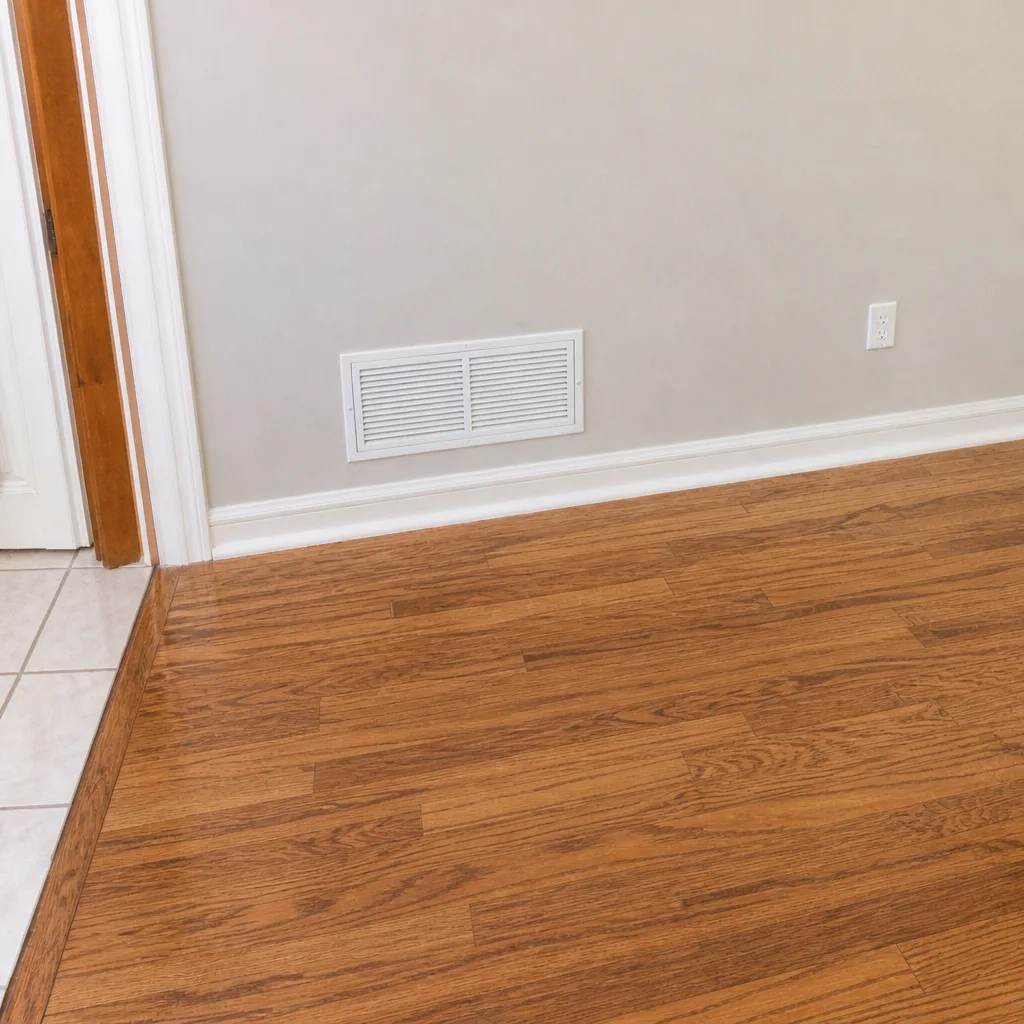 After
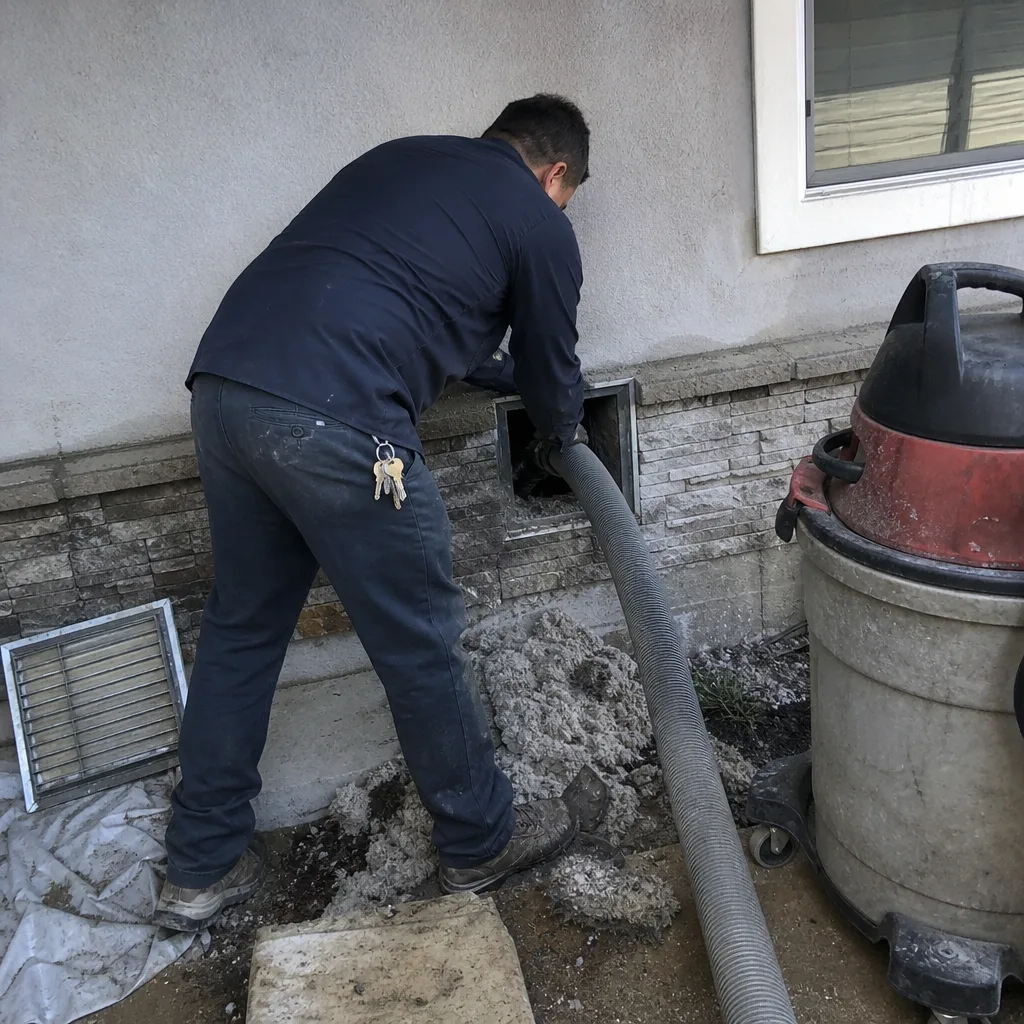 Before
 After
 Before
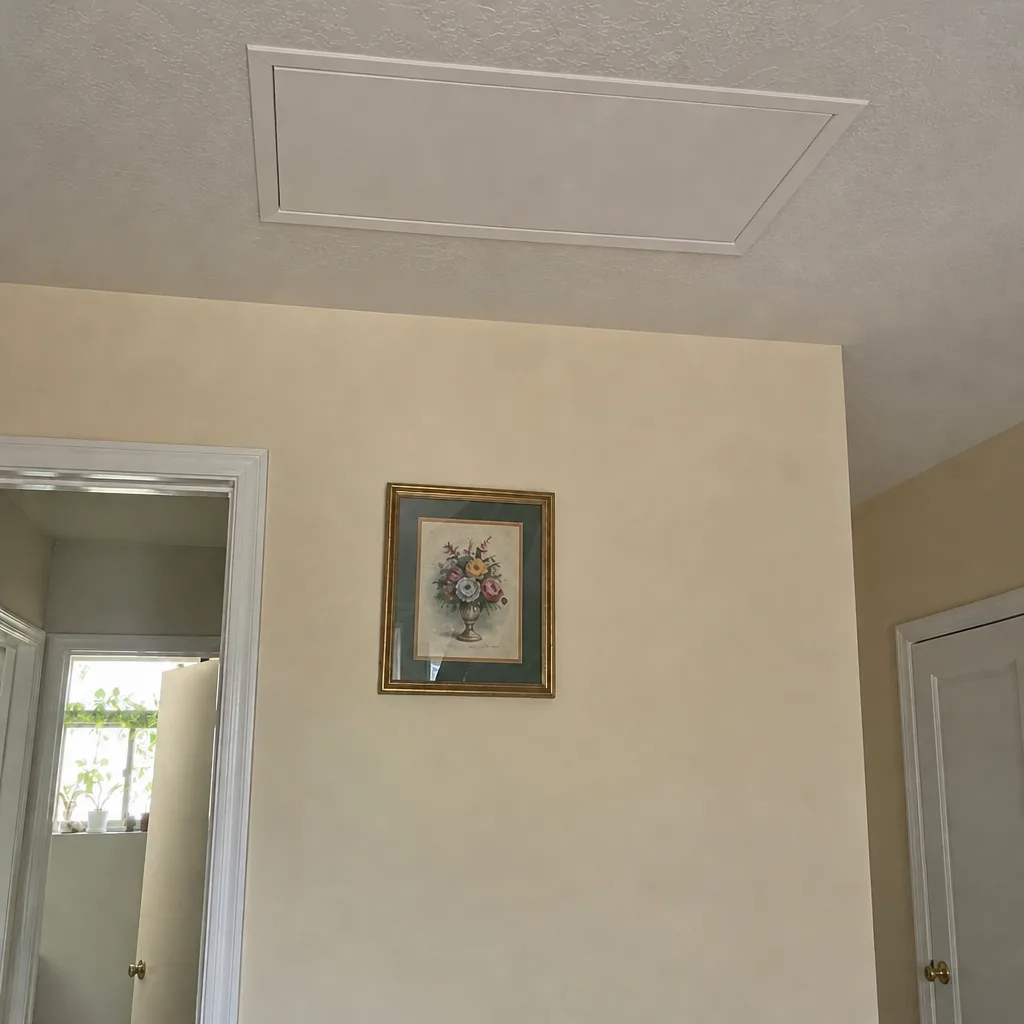 After
When to Call a Professional
Call for mold, moisture, or pest evidence, a torn or disconnected duct section, or an airflow drop in two or more rooms that persists across two consecutive monthly checks. Call after any renovation, any move-in, and any smoke event heavy enough to leave visible indoor dust. Call if a musty odor returns after you’ve cleaned the register faces. And call if your ducts simply haven’t been professionally cleaned in several years and you don’t know the last time they were. Lake Forest Air Duct Cleaning Pros offers free estimates in Lake Forest – call (833) 468-5640 to book one. We answer 24/7. Fast dispatch from 7am to 7pm, Sunday through Friday. The price is set per job by the written estimate, and the local pro is licensed and insured as their state requires.
Frequently Asked Questions
Every three to five years for a typical household with no unusual conditions. Move-in, a renovation, a smoke event, or an allergy in the home all shift that interval sooner. The professional timeline section above covers each case. If you’re unsure where you land, call (833) 468-5640 for a free estimate – we’ll tell you honestly whether it’s due.
Five things: dust pattern on the register face, airflow pressure a foot in front of the supply, smell of the airflow, moisture at the boot seam, and the interior of the largest return grille. It takes about ten minutes and requires no tools. Log what you find – the log is where the value comes from.
It depends on the size of the system and the number of runs, so any honest number comes from a written estimate after a look at the whole system. What you can control is the shape of the pricing: one flat price per system, agreed before work starts, not a per-vent rate and not a coupon that changes once a technician arrives. We give free estimates. Call (833) 468-5640 for an exact quote.
Because they cover less. A low quote often cleans a few accessible registers and skips the air handler, the returns, and the branch runs behind walls. Book on thoroughness, not on the lowest number – ask exactly which rooms and components are in scope, and whether repair and sealing are offered if the job reveals a problem. Call (833) 468-5640 to compare against a written estimate.
Before-and-after photos of your own ducts, every time. Not stock photos, not general descriptions – your system, your runs, before and after. That’s the most direct proof available, and any company that won’t provide it is telling you something. We provide them on every job. Call (833) 468-5640 for an estimate.
Yes, significantly. Smoke events load a filter in days rather than weeks, and Santa Ana winds drive dry, dusty air into intake paths. Check the filter within 48 hours of any smoke event or sustained wind episode, and replace as soon as it shows visible loading, regardless of how recently you changed it. That’s faster than the standard quarterly rule.
The Bottom Line
Your ductwork is talking to you every month through dust patterns, airflow pressure, smell, and moisture at the boot. The checklist isn’t a reminder to book a cleaning – it’s a way to hear what your ducts are saying between visits. Do the monthly walk-through, keep the airflow log, time your filter changes to Lake Forest’s smoke and wind seasons, and check the system after every HVAC service call. When you find mold, moisture, pest evidence, or a duct section you can feel is damaged, stop checking and call. Everything else, you can handle yourself. Call (833) 468-5640 for a free estimate. We answer 24/7. Fast dispatch from 7am to 7pm, Sunday through Friday. One flat price per system, agreed before work starts, and before-and-after photos of your own ducts when the job is done.
Written by the team at Lake Forest Air Duct Cleaning Pros.