
Last updated November 25, 2026
 Whole-home duct cleaning
 Dryer vent cleaning
 Camera inspection
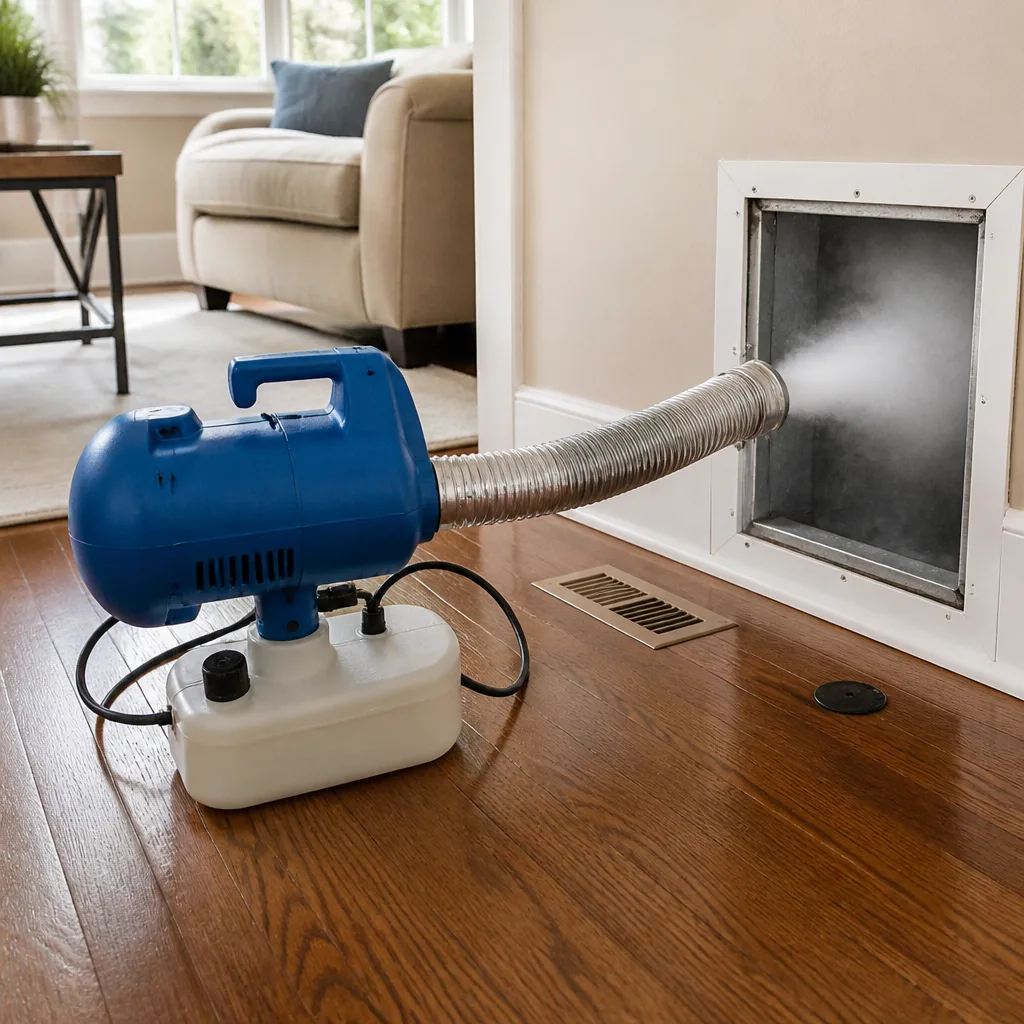 Sanitizing & deodorizing
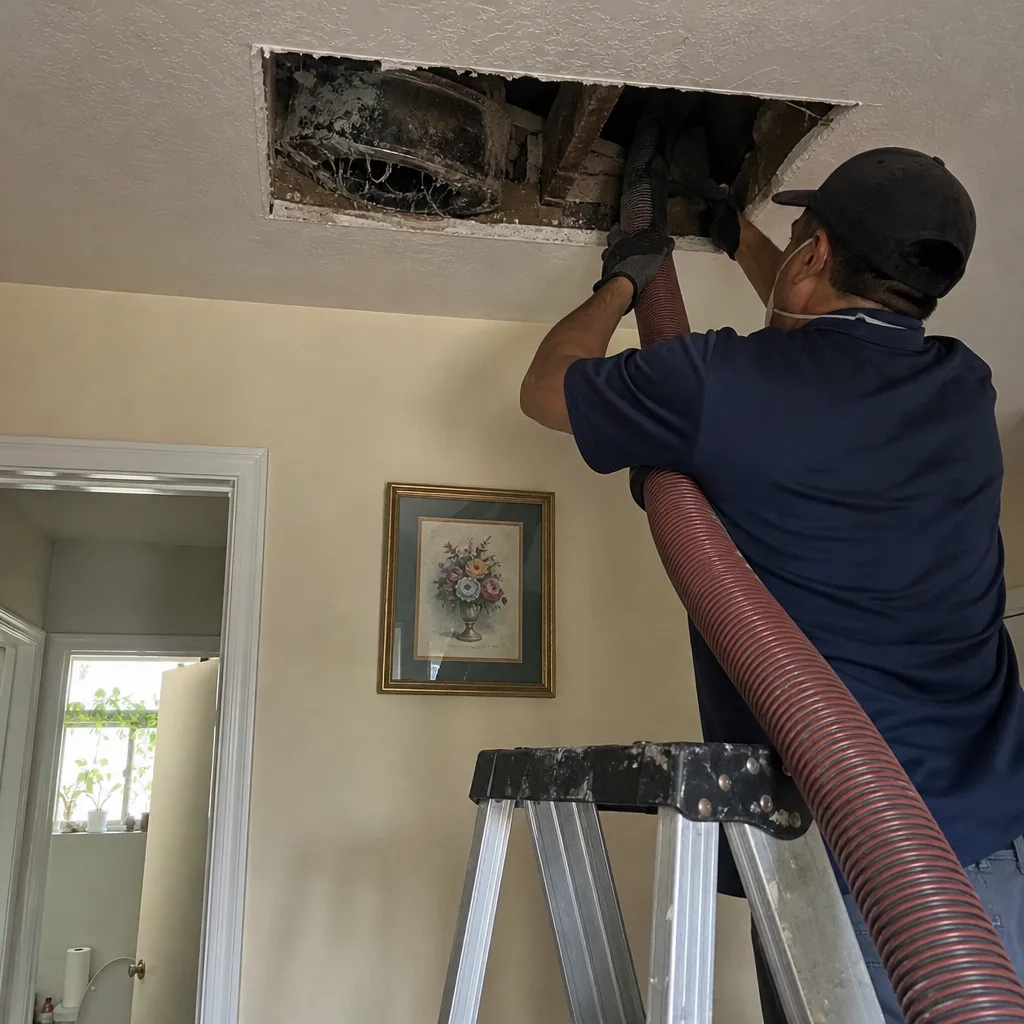
Whole-system duct and dryer vent check with before-and-after photos - you see exactly what came out of your vents
That "$99 whole-house special" is a bait ad - the real number appears once they are in your hallway, or the "clean" is a shop-vac at the register. We photograph the inside of your ducts before and after instead.
Seasonal Air Duct Cleaning Care for Lake Forest: Year-Round Homeowner’s Guide
Most seasonal duct cleaning advice you’ll find online was written somewhere with four hard seasons, and it shows. Telling a Lake Forest homeowner to “clean ducts in spring and fall” ignores the two events that actually drive air quality here: the Santa Ana wind season that funnels construction dust, chaparral pollen, and wildfire particulate straight into return air intakes, and the summer HVAC load that pushes attic-mounted ductwork to its limits. This guide is built around what happens in Lake Forest, not Ohio. You’ll get a 12-month plan for filters, duct inspection, sealing, and smoke events, plus the specific seasonal triggers that tell you when it’s time to schedule professional work.
Quick Answer
In Lake Forest, schedule professional air duct cleaning once a year and time it for late September, right before Santa Ana wind season, so your system goes into the dustiest stretch of the year with clean ducts and fresh filters. Between professional cleanings, change filters more often during Santa Ana events and wildfire smoke episodes, run the system on recirculate when smoke is in the air, and check return grilles and accessible duct connections after any major wind event. Summer humidity and attic-mounted ducts make mold checks a July priority, not a spring one.
Styles & brands we work with
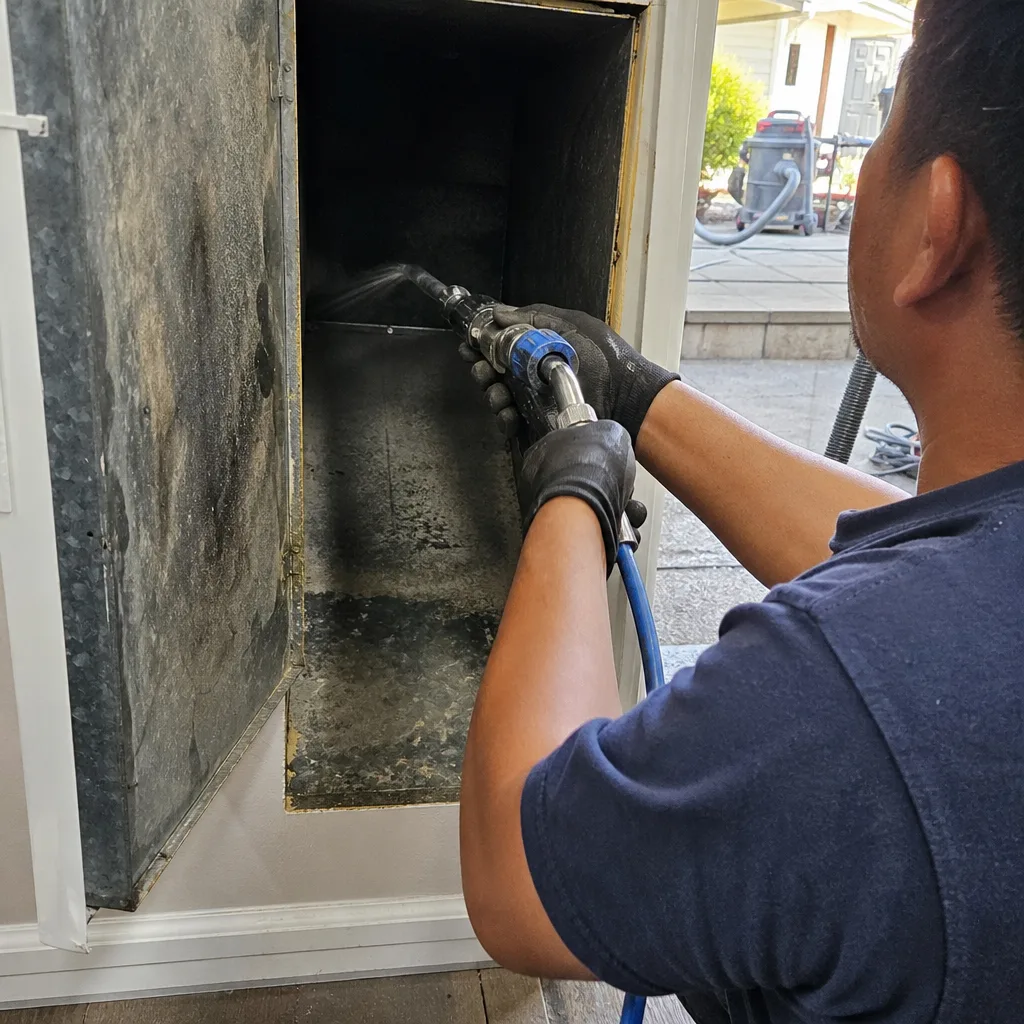
- Whole-home duct cleaning
- Dryer vent cleaning
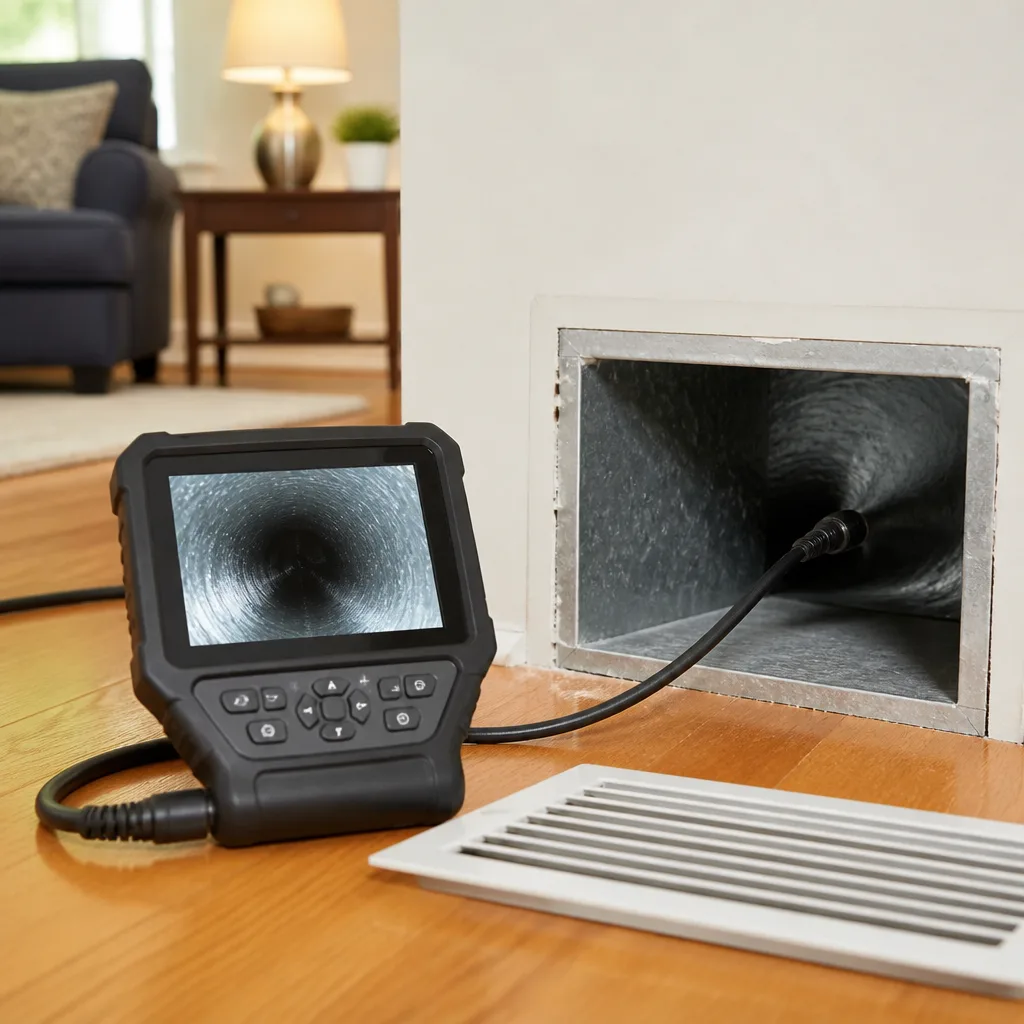
- Camera inspection
- Sanitizing & deodorizing
Table of Contents
- Why Standard Seasonal Advice Doesn’t Fit Lake Forest
- Late September: Pre-Santa Ana Season Prep
- Post-Wildfire Smoke Protocol
- Spring in Lake Forest: Pollen and Flex Duct
- Summer: High Load, Duct Sweating, and Mold Risk
- Winter: The Quiet Maintenance Window
- Building Your 12-Month Lake Forest Duct Calendar
- What You Can Check Yourself and What Needs a Professional
Why Standard Seasonal Advice Doesn’t Fit Lake Forest
Lake Forest sits in a climate with mild winters and a long dry stretch, which means the usual “spring and fall cleaning” rhythm doesn’t map onto what your ducts actually collect. The dominant airborne loads here come in two waves: Santa Ana wind events, typically peaking in October and November, and wildfire smoke episodes that can arrive any month the regional fire picture turns bad. Between those, spring brings pollen from eucalyptus and chaparral species, and summer brings months of near-continuous HVAC operation.
That changes the calendar in a practical way. In a four-season climate, the dead of winter is when you clean ducts because you’re indoors and the furnace is running. In Lake Forest, winter is the calmest air-quality window of the year and a sensible time for inspection work you’d rather not schedule during a heat wave. The heavy lifting should be complete before the wind picks up.
There’s a second local factor: a lot of Lake Forest housing stock sits in planned communities with attic-mounted air handlers and flex duct runs. Flex duct is efficient and easy to install, but its corrugated interior traps fine particulate in every bend. That’s not a flaw you fix once; it’s a surface that reloads every season. The sections below walk through each part of the year with that in mind.
If you want the full picture of what a professional visit involves, our air duct cleaning page lays out the process from the HVAC unit to every register. This guide focuses on timing and the between-visit checks that keep a system from getting ahead of you.
Late September: Pre-Santa Ana Season Prep
Late September is the single most valuable week on the Lake Forest duct calendar. Santa Ana events push dry, dust-laden air across the region, and every gap in your duct system becomes an intake. Getting the system cleaned and sealed before that window means the dust that arrives in October stays on your filter and floors rather than settling into duct runs you won’t look at until next year.
Here’s the prep sequence we recommend for the last two weeks of September:
- Upgrade your filter before the season, not during it. Check the MERV rating your air handler is rated for and step up to the highest your system can handle without restricting airflow. A filter that’s too restrictive for your blower is worse than a clean lower-rated one.
- Inspect every return grille. Look for visible dust loading on the grille face, debris caught behind the grille, and any sign of air bypassing the filter frame. Gaps around a filter that’s undersized for its slot let unfiltered air straight into the return.
- Check accessible duct connections. Where duct sections meet the air handler, at plenum transitions, and at any joint you can reach in the attic or mechanical closet, look for separated tape, sagging flex, and disconnected collars. One loose connection can pull attic dust into the supply side all season.
- Schedule a full-system cleaning. A professional visit before the wind season clears out the accumulated year and lets a technician flag sealing work while there’s still time to book it.
Duct repair and sealing matters more than most homeowners expect at this stage. A duct system that leaks 10% of its air into the attic isn’t just wasting energy; it’s pulling unfiltered attic air and insulation fibers into the supply stream. When we clean a Lake Forest system, we look for exactly those gaps, and our HVAC cleaning scope includes the air handler and coil surfaces where dust collects most heavily. Fixing leaks in the same visit closes the loop that a cleaning alone would leave open.
Post-Wildfire Smoke Protocol
Wildfire smoke is the event Lake Forest homeowners ask about most, and the answer has two phases: what to do while smoke is present, and what to inspect after it clears. During a smoke event, keep windows and doors closed, run the HVAC system on recirculate if your thermostat supports it, and change the filter as soon as the air clears. Recirculate keeps the system from drawing outdoor air through the return, which is the main path smoke takes into a home.
After the smoke clears, a few checks tell you whether particulate got past your filtration:
- Inspect the filter and the slot around it. A filter that looks uniformly dark across its whole face did its job. Darker edges with a clean center suggests air is bypassing the filter at the frame, which means particulate went straight past it.
- Look at the air handler cabinet and blower. Fine ash deposits on the blower wheel or the cabinet interior are a sign the system pulled smoke through. A professional inspection can confirm whether the coil and blower need cleaning.
- Check register faces and nearby surfaces. Soot-style dust on supply registers after a smoke event is worth a closer look inside the ducts themselves.
- Watch for odor after the smoke is gone. A musty or campfire smell that lingers days after outside air clears usually means particulate has settled into duct surfaces and is cycling back through the system.
Filter maintenance is where brands and system compatibility matter. If you run a Honeywell or Aprilaire media cabinet, you probably have more filtration capacity than a standard 1-inch slot, and upgrading the filter without confirming the cabinet’s rating is a common mistake. Our technicians have up to 10 years of experience working around these systems and can tell you what your specific cabinet is rated for. Guardsman filter products come up in the same conversation; the right answer depends on your equipment, not on a generic recommendation.
Spring in Lake Forest: Pollen and Flex Duct
Spring pollen here is not the gentle yellow dust of a northern climate. Eucalyptus and chaparral species throw off fine, sticky pollen that travels easily on the wind and clings to surfaces inside the system. Because flex duct has a corrugated interior, every bend and turn acts as a trap. That’s why a system that looks clean at the register faces can still be holding a full season of pollen in the runs behind them.
Spring action items for a Lake Forest home:
- Change the filter at the first sign of pollen season. Don’t wait for the filter to look fully loaded; fine pollen loads a filter faster than ordinary household dust.
- Check return grilles after windy days. A visible film of pollen on grille faces means the return is pulling it in, which means some of it is reaching the duct surfaces behind the grille.
- Look for sagging flex duct in the attic. A sagging run collects debris in the low point and restricts airflow; it also tends to be where pollen and dust settle first.
- Book the spring inspection if you skipped fall. A spring cleaning still has value, but it’s better used as a checkup than as your annual cleaning.
If you notice uneven airflow between rooms in spring, that’s usually a duct problem showing itself under load, not a filter problem. A sagging run, a disconnected collar, or a crushed flex section can drop airflow to one side of the house while the rest of the system seems fine. A cleaning visit is a good time to have those diagnosed and sealed in one appointment rather than two.
Summer: High Load, Duct Sweating, and Mold Risk
Summer is when duct problems go from nuisance to actual concern. The system runs almost continuously from June through September in Lake Forest, which means hours of cool air moving through ductwork that may sit in a hot attic. That temperature difference is the setup for condensation: when cool supply air passes through a duct surface that isn’t properly insulated or sealed, moisture forms. Moisture plus dust plus a warm environment is the recipe for microbial growth inside the duct.
Where to look for the early signs:
- Water staining or discoloration at duct joints and connections. Condensation often shows up first at the joints where two sections meet and the seal has failed.
- Musty odor when the system first kicks on. A brief smell at startup that fades can be normal; one that lingers or intensifies during cooling is worth investigating.
- Sagging or damp-looking insulation on attic duct runs. Insulation that’s been wet loses effectiveness and holds moisture against the duct.
- Higher electric bills for the same cooling load. A duct system leaking cold air into the attic makes the compressor work longer to hit the setpoint.
Sanitizing treatment fits here. When we find microbial growth or odor sources, the answer is to address the source rather than mask it: clean the affected surfaces, treat them, and fix the moisture problem that allowed growth in the first place. Sealing is often the real fix, since condensation follows leaks. Our Lake Forest Air Duct Cleaning Pros team handles cleaning, sealing, and sanitizing as one scope so you’re not calling a second contractor after the cleaning reveals the problem.
One technical note on filtration during summer: if you’re running a higher-MERV filter and notice the system struggling to keep up, that’s worth a conversation. A filter rated beyond what your blower can handle adds static pressure, and in a hot month the system has no margin to spare. Checking the manufacturer’s rating for your air handler avoids that trap.
Winter: The Quiet Maintenance Window
Winter here is mild, which makes it the best time for work you’d rather not schedule during a heat wave. The air is comparatively clean, the HVAC system runs less, and a technician can get into the attic without the heat that makes summer inspections uncomfortable. Use the quieter months for anything that doesn’t have to be done immediately: a thorough duct inspection, sealing work identified in a fall cleaning, or a dryer vent check.
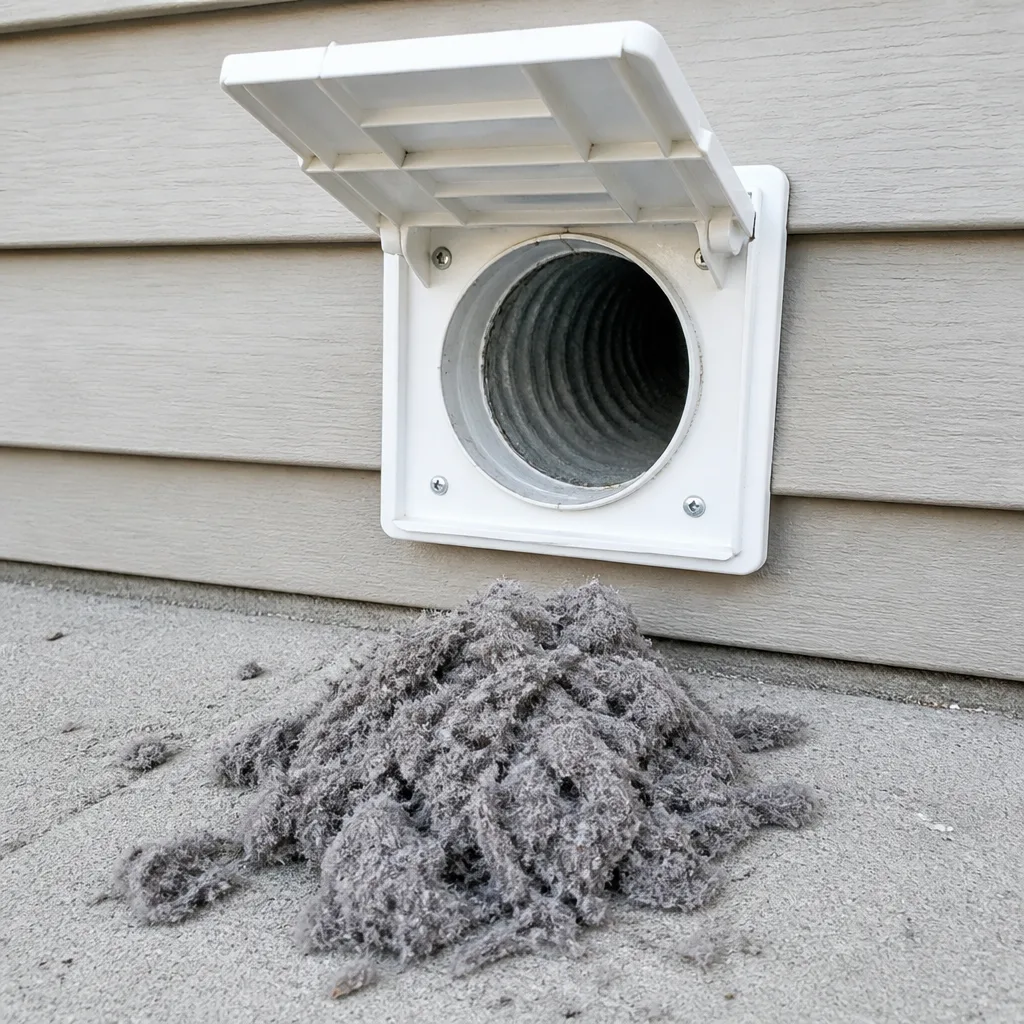
Dryer vent cleaning often gets lost in the seasonal conversation because it’s not tied to the HVAC system. It should be on the winter list anyway. Lint accumulation in a dryer vent is a leading cause of residential fires, and it builds up independently of everything happening in your air ducts. If you can’t remember the last time the vent was cleaned, or if clothes take longer than they used to dry, that’s the cue. Our dryer vent cleaning service covers the full run from the dryer connection to the exterior vent, and doing it alongside the HVAC work keeps both on the same schedule.
Winter is also a good time to think about upgrades rather than repairs. If your filtration cabinet is undersized or a media cabinet like an Aprilaire unit would fit your system, the off-season is when you have room to consider it without a heat wave forcing the decision. Our technicians can talk through compatibility with your existing equipment before you commit to a change.
Building Your 12-Month Lake Forest Duct Calendar
A useful calendar for this climate follows the actual air quality year, not the four-season template. Here’s a month-by-month framework to adapt to your home, your system age, and whether you have pets or allergy concerns in the household.
- January – February: inspection window. Have duct connections checked, sealing work scheduled, and the dryer vent cleaned if it’s due. No urgency here, which means you get the appointment you want.
- March: filter change at the start of pollen season. Check return grilles for visible pollen film after windy days.
- April – May: watch airflow between rooms. If one side of the house is short on air, book a diagnostic before summer load hides the cause.
- June: check for condensation at duct joints, particularly on attic runs. Fix any moisture issue now rather than letting it run all summer.
- July – August: peak load. Keep filters fresh, watch for musty startup odor, and note any rooms that never cool properly.
- September: the key month. Book a full-system cleaning, upgrade your filter, inspect return grilles, and get sealing work done before the wind season.
- October – November: Santa Ana season. Change filters after major wind events, keep windows closed, and run the system on recirculate when smoke is present.
- December: post-season inspection. Check the air handler and blower for deposits if you had a smoke event during the year, and reset your filter schedule for January.
The calendar isn’t rigid. A wildfire smoke event in July resets part of the plan; a home with new carpet or recent renovation work may need an extra cleaning in the first year. The point is to have a baseline that reflects Lake Forest’s actual air quality pattern so you’re deciding from information rather than a generic reminder from a coupon mailer.
What You Can Check Yourself and What Needs a Professional
Some of this work is genuinely within reach for a homeowner with a step stool and a flashlight. Other parts are not, and the split matters for both safety and effectiveness.
Homeowner-appropriate tasks:
- Changing the filter on schedule and confirming it fits the frame without bypass gaps.
- Visually inspecting return grilles for dust loading, pollen film, or debris behind the grille.
- Looking at accessible duct connections in the attic or mechanical closet for separated tape, sagging flex, or disconnected collars.
- Watching for musty odor, uneven airflow, and condensation staining, and noting when each appears.
Work that belongs with a professional:
- Cleaning the duct interior. Consumer vacuums and shop-vacs don’t move enough air to extract the compacted dust that clings to duct walls. Our Rotobrush rotary brush system mechanically scrubs the duct surface while a Nikro vacuum pulls the dislodged material out, which is a different job than what a shop-vac can accomplish.
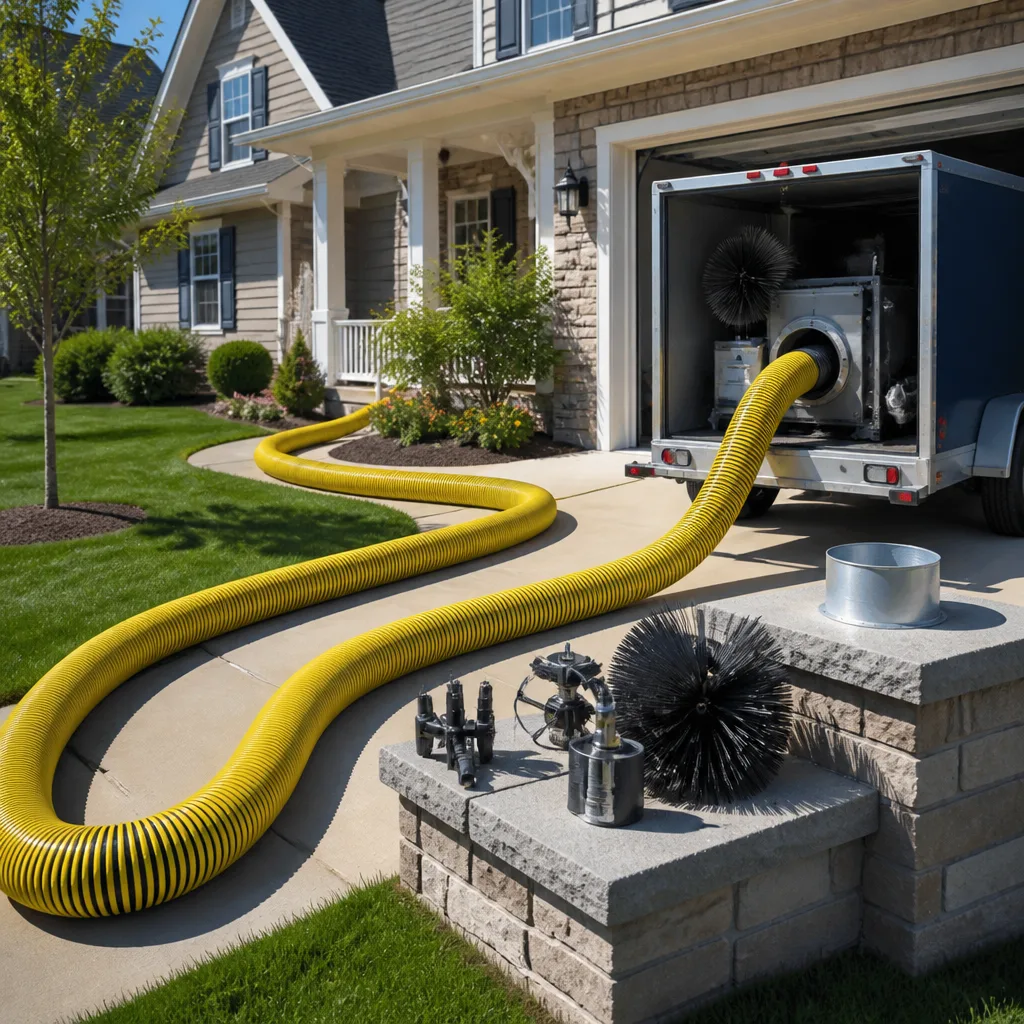
- Containment during the job. We deploy Abatement Technologies air filtration on-site so that contaminants removed from the ducts are captured rather than recirculated into the living space. That’s a piece of equipment most cleaning services don’t bring.
- Duct repair and sealing. Sealing requires knowing where the leaks are under operating pressure, which means testing and access to both sides of the system. A homeowner taping a joint they can reach isn’t the same as sealing the leaks that matter.
- Sanitizing treatment. Addressing microbial growth means treating the affected surfaces and fixing the moisture source; it’s not a spray-and-done job.
- Air handler and coil inspection after a smoke event. Confirming particulate infiltration requires getting into the cabinet, and that’s work for someone who does it routinely.
If you’re not sure which category a specific concern falls into, the safest answer is to describe what you’re seeing on a free estimate call and let a technician tell you whether it’s worth a visit. The worst outcome is guessing wrong on a moisture or sealing problem and letting it run another season.
Common Mistakes to Avoid
- Cleaning in spring because a national guide says so. Spring cleaning here happens after the worst of the dust load has already been drawn in. Late September puts the cleaning ahead of Santa Ana season instead of behind it.
- Upgrading to a higher-MERV filter without checking the rating. A filter rated beyond what your blower can move adds static pressure and drops airflow. Check the air handler’s spec before stepping up.
- Ignoring airflow complaints because they seem minor. Uneven cooling between rooms often shows up first in summer load, and it’s usually a duct problem rather than a thermostat problem. Diagnosing it early saves a second visit.
- Skipping the dryer vent because it’s not part of the HVAC. Lint buildup in the vent is an independent fire risk and doesn’t show up on any HVAC diagnostic. Put it on the same annual schedule.
- Treating musty odor with an air freshener or a spray. Odor at system startup is a signal about moisture or microbial growth inside the duct, and masking it lets the underlying problem keep going.
- Assuming a cleaning visit covers leaking ducts. A cleaning removes the accumulated dust; sealing closes the gaps that let dust back in. A service that can’t do both leaves the second half of the job for someone else.
- Waiting for the next coupon to schedule anything. The calendar in this guide exists so you’re booking ahead of the seasons that matter rather than reacting after a smoke event or a wind storm has already loaded the system.
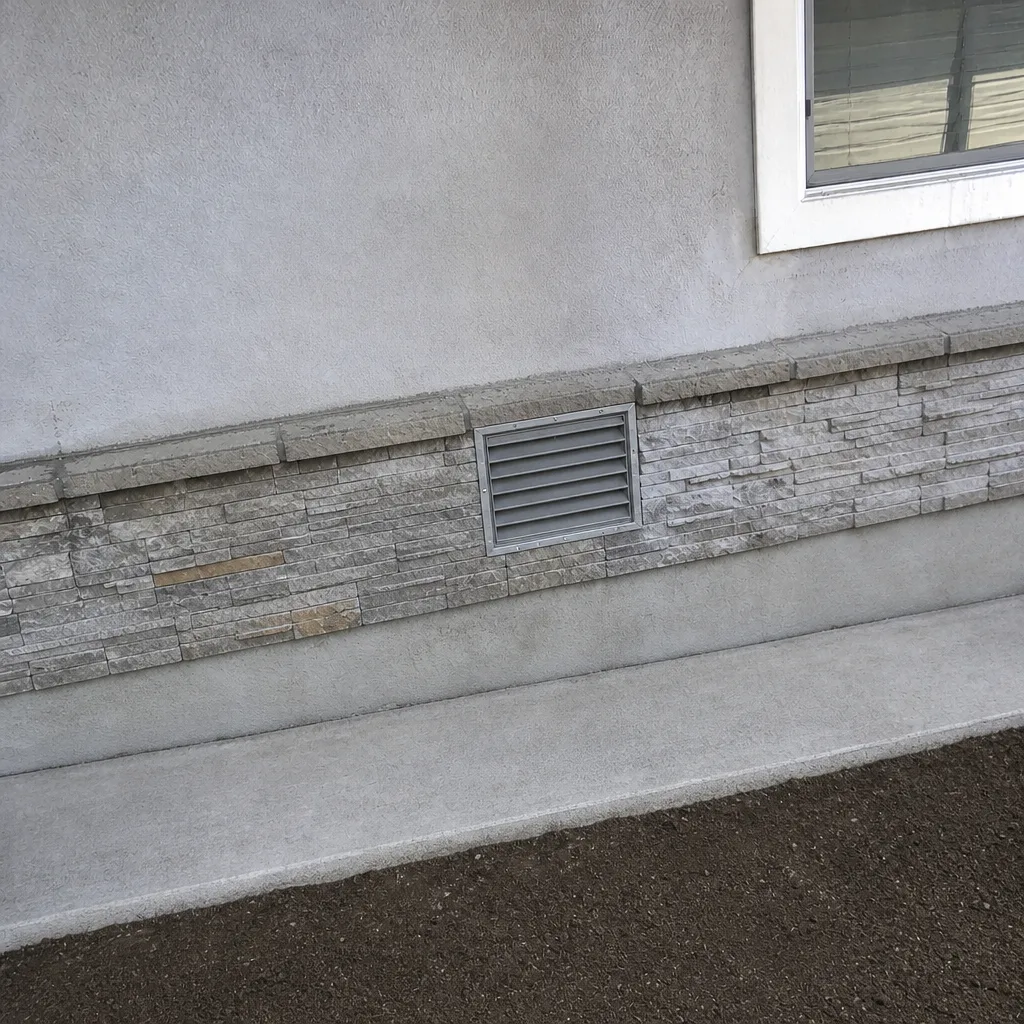
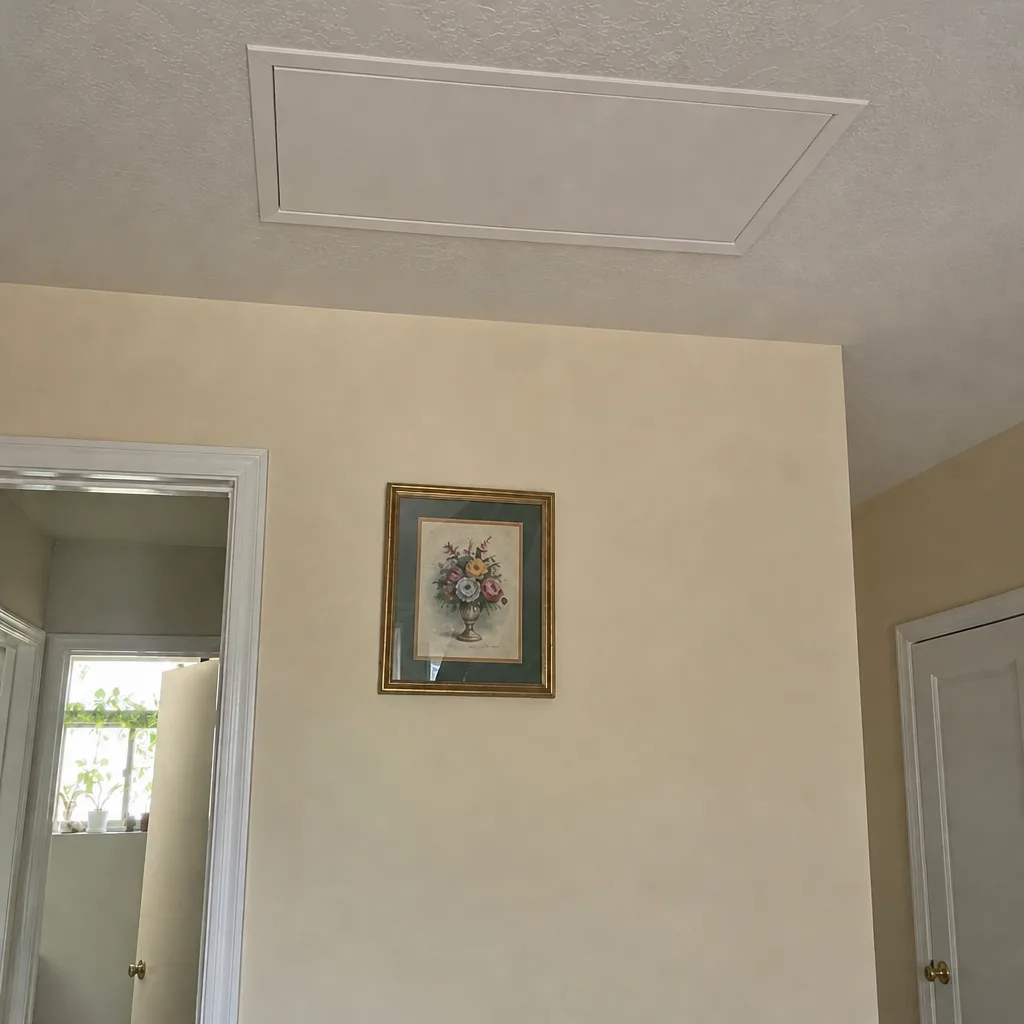
See the difference
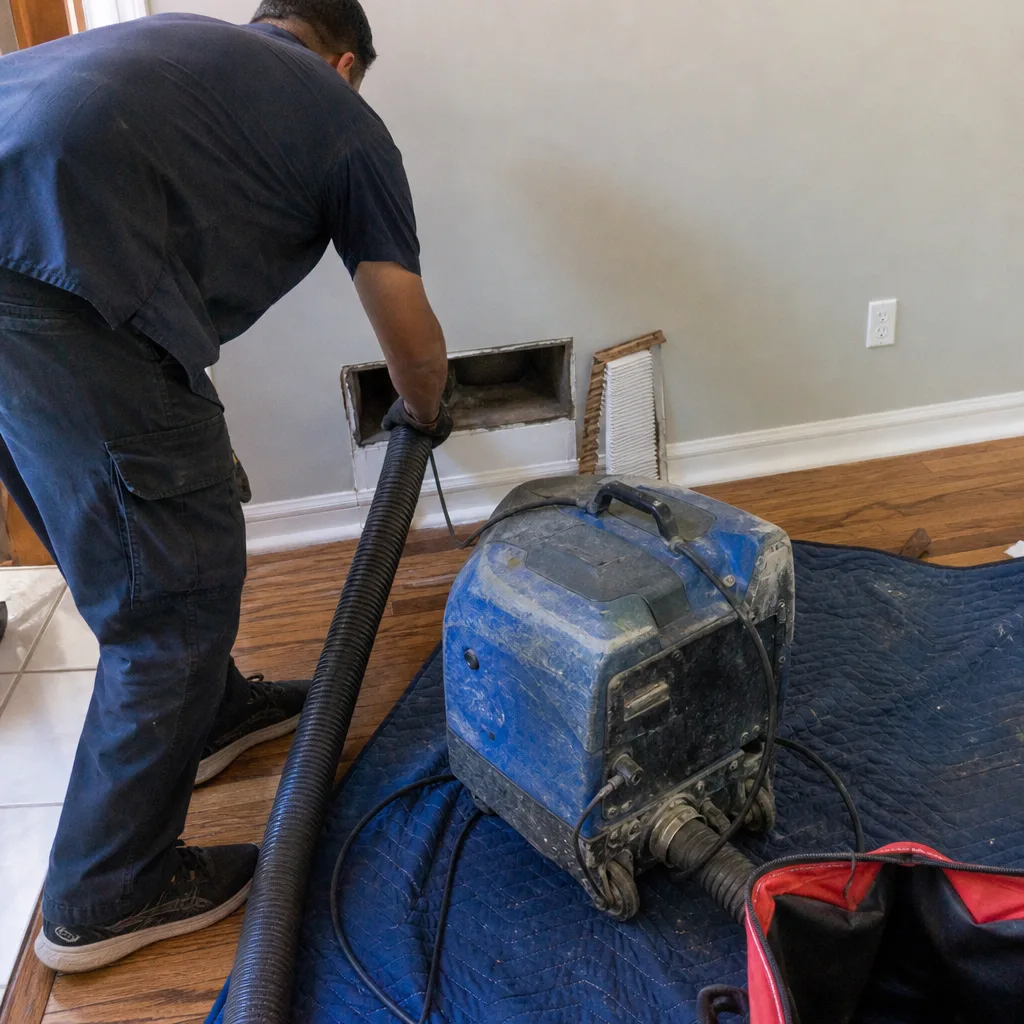 Before
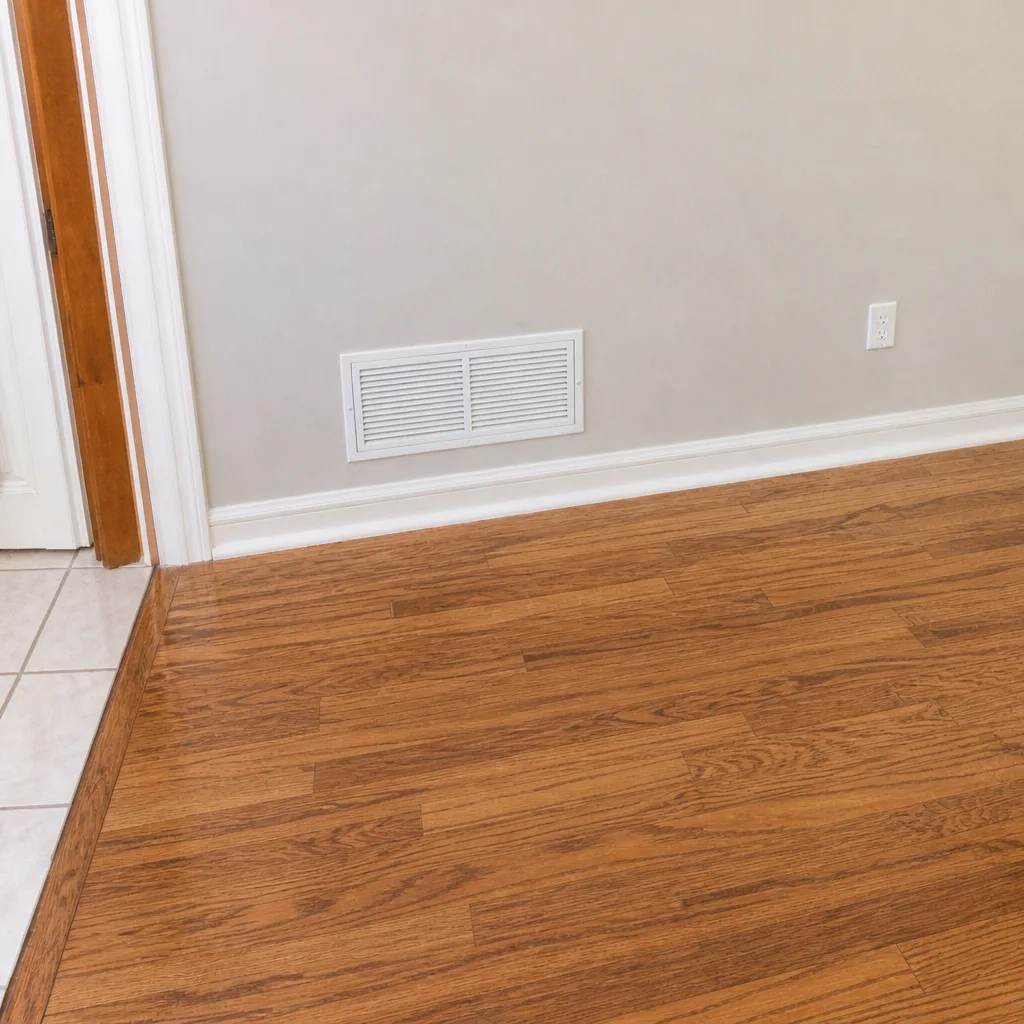 After
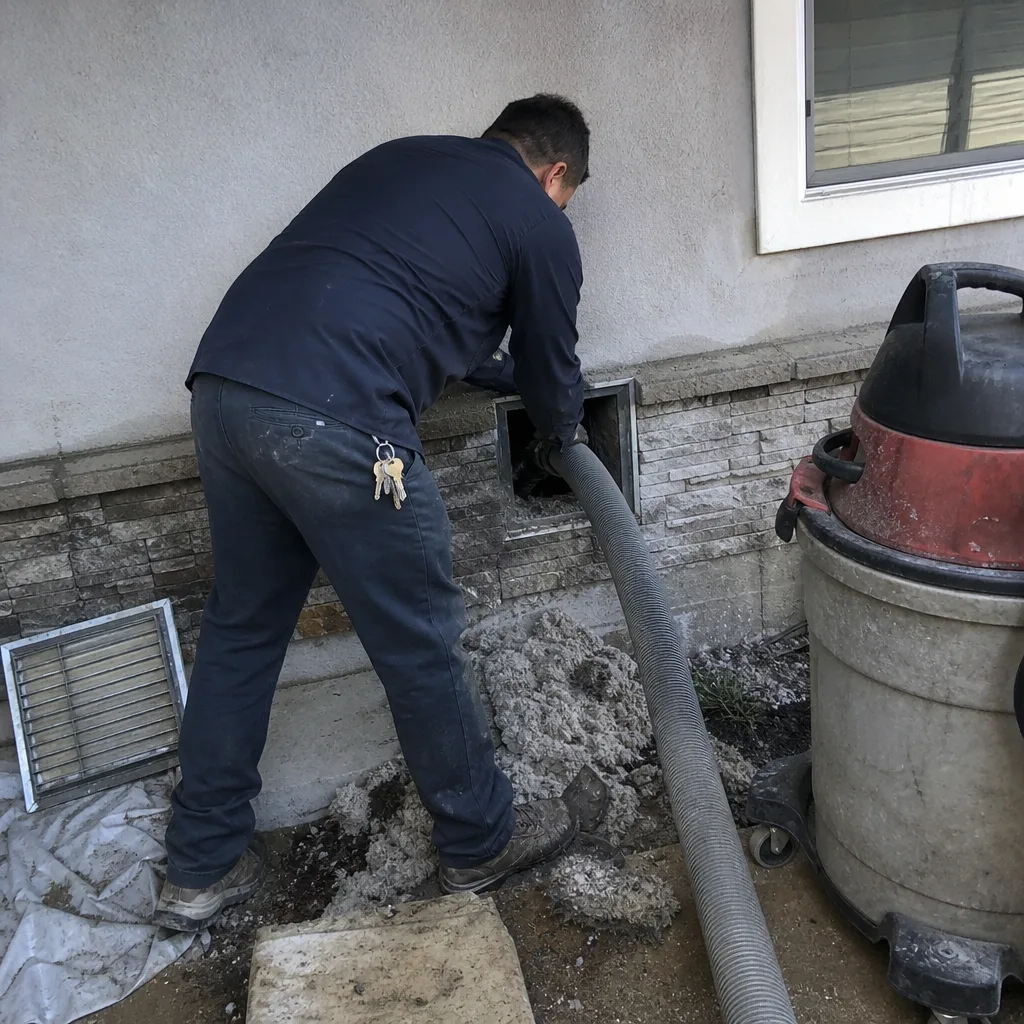 Before
 After
 Before
 After
When to Call a Professional
Call for an inspection if you’ve never had the duct system cleaned in your home, if you’ve just completed a renovation or moved in, or if you can’t remember the last visit. Call sooner if you’re seeing condensation stains at duct joints, a musty smell when the system starts, uneven airflow between rooms, or visible dust on supply registers after a smoke event. If a Santa Ana wind season or a wildfire smoke episode has just passed, a post-event inspection is worth scheduling even if the system seemed fine. Lake Forest Air Duct Cleaning Pros offers free estimates in Lake Forest – call (833) 468-5640. We answer 24/7. Fast dispatch from 7am to 7pm, Sunday through Friday.
Frequently Asked Questions
Once a year is the right baseline for most Lake Forest homes, timed for late September so the system is clean going into Santa Ana wind season. Homes with pets, allergy or asthma concerns, recent renovations, or a wildfire smoke event during the year may benefit from an additional check. The specific trigger for an extra visit is usually visible dust at the registers, musty odor, or unexplained airflow problems, not a calendar date. Call (833) 468-5640 for an exact quote – estimates are free.
Yes, run it on recirculate mode if your thermostat supports it, and keep windows and doors closed. Recirculate keeps the system from drawing outdoor smoke through the return, which is the main path smoke takes into a home. Change the filter once the smoke clears, and have the air handler inspected if the system ran heavily during the event. Call (833) 468-5640 to schedule a post-smoke inspection – estimates are free.
Cheap quotes usually price per vent and skip the parts of the job that matter: containment equipment, mechanical duct wall cleaning, and the repair and sealing work that shows up once the cleaning is underway. A per-vent price also gives the technician no reason to be thorough, since the invoice is set before the work starts. We price one flat rate per system, agreed on a written estimate before any work begins, and we show before-and-after photos of your own ducts. Call (833) 468-5640 for an exact quote – estimates are free.
Ask for before-and-after photos of your own duct runs, not stock images. A cleaning visit worth paying for will include photographic documentation of what was found and what was removed, plus a clear explanation of any sealing or repair work identified during the job. Walk through the scope with the technician before the work starts so you know what the invoice covers. Call (833) 468-5640 to schedule – estimates are free.
Cost depends on the size of the system, the number of runs, and whether sealing or repair work is needed. We don’t quote per vent and we don’t work from a coupon price, because per-vent pricing tends to hide the real cost of doing the job thoroughly. The written estimate we give before work starts sets the final price, and it covers the full scope from the HVAC unit to every register. Call (833) 468-5640 for an exact quote – estimates are free.
It can help by removing accumulated pollen, dust, and particulate from the duct surfaces where it settles and recirculates, particularly in flex duct runs that trap material at every turn. The bigger gain usually comes from combining a cleaning with sealing leaking connections, since a system that pulls attic air into the supply stream is recycling dust the cleaning just removed. If someone in the household has allergy or asthma concerns, that combined scope is worth asking about. Call (833) 468-5640 to talk through the right scope – estimates are free.
The Bottom Line
The seasonal advice that works for most of the country doesn’t fit Lake Forest. The real air quality calendar here is built around Santa Ana wind season in October and November, wildfire smoke events that can hit any month, spring pollen that loads flex duct quickly, and a long summer HVAC run that makes condensation and mold the biggest risk. Time your professional cleaning for late September, upgrade filters ahead of wind season, run recirculate during smoke events, and inspect the air handler afterward. Put dryer vent cleaning and duct sealing on the same annual schedule so the work done in one visit isn’t undone by a gap left open in the next. If you want a plan built around your specific system, that’s a conversation worth having.
Call (833) 468-5640. We answer 24/7. Fast dispatch from 7am to 7pm, Sunday through Friday. We’ll look at your system, tell you what the next twelve months should look like, and give you a written estimate before any work starts.
Written by the team at Lake Forest Air Duct Cleaning Pros.