
Last updated November 25, 2026
 Whole-home duct cleaning
 Dryer vent cleaning
 Camera inspection
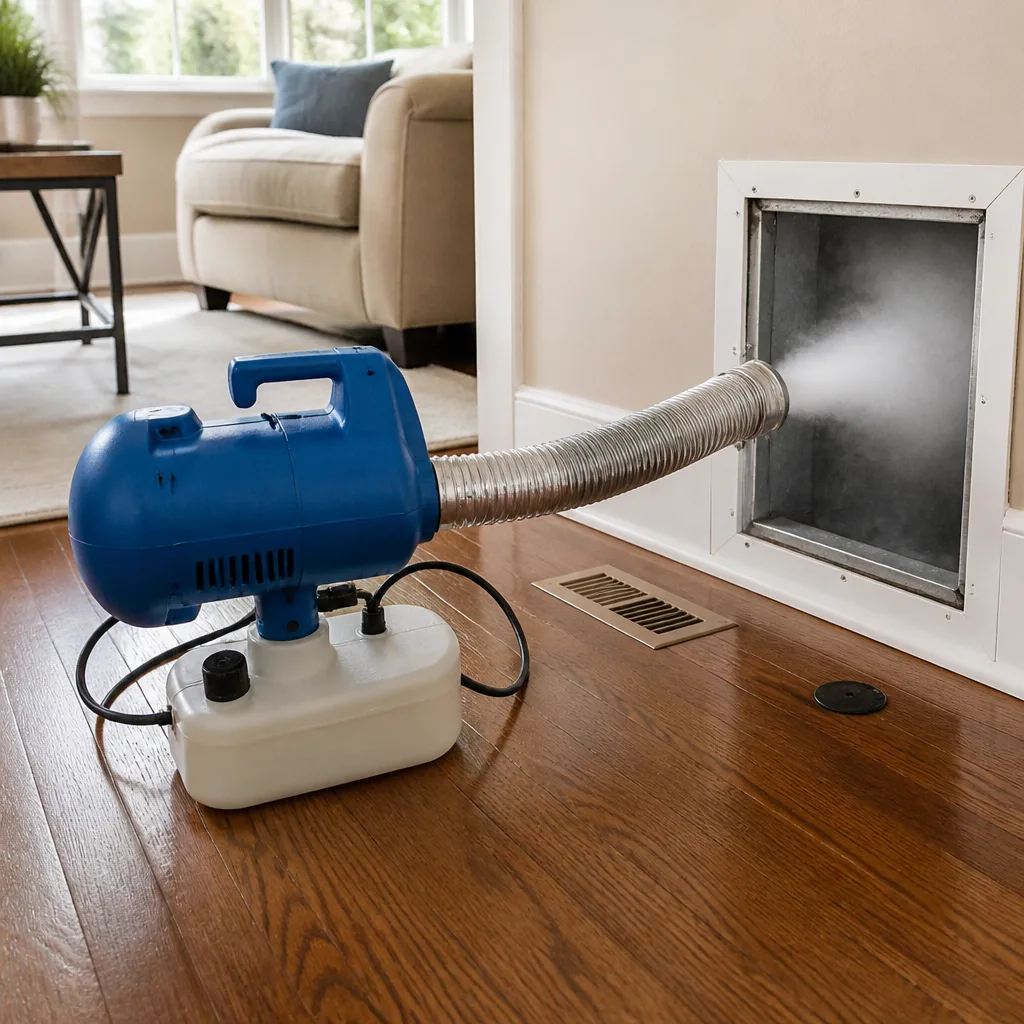 Sanitizing & deodorizing
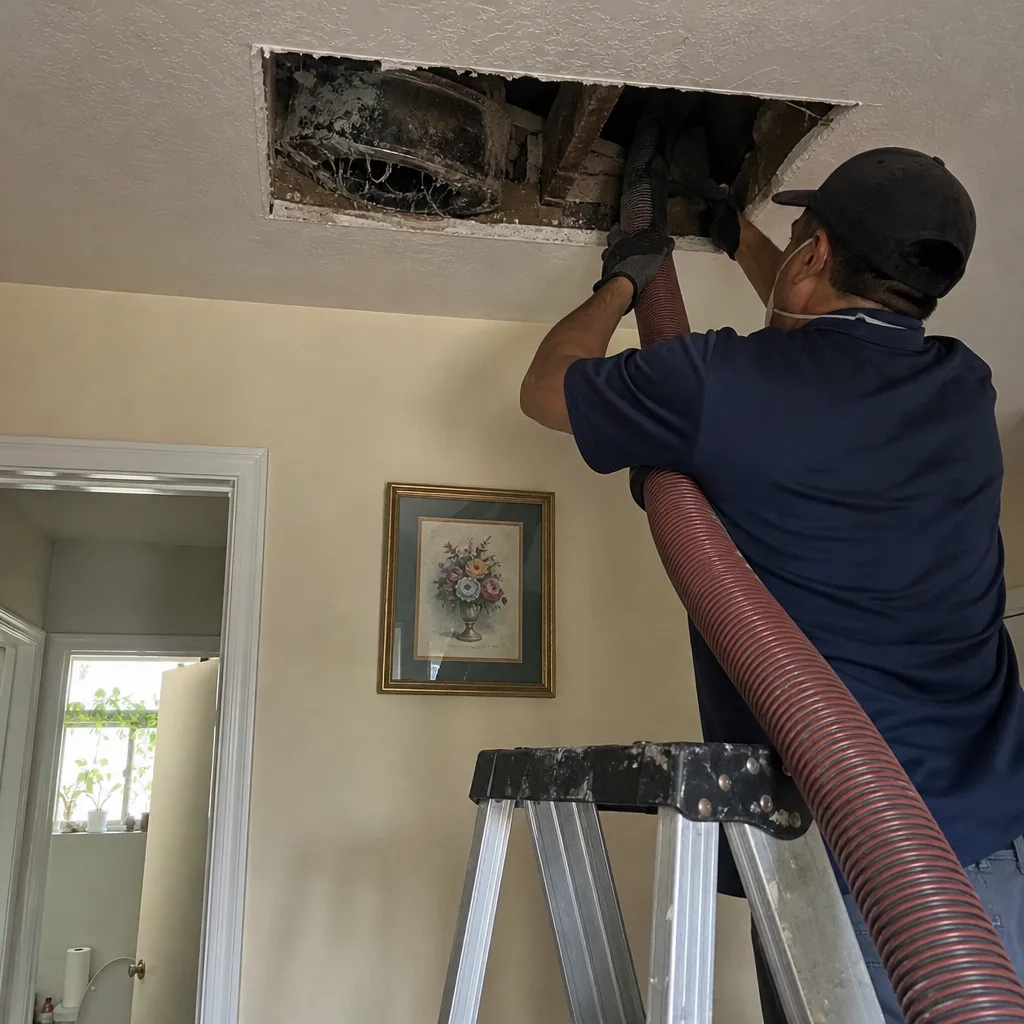
Whole-system duct and dryer vent check with before-and-after photos - you see exactly what came out of your vents
That "$99 whole-house special" is a bait ad - the real number appears once they are in your hallway, or the "clean" is a shop-vac at the register. We photograph the inside of your ducts before and after instead.
Air Duct Cleaning Emergency Preparedness Guide for Lake Forest Homes
After a nearby wildfire, most homeowners walk the property and check the roof, the windows, the eaves. What almost nobody checks is the return air intake. Smoke particulate that pulled into the HVAC system during the event sits in ducts, on the blower wheel, and against the filter frame – and the moment you switch the system back on, that material redistributes through every room in the house. The same pattern repeats after an earthquake moves your duct connections, or a roof leak wets the attic duct run. This guide covers what each of those emergencies leaves behind inside your ductwork, how to assess it safely, and what to document before anyone starts cleaning. It’s written for Lake Forest homes specifically.
Quick Answer
After a wildfire, earthquake, or water intrusion in Lake Forest, do not run your HVAC system until you know whether contaminants entered the ductwork – and if they did, have the full air pathway cleaned and inspected before reoccupying the home. Document the damage with photos and notes before any cleaning begins, then call a professional who cleans the entire system from the HVAC unit to every register, not just the visible vents. Call (833) 468-5640. We answer 24/7. Fast dispatch from 7am to 7pm, Sunday through Friday.
Styles & brands we work with
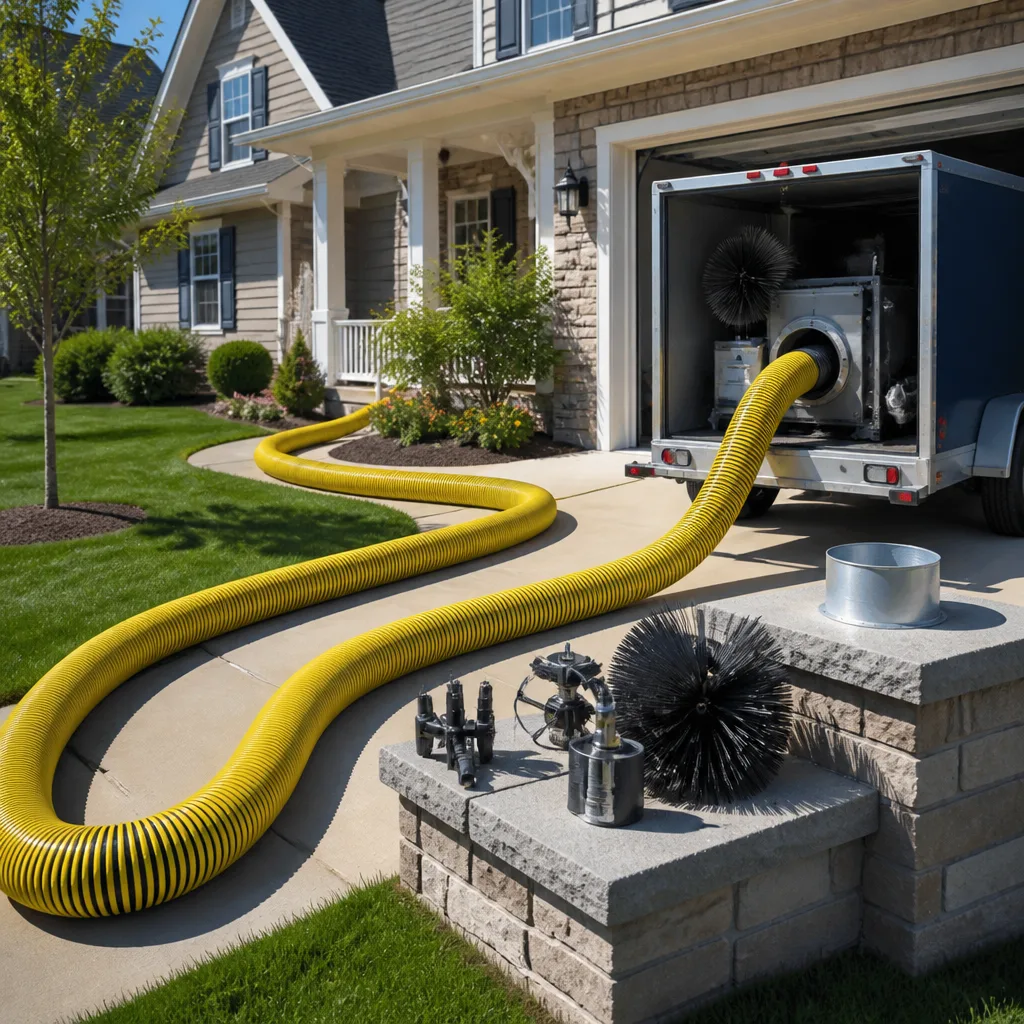
- Whole-home duct cleaning
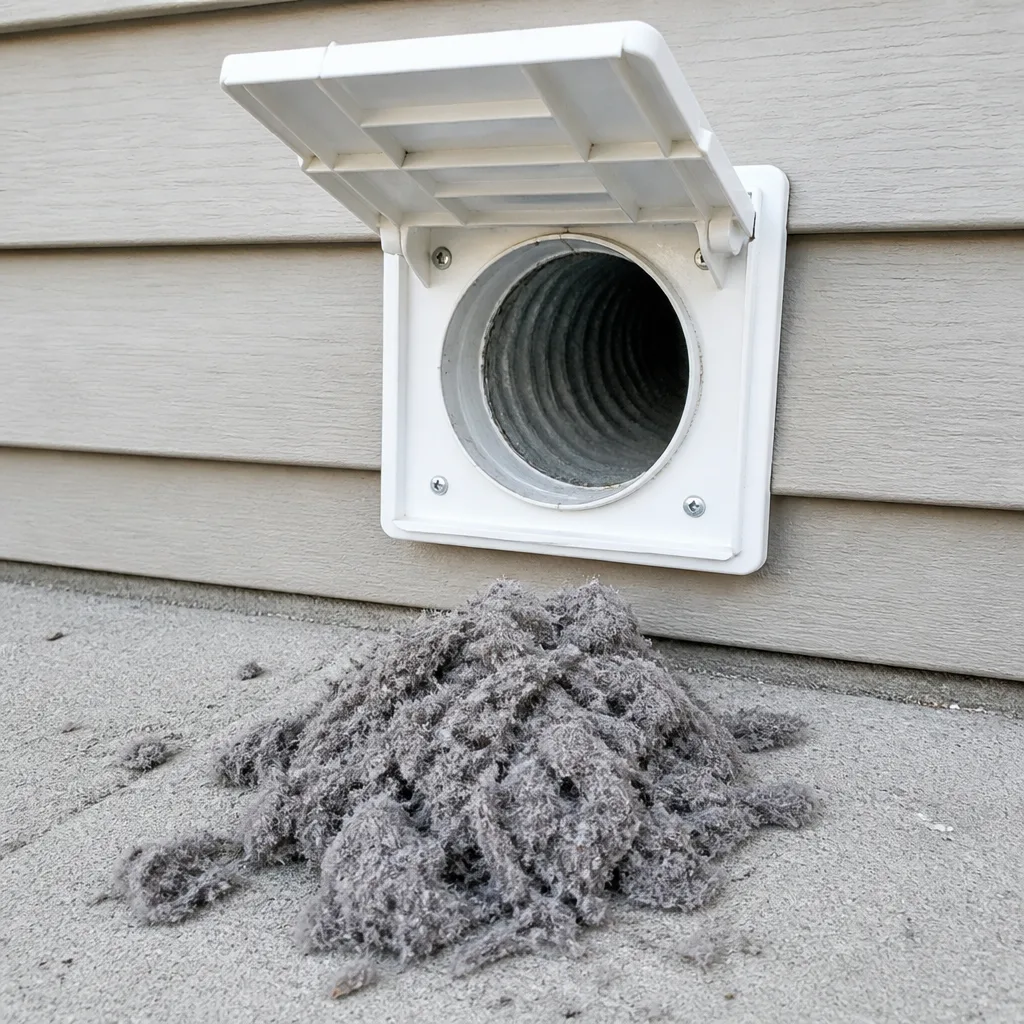
- Dryer vent cleaning
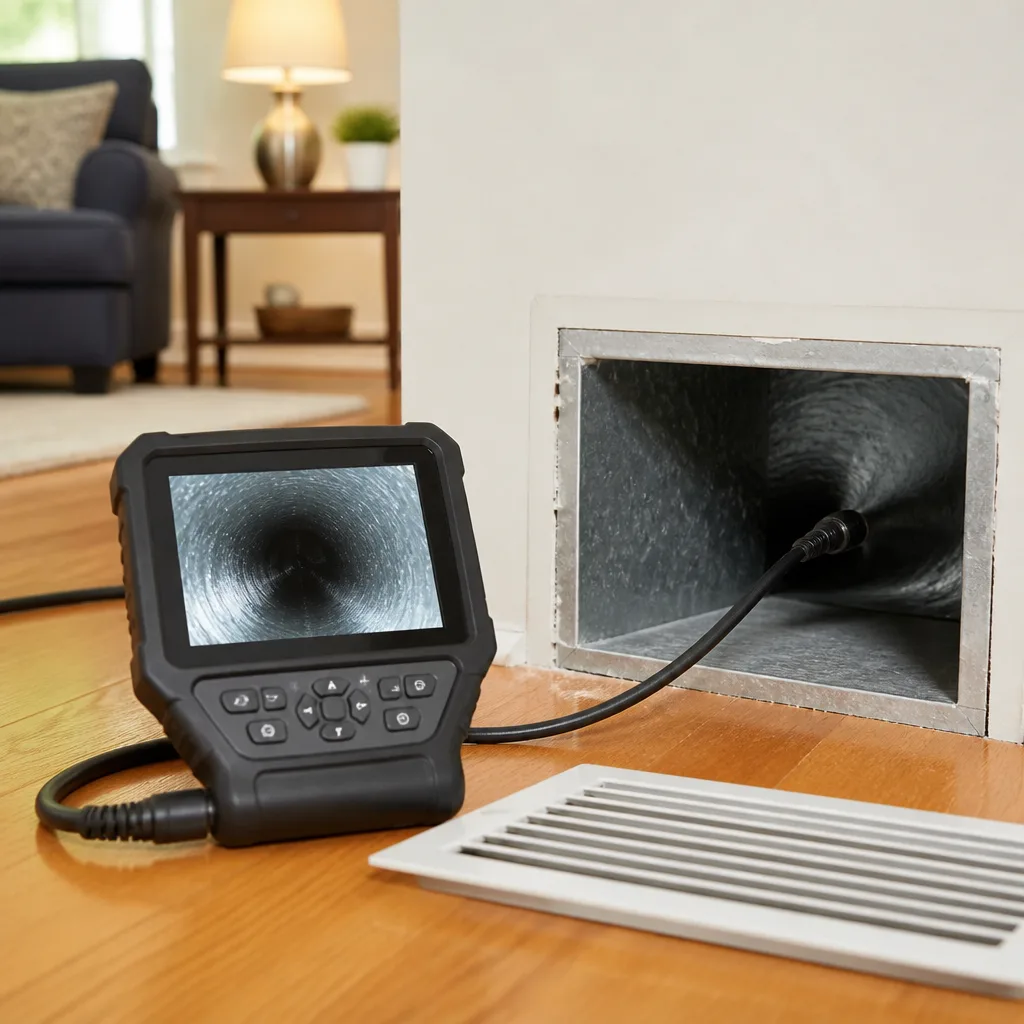
- Camera inspection
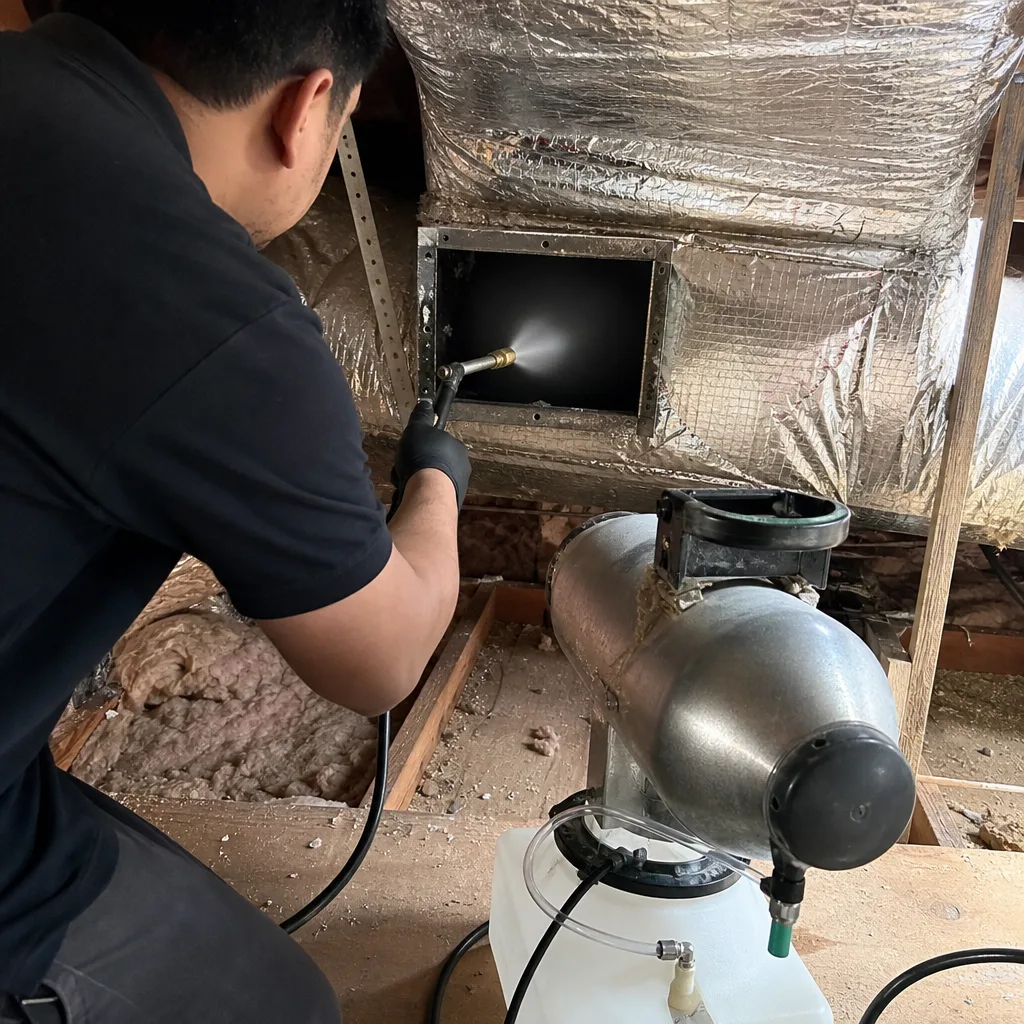
- Sanitizing & deodorizing
Table of Contents
- After a Wildfire: What Smoke Leaves Inside Your Ducts
- After an Earthquake: Duct Connections and Joints in Lake Forest Homes
- Roof Leaks and Flood Intrusion: The Moisture Timeline
- How to Run Your HVAC Safely on a Compromised System
- What to Document for Insurance Before Cleaning Begins
- Building an Emergency Duct Plan Before Anything Happens
- Common Mistakes to Avoid
- When to Call a Professional
After a Wildfire: What Smoke Leaves Inside Your Ducts
Wildfire smoke is not just odor. It carries fine particulate, ash, and combustion byproducts that behave differently from ordinary household dust. When a home sits in a smoke plume – even a distant one – the HVAC system can act as a slow pump. The return air intake pulls smoke-laden air in, the filter catches some of it, and the rest settles on duct walls, the blower housing, and the evaporator coil.
The first thing to establish after a smoke event is whether the system ran while the smoke was present. That single fact changes the contamination picture:
- System ran during the smoke event: expect contamination through the return side, the supply trunk, and the coil. Filters may be loaded solid. The blower wheel often holds a sticky film of fine ash.
- System was off the whole time: contamination is likely limited to what settled through return grilles by gravity plus any gaps where smoke infiltrated the attic run.
- System cycled on and off: partial contamination. The return side usually shows it first.
Odor is the tell that homeowners notice first – a campfire smell that comes back whenever the system runs. That smell is particulate and residue on duct surfaces and the coil. Wiping registers doesn’t fix it, because the source is deeper in the pathway. A full-system commercial cleaning addresses it at the source. Our air duct cleaning work in Lake Forest begins with mechanical agitation of duct walls using a Rotobrush rotary brush system and containment of the loosened debris with an Abatement Technologies filtration unit running on site – so what comes out of the ducts doesn’t end up back in your living room.
Smoke events are regional here. When a fire burns in the hills and the wind shifts, the whole town can wake to an ash haze without a flame anywhere nearby. Lake Forest homeowners in neighborhoods along the ridge side tend to see the smoke settle first. If you can see ash on your patio furniture, assume some of it found its way into the return air path.
After an Earthquake: Duct Connections and Joints in Lake Forest Homes
Ductwork is more fragile than it looks. Flex duct is essentially a spring-loaded tube of foil and wire, and it’s joined to rigid trunks, plenums, and boots with tape, mastic, or zip ties. Ground movement of even modest magnitude can open those joints without any visible damage in the living space. You won’t see it. You’ll feel it as reduced airflow to one or two rooms, a whistle at a register, or dust appearing on a shelf near a vent.
In Lake Forest’s mix of slab and raised-foundation homes, the failure points differ:
- Slab homes: the duct run often sits inside or under the slab with connections at the perimeter. Movement at the slab edge can stress the boot-to-floor joint.
- Raised-foundation homes: attic and subfloor runs take the load. Flex connections to the plenum are the most common failure after a quake, and the attic run is the most likely to be disconnected entirely.
- Two-story homes: vertical chases and the transitions between floors absorb more movement. Duct-to-boot joints at upper-floor registers are a frequent culprit.
What to check without disassembling anything:
- Walk the house and listen at each register with the system running. A whistle or rush of air from an unexpected seam is a warning sign.
- Feel the airflow at each register compared with the others. A sudden weak register that used to be strong is a clue.
- Look for disturbed insulation in the attic around the air handler and duct runs. Fresh gaps or insulation pushed aside suggest movement.
- Check for dust streaks at ceiling and floor boots – cracks pull air and dust together.
None of that confirms a disconnected run. A camera inspection and pressure check does, and that’s part of what we do during HVAC cleaning. Duct Repair & Sealing is a core service for us specifically because quake damage often shows up mid-clean. When we find a broken or disconnected section, we close it in the same visit instead of sending you to a second contractor.
Roof Leaks and Flood Intrusion: The Moisture Timeline
Water and ductwork are a bad combination, and the clock starts the moment moisture reaches the attic run. Wet insulation inside a flex duct holds moisture against the duct wall and creates a humid microclimate. That’s the setup for microbial growth, and the window is shorter than most homeowners expect – days, not weeks, in warm weather.
Here’s how the timeline usually runs:
- Hours 0-24: moisture enters the duct insulation or settles on the interior surface. Odor may not be present yet.
- Days 1-3: damp insulation stays wet because airflow through the duct doesn’t dry the outside of it. Musty smell begins at registers served by that run.
- Days 3-7: visible growth can start on duct interior surfaces and insulation in a warm attic. Condensation on cool metal components accelerates it.
- Week 2 and beyond: established growth, persistent odor, and possible contamination of the coil and plenum. Cleaning becomes sanitizing plus repair, not just cleaning.
Roof leaks are the common entry point here, and the signs are easy to miss because the water often tracks along a rafter before it shows up as a ceiling stain. If your roof leaked during a recent storm and the duct run passes through that attic section, treat it as wet until proven dry. Our air quality and sanitizing service exists for exactly this scenario: address microbial growth and odor at the source after cleaning, not mask it with a spray. We work with Honeywell, Aprilaire, and Guardsman filtration and air-quality products, so we can talk intelligently about your filter setup and system compatibility once the ductwork is dry and clean.
One caution: if the water damage is extensive or has been sitting for weeks, get the duct section assessed for replacement, not just cleaning. Wet insulation inside a duct doesn’t always come clean.
How to Run Your HVAC Safely on a Compromised System
You may need to keep the house comfortable for a day or two while you wait for service. That’s reasonable. What matters is how you run the system so you don’t make the contamination worse.
- Switch the thermostat to recirculate, not fresh air intake. Drawing outside air into the system during a smoke event pulls more particulate in. Recirculation keeps the system running on inside air.
- Upgrade to a MERV-13 filter if your system can handle it. MERV-13 captures fine smoke particulate that standard filters miss. Check with us or your HVAC technician first, since some systems can’t handle the added pressure drop without reducing airflow.
- Seal obvious return gaps. Foil tape over visible cracks at return grilles and the filter frame reduces how much unfiltered air bypasses the filter.
- Keep windows and doors closed. During a smoke event this is obvious, but it matters after too – reopening too early re-contaminates the home before cleaning.
- Don’t run the system at all if you smell smoke from the registers. If the ducts are loaded with particulate, running the system spreads it. A few uncomfortable hours beats contaminating every room.
If you’re not sure whether the system is safe to run, call and ask. Call (833) 468-5640. We answer 24/7. Fast dispatch from 7am to 7pm, Sunday through Friday. A call outside dispatch hours is booked into the next opening, Sunday through Friday, 7am to 7pm.
What to Document for Insurance Before Cleaning Begins
This is the step most homeowners skip, and it costs them. Once cleaning begins, the evidence is gone. Insurance adjusters and wildfire recovery programs want documentation of the condition before remediation, so gather it first.
- Photos of every vent and register before cleaning. Include the filter as you pull it out, showing the loading.
- Photos of the air handler and visible duct runs in the attic or crawl space. Note any disconnected connections, torn flex, or moisture staining.
- A written timeline: when the event happened, whether the HVAC ran during it, when you noticed odor or airflow change.
- Your filter receipts and replacement dates for the past year. Filters are a documented maintenance record and support the cleaning claim.
- Any roofer, water remediation, or contractor reports related to the same event, even if the ductwork isn’t mentioned.
- A written scope of work and estimate from the cleaning company that itemizes the services. Adjusters process itemized quotes faster than lump sums.
If your insurer questions the scope, we can work with your insurer and provide the documentation of what we found and what we cleaned. Get the photos and notes done first. Our team writes up the estimate and scope in a form you can hand directly to an adjuster.
Building an Emergency Duct Plan Before Anything Happens
The time to think about your ducts is before you need them. Here’s a practical plan for a Lake Forest home:
- Know your filter size and keep two spares. Write the size on the inside of the filter door. If a smoke event hits, you can swap a loaded filter without a trip to the hardware store.
- Identify the return air intake and the air handler location. Many homeowners have never seen either. Walk the house and locate both.
- Know whether your system has a fresh air intake. Some systems draw outside air; that changes how much smoke enters during an event.
- Keep a camera ready. Phone photos are enough for documentation, but you need to take them before you clean.
- Schedule routine cleaning every few years. A system that’s already clean has less material to redistribute when an emergency happens. Our dryer vent cleaning work alongside duct cleaning also addresses a leading cause of residential fires – a hazard often ignored by HVAC-only cleaners.
- Note the roof and attic access points. If a leak hits, you want to know which duct run to inspect first.
One more thing worth doing: run the system for a few minutes and note the airflow at each register. Write it down. If an earthquake or renovation changes that pattern, the comparison tells you something is wrong before you ever look at the ductwork.
Common Mistakes to Avoid
- Turning the system back on immediately after a smoke event. That redistributes particulate through every room. Confirm the ducts are clean or keep the system off until they are.
- Wiping visible dust and calling it done. The contamination that matters lives on duct interior surfaces and the blower wheel, not on the grille.
- Cleaning before documenting. Once a duct is scrubbed, there’s nothing for an adjuster to inspect. Photos first, cleaning second.
- Assuming an earthquake left your ducts intact because you see no damage. Disconnected attic runs often show up only as an uneven register, not a visible tear.
- Delaying after a roof leak reaches the attic duct run. Days matter in warm weather. Wet duct insulation holds moisture against the duct wall and starts growth long before it smells.
- Calling a cleaning company that doesn’t do repair. If a duct section is broken, disconnected, or leaking, a cleaner who can’t fix it leaves the job half done. Duct Repair & Sealing should be in the same scope.
- Skipping the dryer vent on the same visit. It’s part of the full air pathway and a documented fire risk. A whole-system visit is the practical time to do both.
When to Call a Professional
Call us when any of the following is true: your home sat in a wildfire smoke plume and the HVAC ran afterward; you smell smoke or musty odor at any register; an earthquake changed your airflow pattern or disturbed attic insulation; a roof leak reached an attic duct run within the last few weeks; you’ve just moved in or completed a renovation and want the ducts verified and cleaned from the HVAC unit to every register; or you have asthma or allergy concerns and want the full system inspected. Any of those scenarios deserves a professional assessment rather than a guess. Lake Forest Air Duct Cleaning Pros offers free estimates in Lake Forest – call (833) 468-5640. We answer 24/7. Fast dispatch from 7am to 7pm, Sunday through Friday. Our technicians have up to 10 years of experience, and the local pro we connect you with is licensed and insured as their state requires. Every estimate is written, and the price is set per job by that estimate – one flat price per system agreed before work starts, with before-and-after photos of your own ducts when the job is done.
See the difference
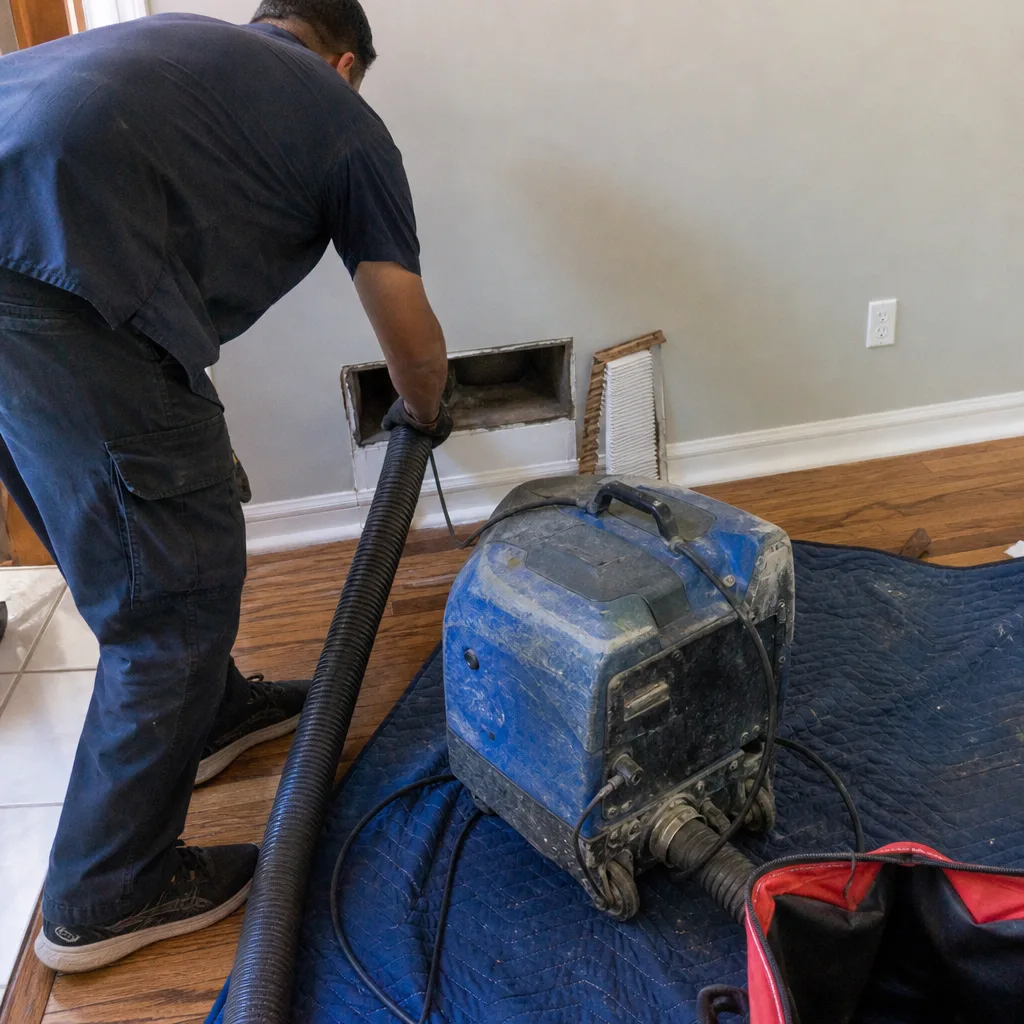 Before
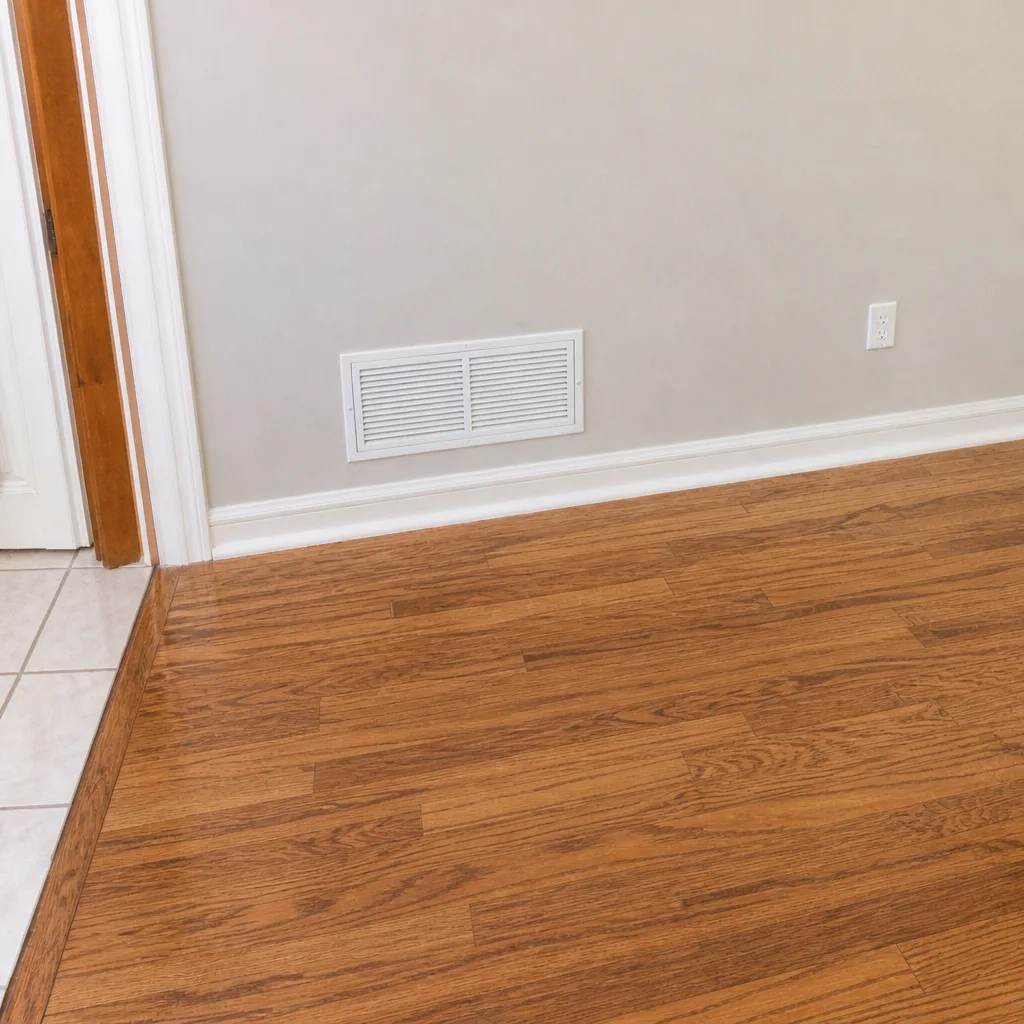 After
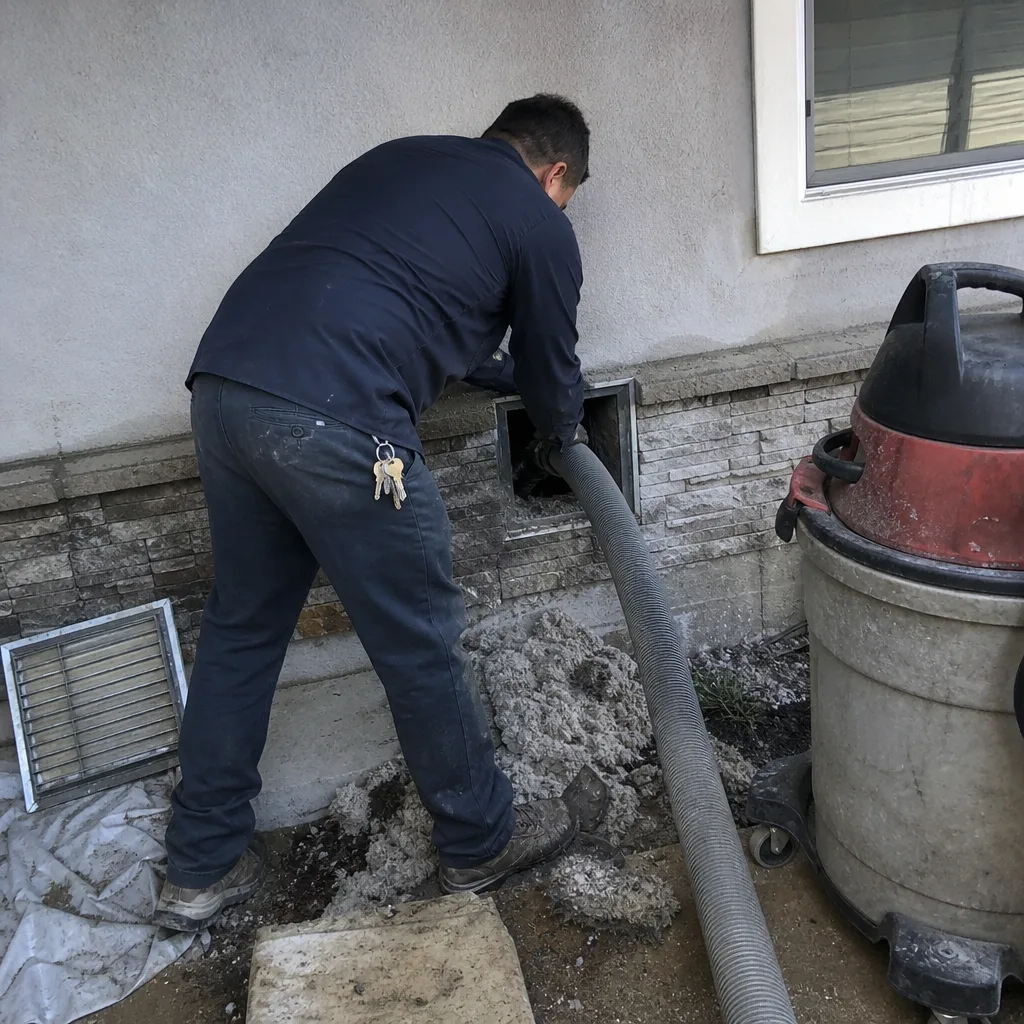 Before
 After
 Before
 After
Frequently Asked Questions
Yes, cleaning the full duct pathway usually removes the source of wildfire smoke odor, because the smell comes from particulate and residue on duct walls and the coil, not from the air itself. Wiping registers or using air fresheners doesn’t fix it. The work involves mechanically scrubbing duct surfaces and containing the dislodged debris on site so it doesn’t recirculate. If microbial growth or persistent odor remains after cleaning, our sanitizing step addresses it at the source. Call (833) 468-5640 for an estimate – estimates are free.
No, cleaning after every quake isn’t the standard. What matters is whether the ground movement affected your duct connections. The practical step is to check airflow at every register against how it performed before the quake. A sudden weak register or a whistle at one vent is a signal to have the system inspected. If the air pathway checks out, cleaning may not be needed.
In warm weather, mold growth can begin on wet duct insulation within days, not weeks. The narrowest window is the first 24 to 72 hours after moisture reaches the duct run. If a leak wet your attic ducts, keep the system off and have the section assessed quickly. A professional can determine whether it needs cleaning, sanitizing, or replacement. Call (833) 468-5640 – estimates are free.
MERV-13 is the practical choice for smoke particulate if your system can handle it, since it captures finer particles than standard filters. Not every HVAC system tolerates the extra airflow resistance, though. We work with Guardsman, Honeywell, and Aprilaire filtration products and can advise on what fits your system without straining the blower. If you’re unsure, call before you switch.
Coverage depends on your policy and the cause of the contamination, not on the cleaning company. The step you control is documentation. Photograph every vent and filter, note whether the HVAC ran during the event, and get a written, itemized scope of work before cleaning begins. We can work with your insurer and provide the estimate and findings in a form your adjuster can use. Call (833) 468-5640 to schedule the assessment.
We price by the job and the complexity of the system, with one flat price per system agreed in writing before work starts – not a per-vent price. That price accounts for the full pathway: HVAC unit, plenum, trunk, and every register, plus repair and sealing if a disconnected or damaged section turns up. There’s no teaser coupon that balloons into a bigger invoice once technicians are on site. Call (833) 468-5640 for a free estimate – estimates are free.
Can I run my HVAC during a wildfire smoke event?
You can in many cases, but do it carefully: set the system to recirculate rather than drawing outside air, use a high-quality filter, and keep windows and doors closed. If you smell smoke at the registers, shut the system off. Running it on a compromised duct system spreads contaminants through the home. If you’re unsure, call (833) 468-5640. We answer 24/7. A call outside dispatch hours is booked into the next opening, Sunday through Friday, 7am to 7pm.
The Bottom Line
The emergencies covered here – wildfire smoke, earthquakes, water intrusion – all have a similar signature inside your ductwork, and all of them are best addressed before you turn the system back on. The pattern to remember: document first, assess second, clean and repair third, then verify with before-and-after photos. Lake Forest homes have specific failure points worth knowing – attic flex connections after a quake, smoke infiltration through the return during a regional fire, and moisture in the attic run after a roof leak. For a full-system cleaning from the HVAC unit to every register, with repair and sanitizing in the same scope, call Lake Forest Air Duct Cleaning Pros at (833) 468-5640 for a free estimate. We answer 24/7. Fast dispatch from 7am to 7pm, Sunday through Friday.
Written by the team at Lake Forest Air Duct Cleaning Pros.