
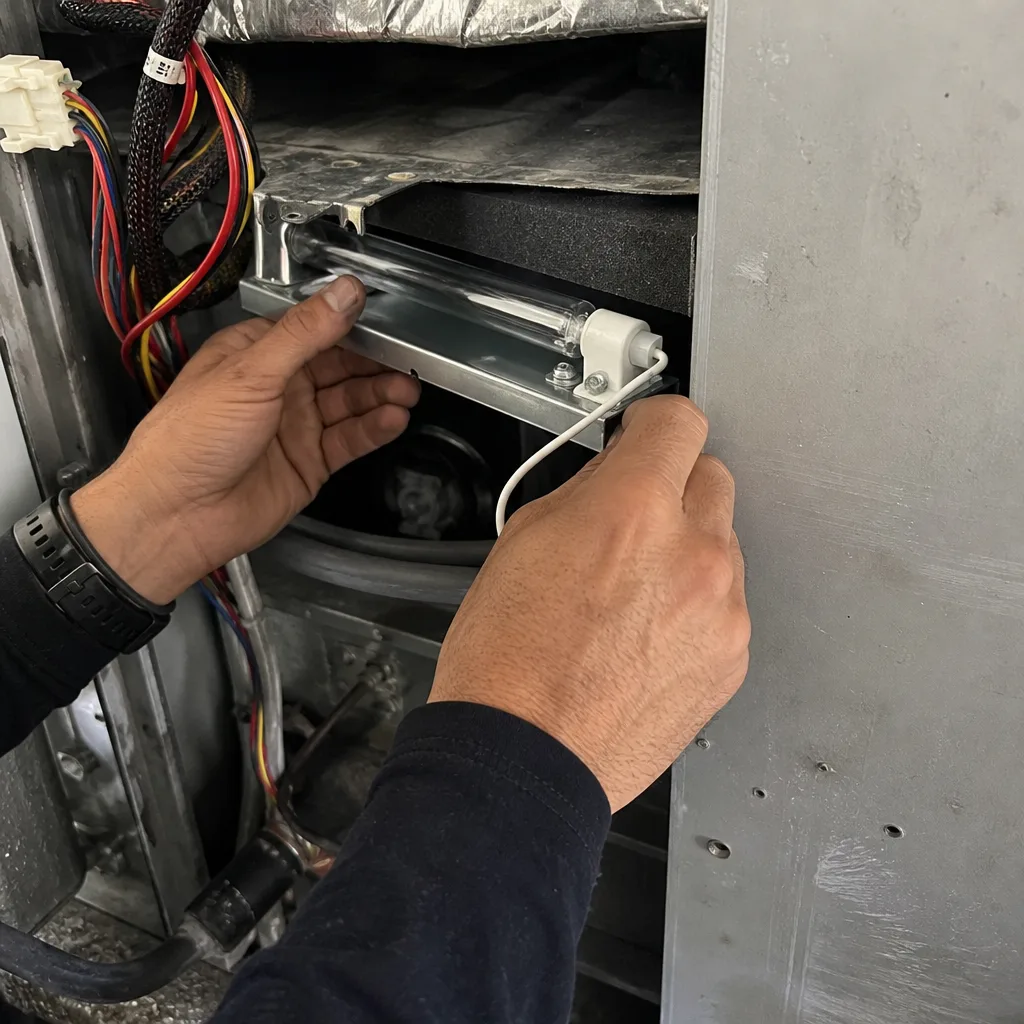
Last updated November 25, 2026
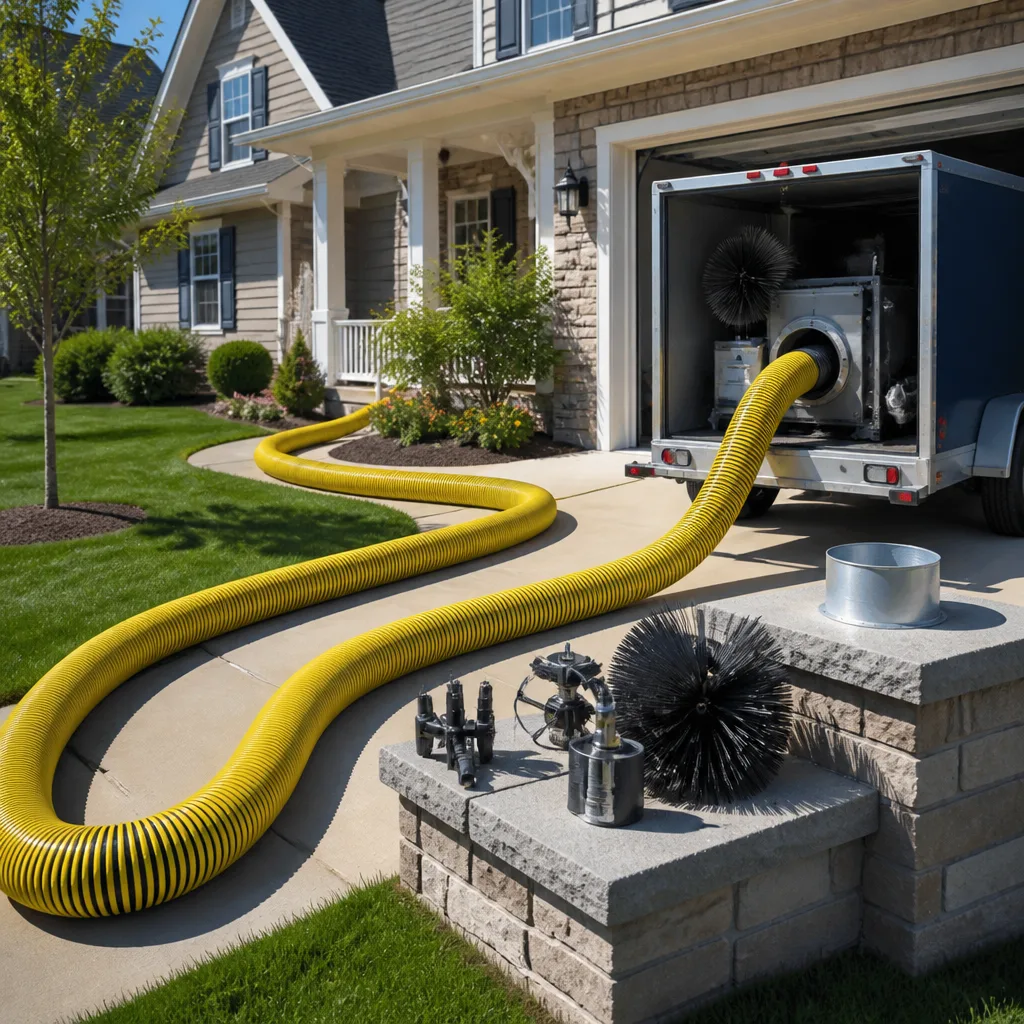 Whole-home duct cleaning
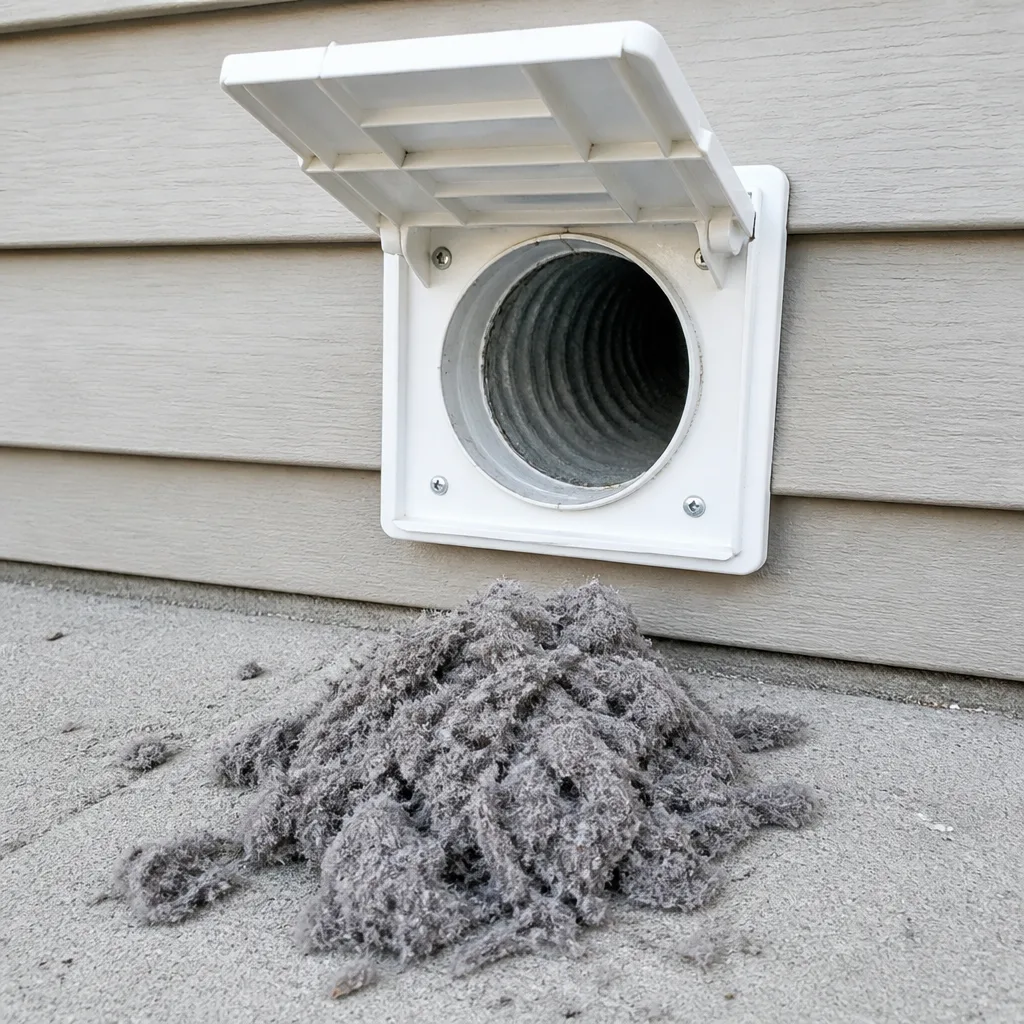 Dryer vent cleaning
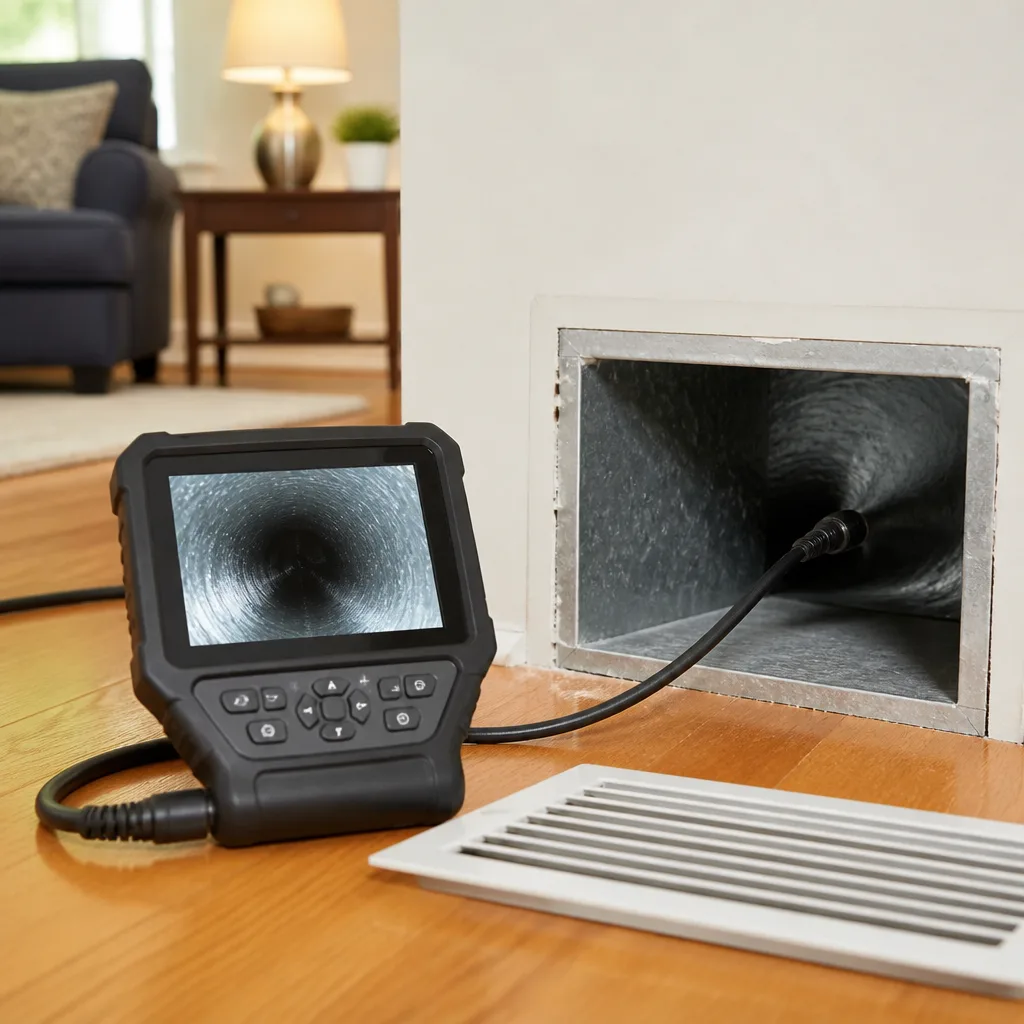 Camera inspection
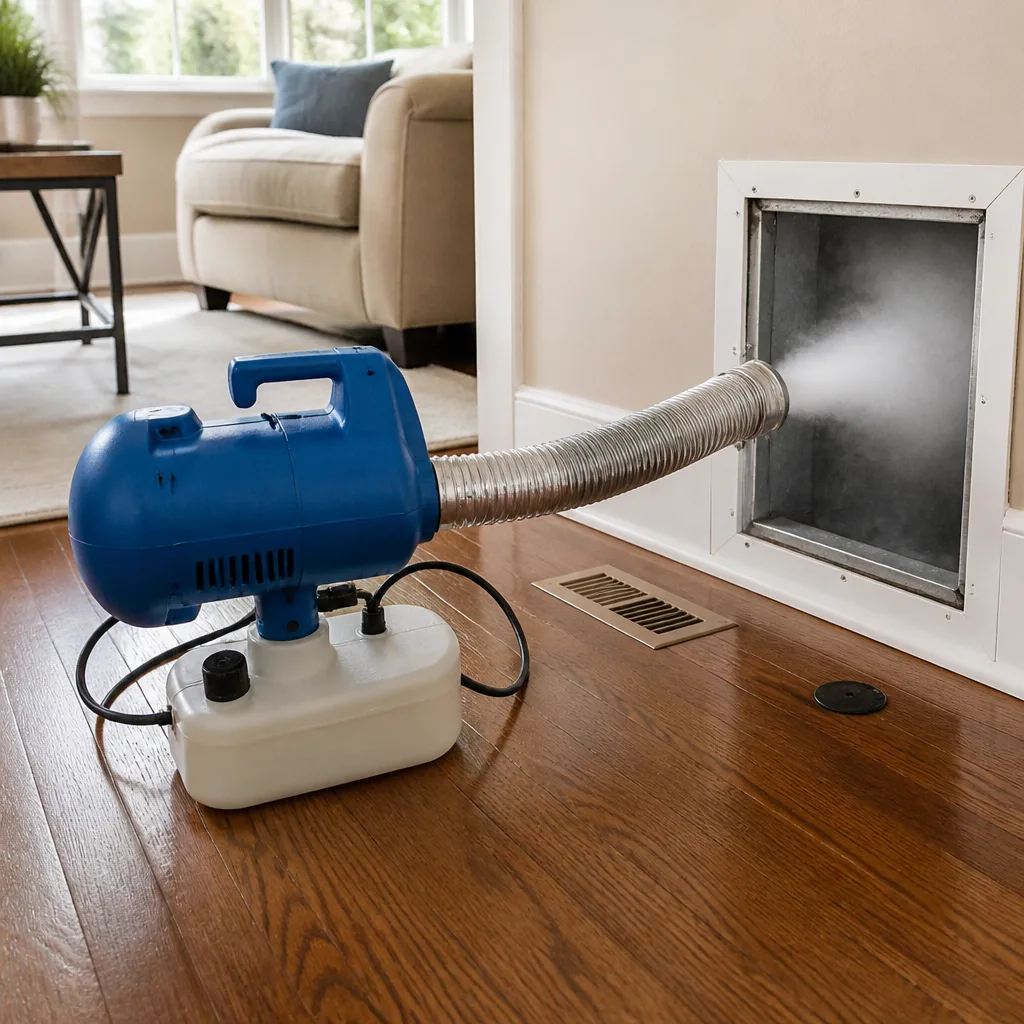 Sanitizing & deodorizing
Whole-system duct and dryer vent check with before-and-after photos - you see exactly what came out of your vents
That "$99 whole-house special" is a bait ad - the real number appears once they are in your hallway, or the "clean" is a shop-vac at the register. We photograph the inside of your ducts before and after instead.
Air Duct Cleaning Cost Breakdown: The Lake Forest Homeowner’s Reference for 2026
Two quotes land in your inbox. One says $89. The other says $650. Both could be fair, and both could be a mistake. The number itself tells you almost nothing, because air duct cleaning pricing is really a scope decision wearing a dollar sign. What separates a bargain from a bait-and-switch is what sits behind the price: which components get cleaned, which get skipped, and what those skipped pieces cost you in airflow and air quality down the road. Most homeowners in Lake Forest never see that scope breakdown, so they can’t compare quotes honestly. This guide reverse-engineers the price. We’ll walk through what you’re actually paying for at each tier, what a $200 to $350 quote typically covers (and doesn’t), which add-ons earn their place, and how to read a line-item quote before you sign it.
Quick Answer
Air duct cleaning in Lake Forest typically runs about $300 to $650 for a full-system job on a standard single-family home, with larger or custom homes landing higher. The price depends far more on scope than on square footage: which supply runs get cleaned, whether the return plenum and air handler are included, how accessible the ductwork is, and whether repair or sanitizing is needed. A quote much below that range usually means something was left out, and the written estimate should always be what sets your final price.
Styles & brands we work with
- Whole-home duct cleaning
- Dryer vent cleaning
- Camera inspection
- Sanitizing & deodorizing
Table of Contents
- What are you actually paying for?
- Cost per component: supply runs, return plenum, air handler, coil, dryer vent
- What $200 – $350 buys vs. what a full-system job includes
- Add-ons with real ROI vs. upsells to skip
- How home size, duct material, and access move the price in Lake Forest
- How to read a duct cleaning quote line by line
- Common mistakes to avoid
- When to call a professional
What Are You Actually Paying For?
You’re not paying for “duct cleaning.” You’re paying for a specific list of components, cleaned to a specific standard, with a specific method, and the mess contained. That’s the whole job. Every legitimate quote is a bundle of those decisions, and every cheap quote is a bundle with pieces removed.
Here’s the mental model we use when we explain a job to a homeowner in Lake Forest. Think of the air pathway as one continuous loop: the HVAC unit pushes conditioned air into the supply plenum, down through the supply trunks and branches, out through every register, and it comes back through the return grilles and return ductwork to the air handler. Dirt settles everywhere along that loop. If a crew cleans only the branches they can reach from the floor registers, they’ve cleaned maybe a third of the system and quoted you for the whole thing.
The other thing you’re paying for is method. There’s a real difference between a shop-vac and a rotary brush system. Professional-grade rotary brush and vacuum equipment, like the Rotobrush and Nikro systems we use, mechanically scrubs the duct walls while a high-powered vacuum pulls dislodged debris out of the system. That’s the standard commercial and industrial contractors work to, and it’s what a fair price reflects.
And then there’s containment. Contaminants pulled loose have to go somewhere. We run Abatement Technologies air filtration on-site so debris is captured during the job instead of drifting back into the rooms. When you compare quotes, ask what method and what containment the price includes. The answer explains the difference in cost faster than any other question.
Cost per Component: Supply Runs, Return Plenum, Air Handler, Coil, Dryer Vent
A duct cleaning quote is built like an invoice for several separate jobs that happen to share one visit. Here’s what each component adds and why it matters. The ranges below are typical estimates for the Lake Forest market, not per-vent prices, and the written estimate you receive sets the final number.
| Component | Typical estimated range | Why it matters |
|---|---|---|
| Supply runs and branches | Included in base scope | The ducts delivering conditioned air to every room. If only some are cleaned, some rooms stay dirty. |
| Return plenum | Often a foundation of the base price | The large ductwork pulling air back to the unit. Usually the dirtiest section in the system. |
| Air handler | Typically $75 – $150 as part of a full job | The blower cabinet. Cleaning it protects the motor and keeps the supply side from recontaminating. |
| Evaporator coil | Typically $75 – $150 added | A dirty coil cuts cooling efficiency and can breed microbial growth. Ask whether it’s included. |
| Dryer vent | Typically $75 – $150 when bundled | A separate pathway, but a leading cause of residential fires. Not always offered by duct-only crews. |
One thing worth saying plainly: a quote that names only “duct cleaning” without listing these components is incomplete by definition. Whether that’s a competitive price or a scope cut depends entirely on which line items appear in the written estimate.
What $200 – $350 Buys vs. What a Full-System Job Includes
A $200 to $350 quote in the Lake Forest market is a real price point, and sometimes it’s honest. More often it reflects a smaller scope: one central trunk, the accessible branches, and a quick pass with a vacuum. If your goal is a light surface clean on a newer system with minimal buildup, that can be reasonable. If you have allergy concerns, a recently purchased home, or a system that hasn’t been touched in years, it leaves the majority of the pathway dirty.
Here’s the practical difference between a lower-tier quote and a full-system job. List them side by side and the scoping gap becomes obvious.
- Branch coverage. A low quote usually cleans the branches reachable without disassembly. A full-system quote commits to every supply run, including the ones running through walls and ceilings that require cutting in and resealing access points.
- Return side. The return plenum is often the dirtiest part of the system because it pulls from every room. Confirm it’s included. Many low quotes exclude it.
- Air handler and coil. These are typically add-ons at the lower tier. A full-system job treats the air handler as part of the pathway and inspects the coil.
- Containment and filtration. Consumer-grade equipment means dust recirculates during the job. Professional containment, like the Abatement Technologies filtration we deploy, keeps it out of your living space.
- Duct inspection and repair. Lower-tier crews clean and leave. A complete job inspects the ductwork for disconnected sections, crushed runs, and leaking joints, and can seal them. That’s a separate skill most duct cleaners simply don’t offer.
- Sanitizing. Only relevant if there’s microbial growth or odor. It’s an add-on, but skipping it when it’s needed means the problem returns.
The downstream cost of a skipped component isn’t abstract. A return plenum left dirty keeps seeding the supply side. A leaking joint keeps pulling attic or crawlspace air into your house. And a disconnected duct silently heats your attic instead of your living room, which shows up on your energy bill every month. When those gaps are discovered later, you end up paying twice: once for the incomplete job and once for the repair.
Add-Ons With Real ROI vs. Upsells to Skip
Not every add-on is a money grab, and not every one is worth it. Some address a real physical problem; others just pad the invoice. Here’s how we’d sort them for a Lake Forest homeowner.
Worth it: sanitizing when there’s a known problem
Sanitizing treatments make sense when the signs point to microbial growth: a musty smell, visible spotting near registers, or a history of moisture in the attic where ductwork runs. Lake Forest’s mild winters mean HVAC systems often run longer cooling seasons than heating seasons, and evaporator coils in high-humidity months can develop growth that sends odors through the house. Address it at the source with a sanitizing treatment, rather than masking it with a filter that just absorbs the smell.
Worth it: duct sealing on leaky systems
Sealing leaky ducts pays for itself over time by keeping conditioned air inside the house. When we clean ductwork and find disconnected sections, crushed runs, or unsealed joints, sealing them restores airflow where it belongs. Duct Repair & Sealing is a core part of what we do, so this doesn’t require calling a second contractor when cleaning turns up structural issues.
Worth it: dryer vent cleaning
Dryer vent cleaning is a separate pathway, but it’s typically included in a full service scope and addresses a leading cause of residential fires. If you’re already scheduling a duct job, bundling it usually costs less than a standalone visit.
Marginal: premium filter upgrades sold with the cleaning
Upgrading to a higher-MERV filter makes sense when the system supports it. It doesn’t make sense as an impulse add-on at the end of a cleaning. If you’re unsure what your system handles, ask. We work with Honeywell and Aprilaire filtration products and can tell you what your existing filter housing supports without overselling a change your system won’t benefit from.
How Home Size, Duct Material, and Access Move the Price in Lake Forest
Two houses of the same square footage can differ by several hundred dollars on a duct cleaning quote. In Lake Forest, the reason usually comes down to three factors.
Home size and duct layout
Larger homes generally have more supply runs and more ductwork, and that’s the direct driver of labor. But layout matters as much as square footage. A single-story tract home in one of the older Lake Forest neighborhoods typically has ductwork that’s simpler to access and clean than a two-story custom build where the main trunk disappears behind drywall and the second-floor branches require extra attention.
Duct material
Sheet metal ducts are scrubbable and respond well to a rotary brush system. Flex duct cannot take the same mechanical contact and requires a more careful, lower-contact approach. Insulated duct board can degrade if hit with the wrong equipment. The material determines the method, and the method determines labor time. When you get a quote, ask what equipment will be used and whether the technician has adjusted the method for your duct type. Rotobrush systems are designed with different heads for different materials, and a crew that names its method is a crew that knows its ductwork.
Access and condition
Access is where a Lake Forest quote can legitimately jump. Systems with difficult attic access, tight mechanical closets, or ductwork buried behind drywall may require cutting access points, and resealing them afterward is part of the job. Poor condition also adds time. A system with disconnected sections, heavy debris, or crushed runs takes longer to clean properly and may need repair before the cleaning can be completed.
If a quote is higher than expected, ask the technician which of these three factors is driving it. A quote that can’t explain itself is a quote to walk away from. If a quote seems unusually low, ask which components are excluded, and check whether the price changes once the technician is on-site. A flat price per system, agreed before work starts, is the most reliable form of cost protection you can get.
How to Read a Duct Cleaning Quote Line by Line
The written estimate is the contract. Reading it carefully before you sign is the single best way to avoid a bait-and-switch. Here’s the step-by-step process we’d recommend to anyone in Lake Forest comparing duct cleaning quotes.
- Check the scope list. The quote should name each component: supply runs, return plenum, air handler, evaporator coil (included or explicitly optional), and dryer vent. If “duct cleaning” appears alone as one lump line, ask for a breakdown before you agree.
- Confirm the standard. Look for the source removal standard (NADCA’s ACR standard is the industry reference) or ask which standard the crew follows. A quote that doesn’t reference any standard is a surface clean dressed up as a full cleaning.
- Confirm the method and equipment. Ask whether the crew uses a rotary brush and vacuum system and what containment they run. This is where the real cost difference lives, and a straight answer is a good sign the crew takes the job seriously.
- Check for hidden add-ons. Look for line items that appear only after the technician arrives: per-vent charges, re-inspection fees, or “discovered” repair needs. A legitimate quote is settled before work begins.
- Ask how access and resealing are handled. If the quote includes cutting into drywall for hard-to-reach branches, confirm who reseals the access points. That’s part of the job, not an extra.
- Ask for written confirmation of the final price. A flat price per system, agreed in writing before work starts, means no surprises once the crew is on-site. If a company won’t commit to that, that’s your answer.
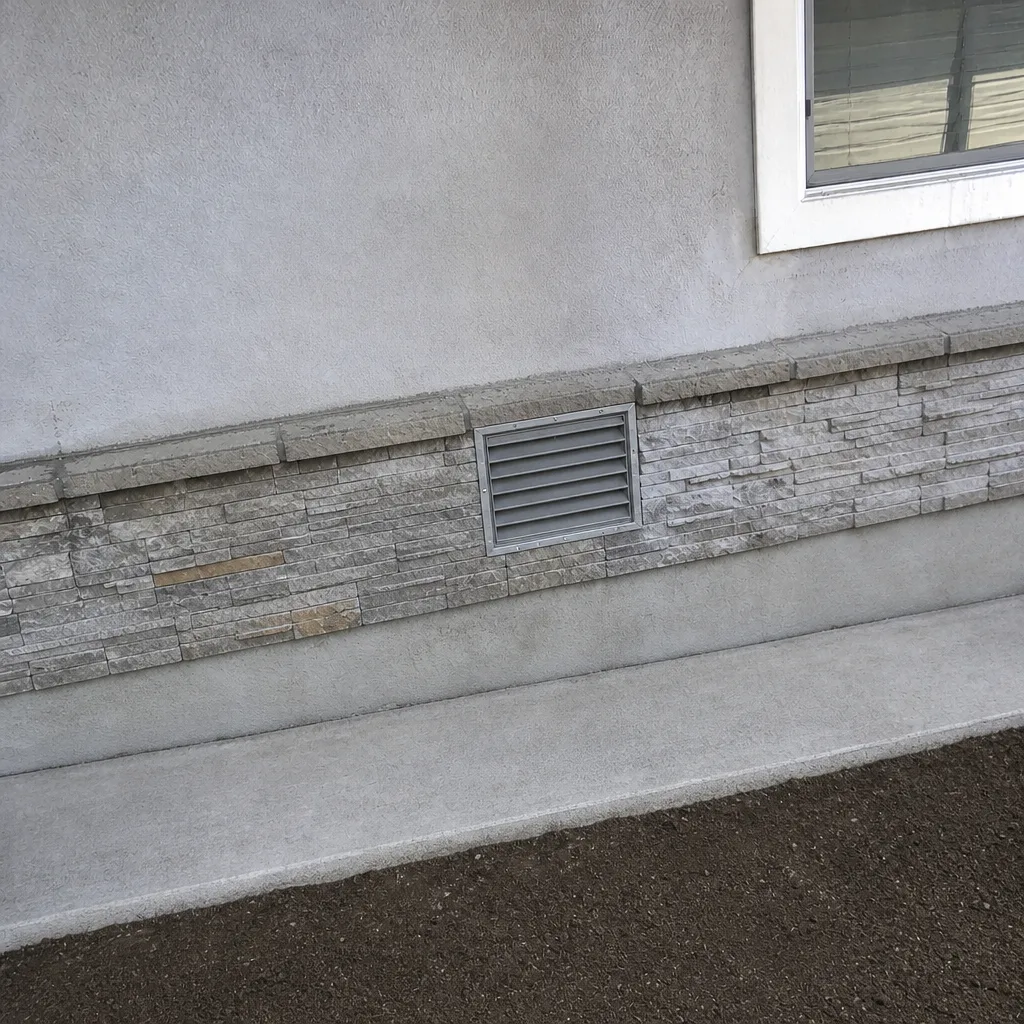
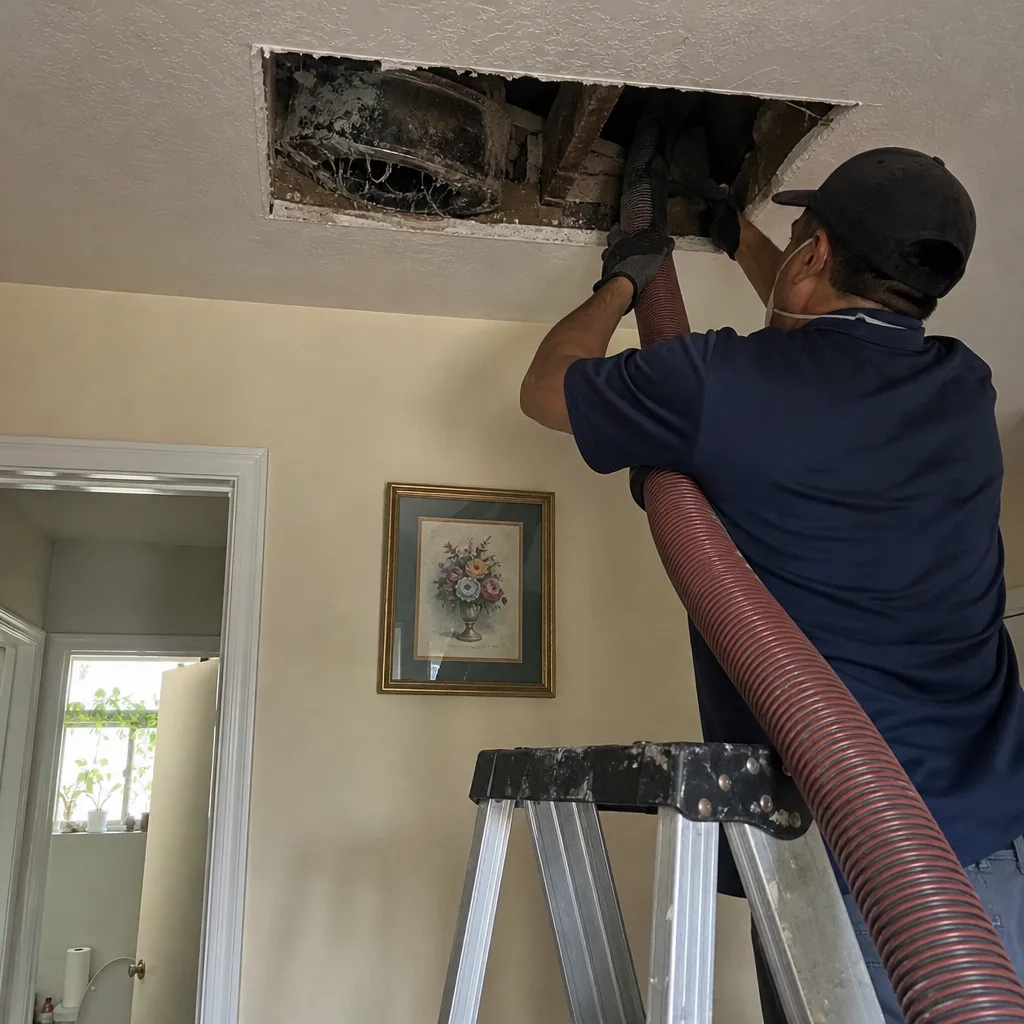
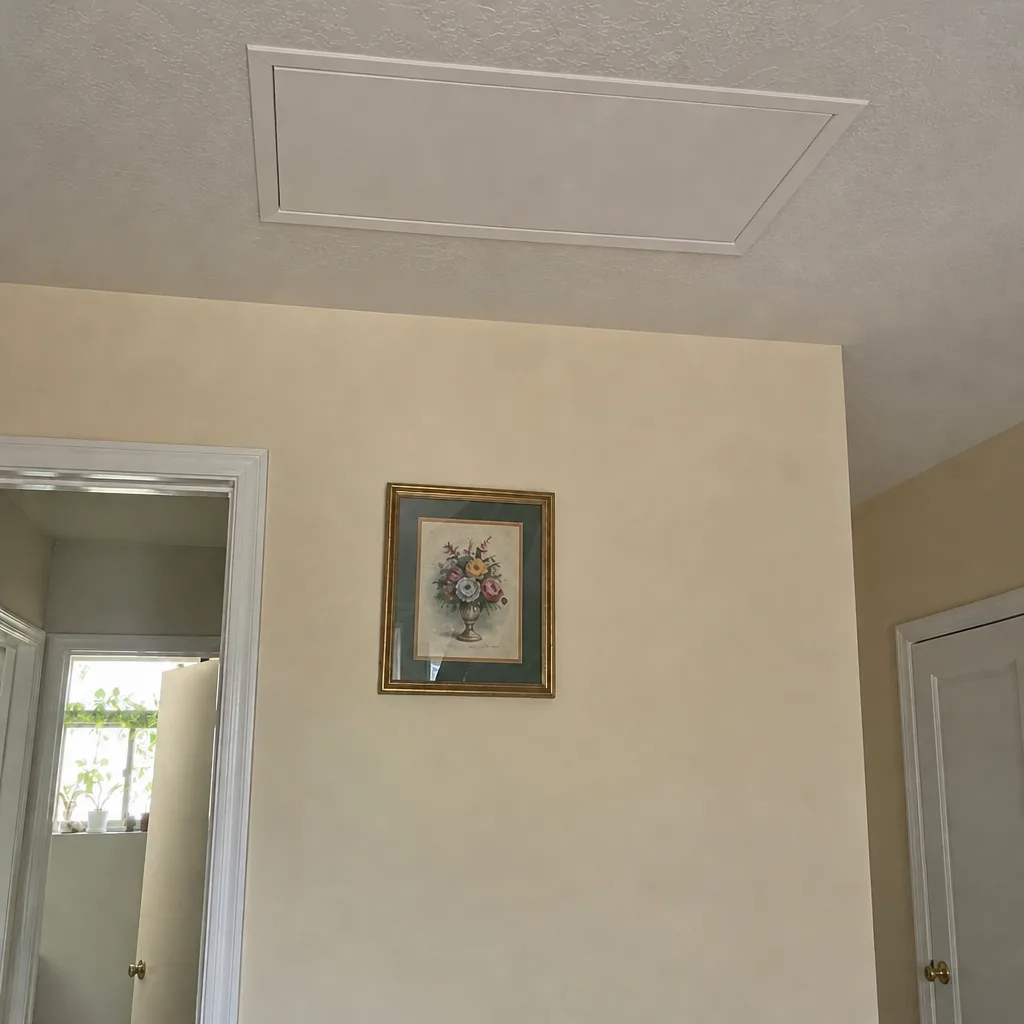
One more item: ask whether the crew photographs the ductwork before and after. Photos are the simplest test of whether a cleaning actually happened. Before-and-after images of your own ducts, not a stock library, tell you what was done and where.
Common Mistakes to Avoid
- Comparing quotes without comparing scope. A $250 quote and a $600 quote for the same house aren’t the same product unless the line items match. Ask for the component breakdown on every quote you receive, not just the total.
- Assuming the return side is included. The return plenum is often the dirtiest part of the system and often excluded from lower-tier quotes. If it isn’t listed, ask before you book.
- Accepting a per-vent price. Per-vent pricing invites confusion because the count changes on-site. Whole-system pricing, agreed in writing, is the cleaner arrangement.
- Skipping containment and paying for it in dust. If the crew doesn’t run professional filtration during the job, dislodged debris recirculates into your home. Ask what containment equipment they use before the truck parks.
- Treatment without diagnosis. Sanitizing a system whose odors come from a wet coil or a hidden moisture problem won’t fix the smell. Ask what’s causing the odor before you pay for a treatment.
- Ignoring the dryer vent because “it’s not HVAC.” The dryer vent is a separate pathway from your HVAC system, and it’s a leading cause of residential fires. Many HVAC-only crews won’t touch it, so ask specifically.
- Not asking about the ductwork condition after the job. If cleaning reveals a disconnected section or a leaking joint, you want a crew that can fix it. Ask upfront whether they handle duct repair and sealing, or whether you’ll need to call a second contractor.
When to Call a Professional
Some duct conditions are obvious. Others only show up when someone with a camera and the right equipment looks inside the system. Here’s when it’s worth a professional inspection and cleaning in Lake Forest:
- A recent move into a home whose duct history you don’t know
- Recent renovation or remodeling, which sends drywall dust and construction debris through the system
- Musty or stale odors that come back even after you’ve changed the filter
- Visible debris or dark spotting at the registers
- Uneven airflow: rooms that never warm up or cool down the way the rest of the house does
- Allergy or asthma symptoms that get worse indoors
- Dryer that takes longer than it should to dry a load
If any of those sound familiar, an inspection and cleaning is worth scheduling. Lake Forest Air Duct Cleaning Pros offers free estimates in Lake Forest, and the estimate should include a walkthrough and a written scope before you commit to anything. Call (833) 468-5640 to schedule.
See the difference
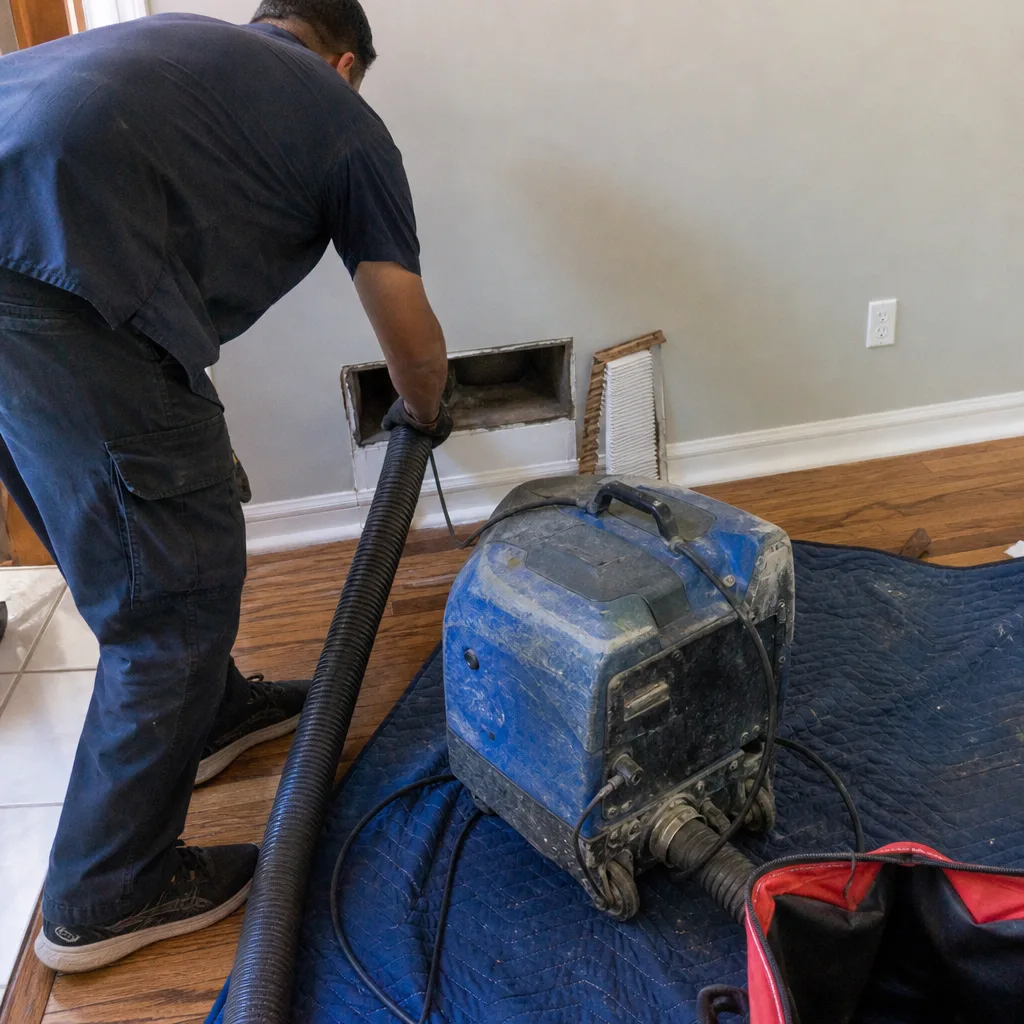 Before
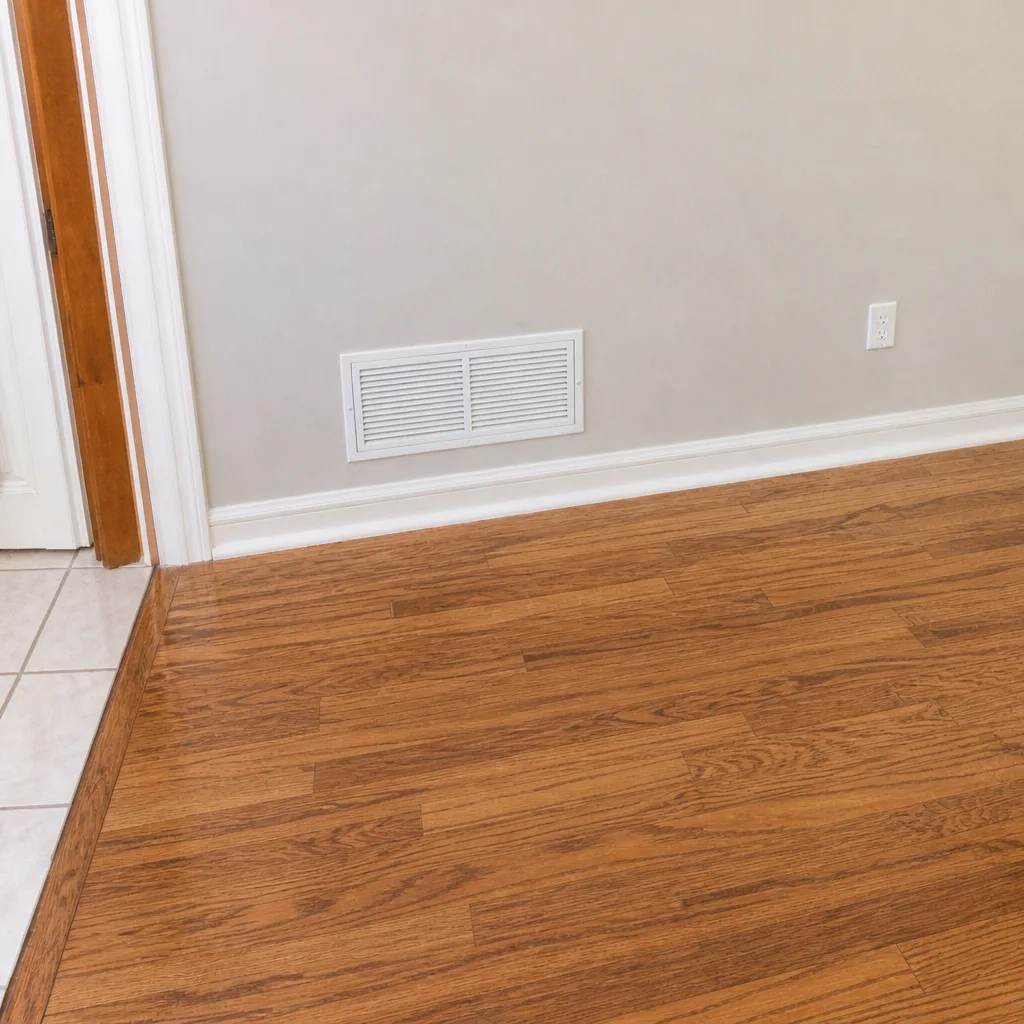 After
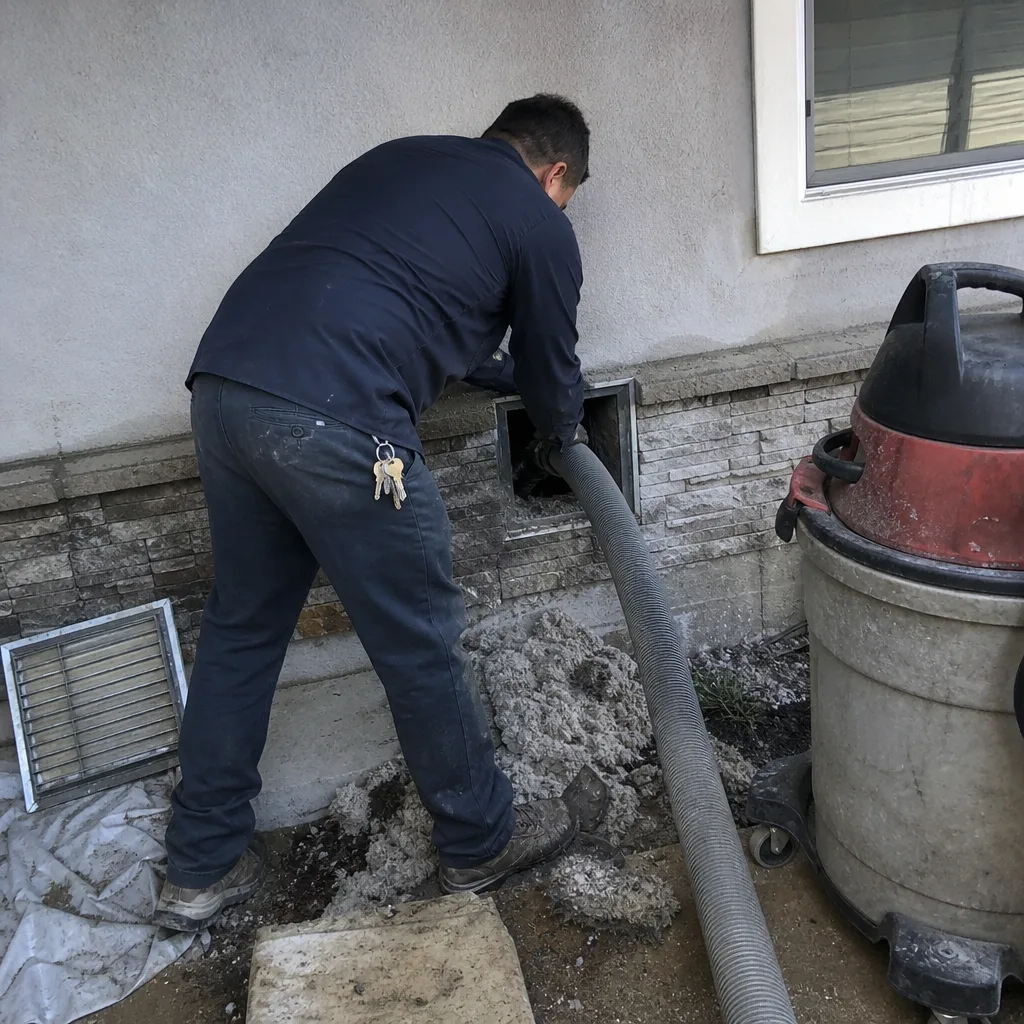 Before
 After
 Before
 After
Frequently Asked Questions
Most full-system air duct cleaning in Lake Forest runs about $300 to $650 for a standard single-family home, with larger or custom homes landing higher. The price is driven by which components are included and how accessible the ductwork is, not by square footage alone. The written estimate sets the final price, and estimates should be free. Call (833) 468-5640 for an exact quote.
Cheap quotes are usually cheaper because less is included: fewer supply runs, no return plenum, no air handler, and consumer-grade equipment instead of a rotary brush and vacuum system. A lower price can be fair if the scope fits your situation, but compare line items, not totals. If a quote won’t spell out its scope in writing, that’s the reason it’s low. Call (833) 468-5640 for a written, itemized estimate.
Ask for before-and-after photos of your own ductwork, and ask what equipment the crew used. A crew that runs professional-grade rotary brush and vacuum equipment with on-site containment will have a clear answer to both. Before-and-after images of your system, not a stock photo, are the simplest proof. Call (833) 468-5640 to schedule a free estimate.
Most homes don’t need annual cleaning. Every three to five years is a reasonable general guideline for a typical home, and cleaning is worth doing sooner if you’ve just moved in, renovated, noticed musty odors, or have allergy concerns. If your household has those factors, an inspection is worth the free estimate. Call (833) 468-5640 to schedule.
Dryer vent cleaning is a separate pathway from your HVAC ductwork, so it isn’t automatically part of an air duct cleaning quote. It’s often bundled with a duct cleaning visit, and it’s worth asking about because a clogged dryer vent is a leading cause of residential fires. Ask whether it’s included in the written estimate. Call (833) 468-5640 to confirm scope.
No. A $200 to $350 quote can be honest for a newer home with minimal buildup and limited scope. What matters is whether the scope matches your situation, and whether the quote names the components. A quoted price that’s higher than another isn’t automatically better either; the line items are what you should compare. The written estimate should settle the question before work begins. Call (833) 468-5640 for a free estimate with a full scope breakdown.
The Bottom Line
A duct cleaning price is only meaningful when you can see what’s inside it. Component by component, the difference between a low quote and a full-system job is the return plenum, the air handler, the coil, the dryer vent, containment filtration, and whether the crew inspects and can repair the system afterward. Home size, duct material, and access all legitimately move the price in Lake Forest’s mix of tract homes and custom builds. Read every quote line by line, confirm the equipment and containment, ask about before-and-after photos, and insist on a flat price per system in writing. That’s what makes a quote comparable, whether it’s $250 or $650.
If you’d like a free, itemized estimate from a Lake Forest team that cleans, repairs, and seals the full air pathway with Rotobrush and Nikro equipment and Abatement Technologies containment on-site, call (833) 468-5640. We answer 24/7. Fast dispatch from 7am to 7pm, Sunday through Friday.
For the full scope of what we handle, see Lake Forest Air Duct Cleaning Pros, our air duct cleaning, dryer vent cleaning, and HVAC cleaning services.
Written by the team at Lake Forest Air Duct Cleaning Pros.