
Last updated November 25, 2026
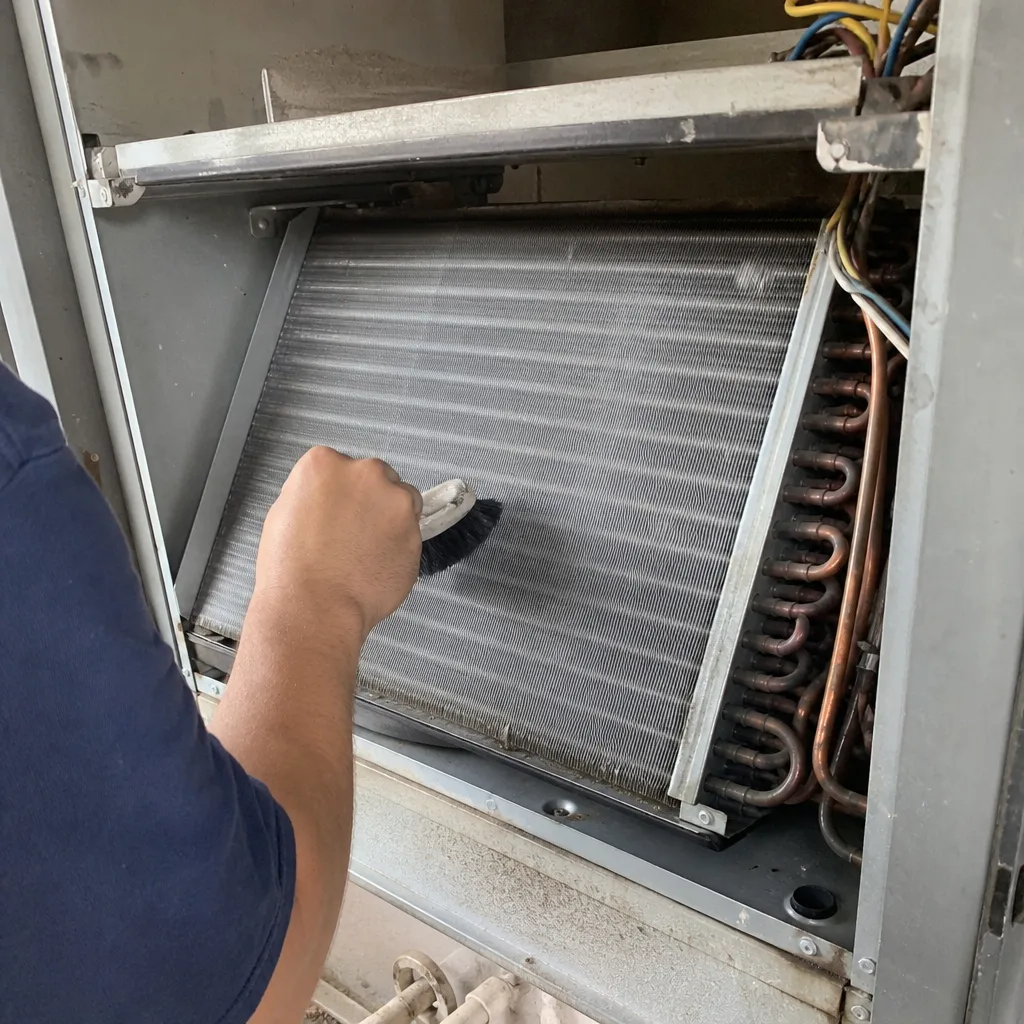
 Whole-home duct cleaning
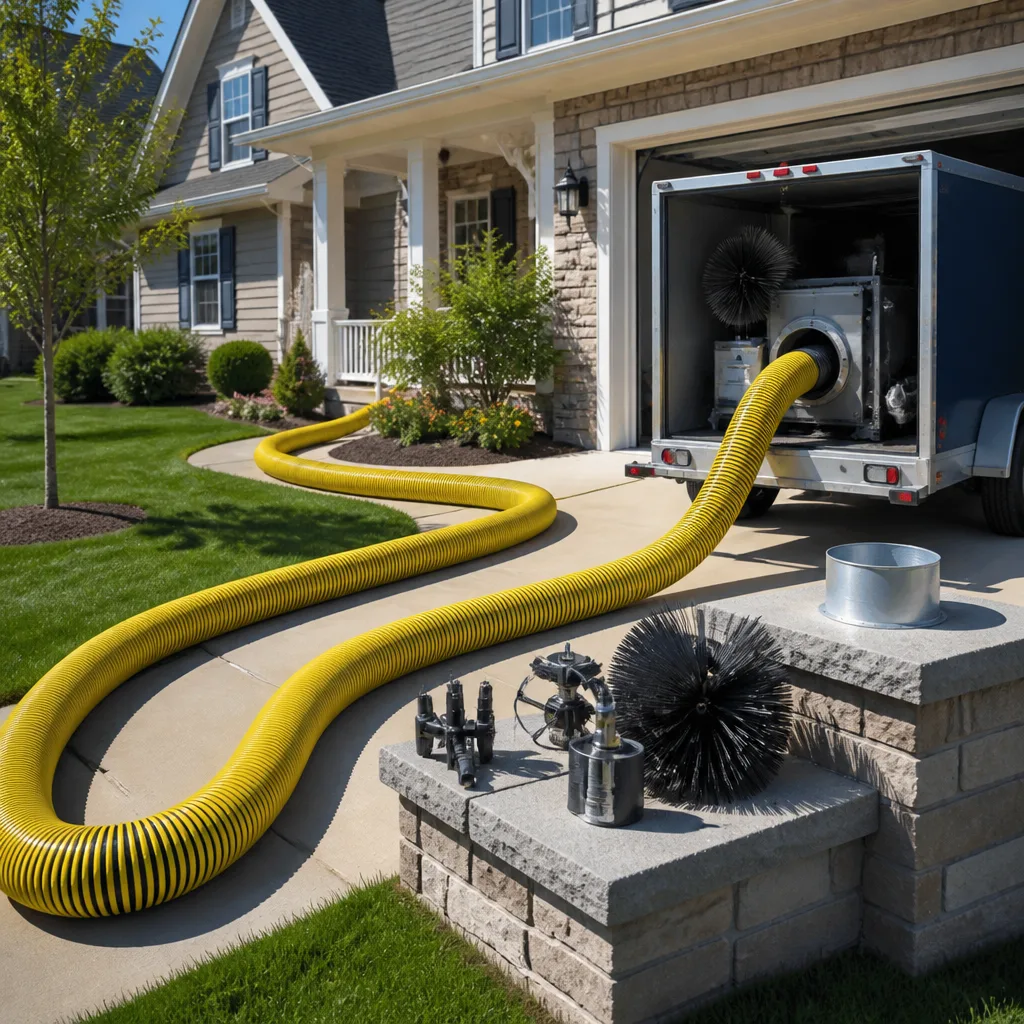
 Dryer vent cleaning
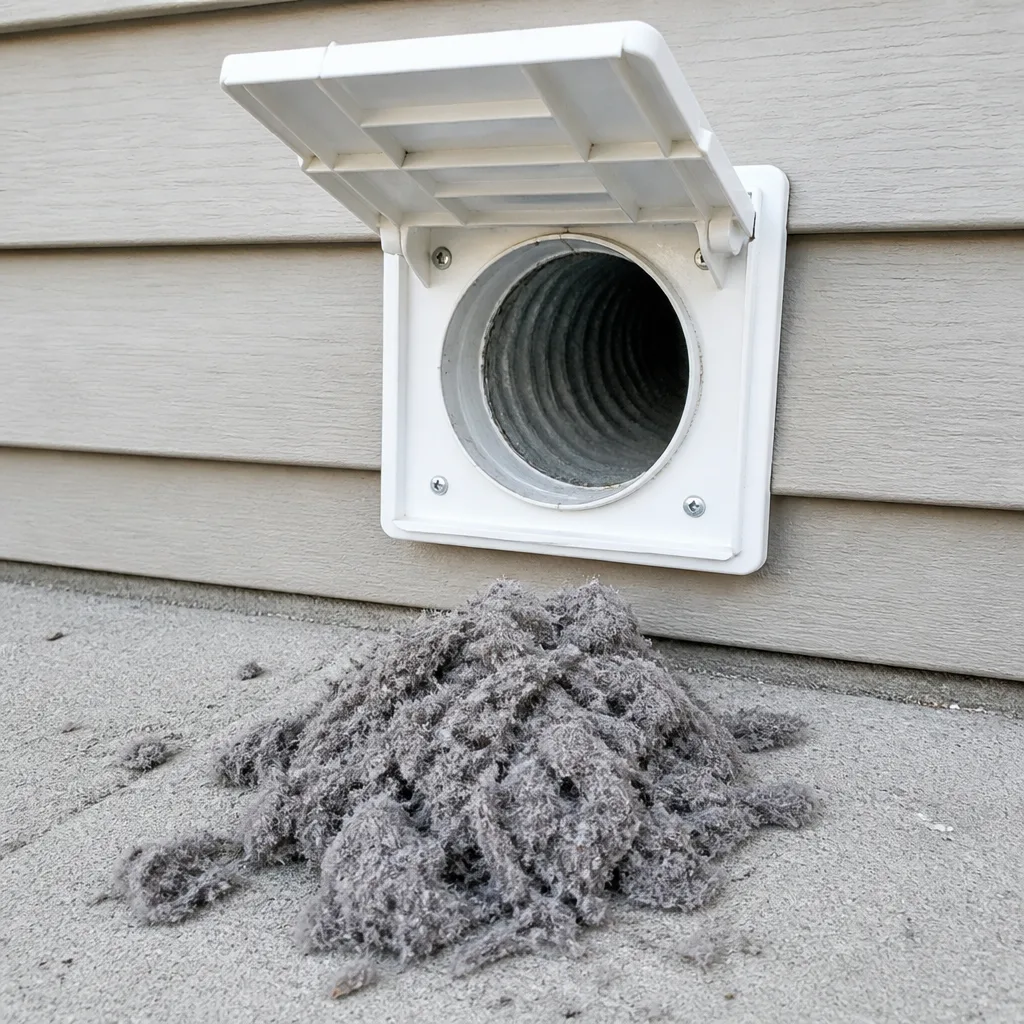
 Camera inspection
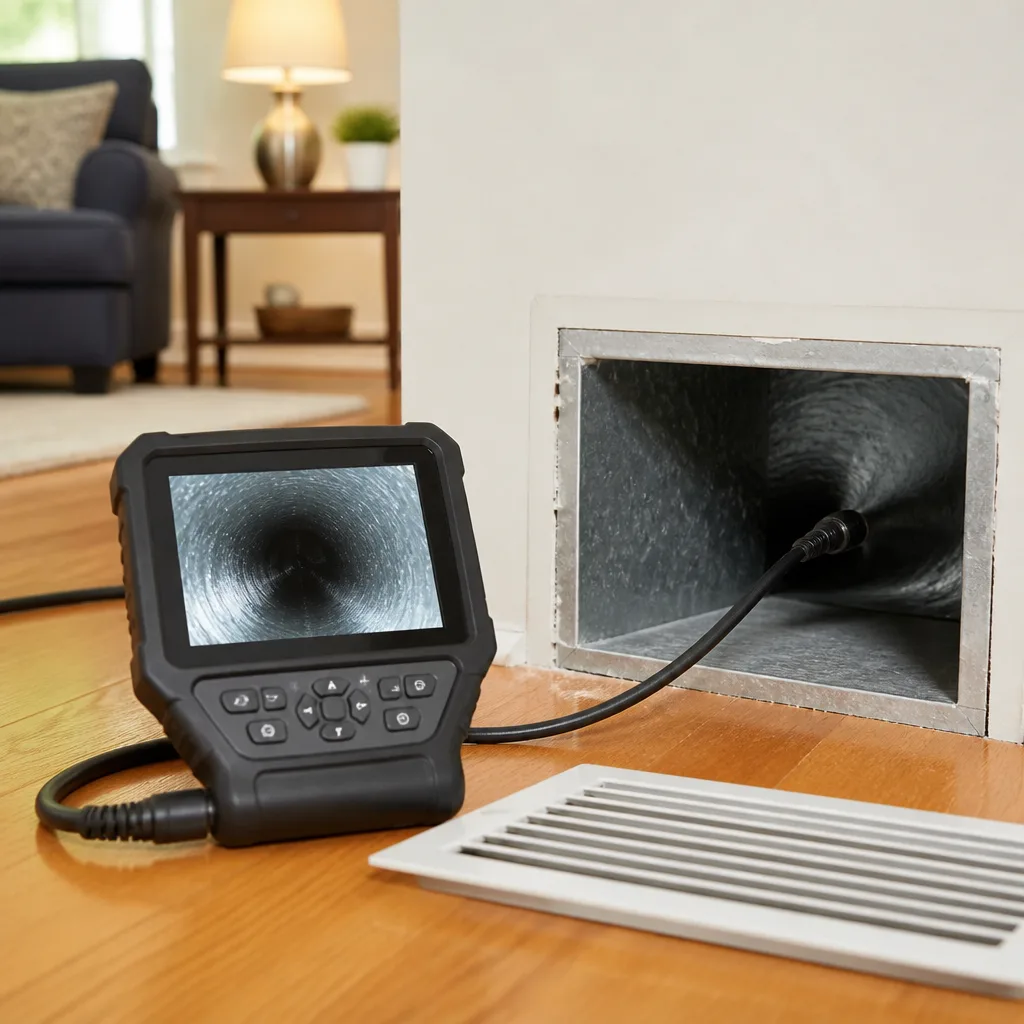
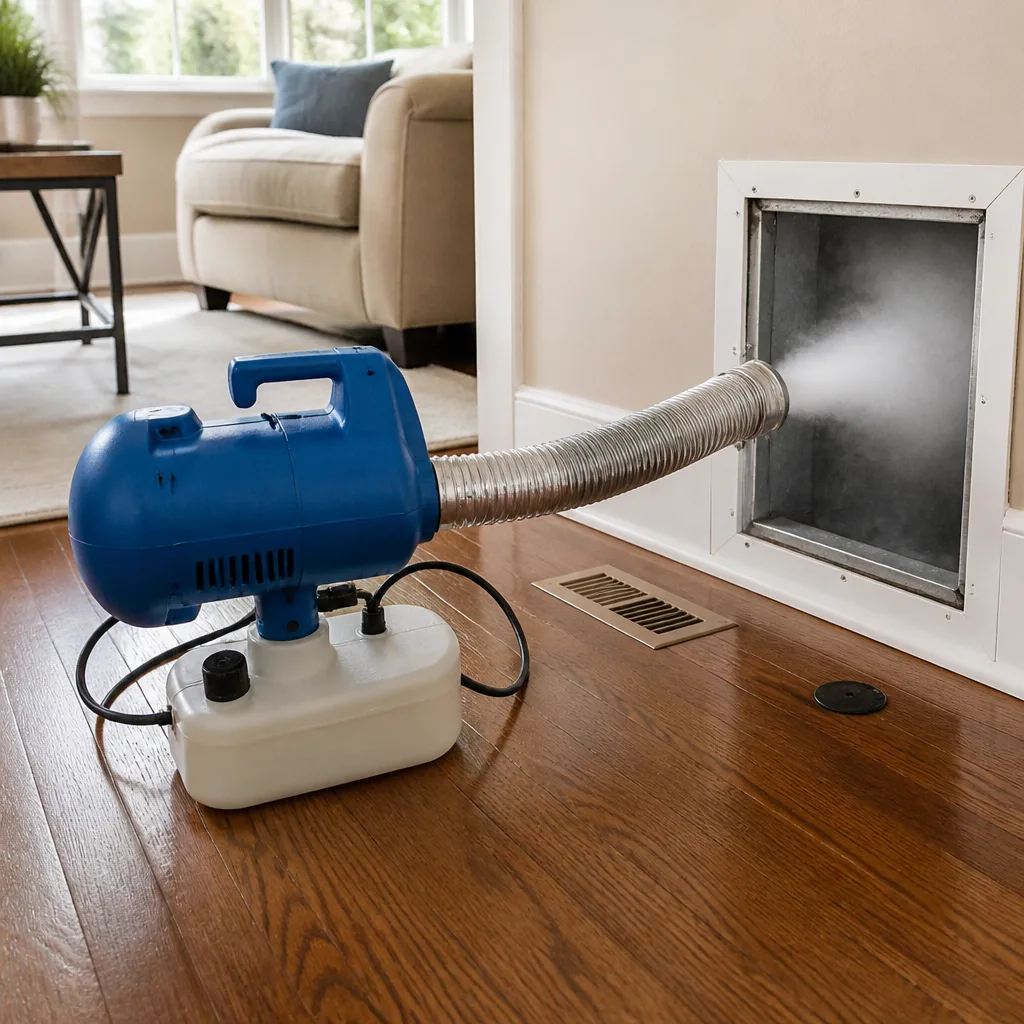 Sanitizing & deodorizing
Whole-system duct and dryer vent check with before-and-after photos - you see exactly what came out of your vents
That "$99 whole-house special" is a bait ad - the real number appears once they are in your hallway, or the "clean" is a shop-vac at the register. We photograph the inside of your ducts before and after instead.
DIY vs Professional Air Duct Cleaning: The Lake Forest Homeowner’s Decision Guide
The most common DIY duct cleaning mistake isn’t doing it wrong. It’s disturbing settled debris without the negative pressure to capture it. Once that dust, lint, and insulation fiber lifts off the duct wall, a shop vac that can’t pull a real vacuum on the system has nowhere to put it, so it drifts out of every gap and register into rooms the contamination never reached. We’ve watched a weekend project turn a light cleaning into a full remediation more than once around Lake Forest. This guide walks through which tasks you can genuinely handle yourself, where DIY goes wrong fast, and how to decide which side of the line your home sits on.
Quick Answer
Homeowners can safely handle register cleaning, filter changes, and clearing lint at the exterior dryer vent. Anything upstream of the registers, meaning the branch runs, the main trunk, the plenum, and the air handler, should go to a professional with commercial-grade negative-pressure equipment. In Lake Forest, where inland heat and a long dry season keep HVAC systems running hard, that distinction matters more than it does in cooler climates.
Styles & brands we work with
- Whole-home duct cleaning
- Dryer vent cleaning
- Camera inspection
- Sanitizing & deodorizing
Table of Contents
- What DIY duct cleaning can genuinely handle
- Why consumer shop vacs make duct contamination worse
- Scenarios where DIY creates professional remediation jobs
- The real cost comparison: rental, time, and probability
- A decision flowchart for your duct situation
- What a full professional clean actually involves
- Lake Forest-specific factors that affect your decision
- Common mistakes to avoid
- When to call a professional
What DIY duct cleaning can genuinely handle
Some duct-related tasks are well within reach for a careful homeowner. We say that plainly because it builds trust, and because pretending everything requires a truck is how this industry earned its reputation. Here’s the honest short list of what you can do yourself without special equipment:
- Register removal and washing. Pop the grilles off, soak them in warm soapy water, scrub the fins with a soft brush, and let them dry fully before reinstall. The register surface is where most visible dust collects, and it’s also the easiest thing to clean.
- Filter swaps. Changing your furnace or return filter on schedule is the single highest-value DIY task in the whole system. Match the MERV rating to what your equipment calls for rather than buying the thickest one on the shelf.
- Exterior dryer vent lint clearing. Pull the lint trap every load and clear the exterior flapper of accumulated lint. This one matters for fire safety, not just airflow.
- Visible surface dusting at the register face. Wipe down the ceiling around each supply and return, since dust caked there will fall back into the register the moment the system kicks on.
All four of these are reasonable weekend work for a homeowner in Lake Forest with a step stool and an hour. None of them touch the inside of the duct pathway. That’s where the conversation changes.
Why consumer shop vacs make duct contamination worse
A shop vac pulls air. A professional duct cleaning system creates negative pressure across the whole duct network. Those are not the same operation, and the difference explains almost every horror story about DIY gone wrong.
When you insert a shop vac hose into a register or a return boot, the vacuum draws from the nearest opening. Air rushes in from the register you’re working on, but the rest of the duct system is still connected to the house. Any debris you disturb upstream isn’t captured. Instead, the shop vac’s airflow creates a small positive pressure pulse in the branch runs, pushing loosened particulate away from the intake and out through the nearest leak. That leak is usually a poorly sealed joint, a disconnected flex connection, or a register in another room.
This is why “cleaner air after DIY duct cleaning” is often the opposite of what actually happens. Sediment that sat undisturbed for years on the duct floor is now airborne in the living space. In a tight, well-insulated Lake Forest home, that dust has nowhere to go but into the indoor air your family breathes.
Professional equipment works the other way. Our Rotobrush rotary brush system mechanically scrubs the duct wall while the extraction unit maintains continuous negative pressure on the entire pathway. Debris is physically dislodged and immediately captured. Our Abatement Technologies air filtration runs on-site during the job, so even the fine particulate that escapes the extraction stream is contained rather than recirculated. That’s the mechanical reason a professional clean works and a shop-vac attempt often makes things worse.
Scenarios where DIY creates professional remediation jobs
Three specific failure modes account for most of the calls we get after a homeowner has tried this themselves. Each involves creating a new problem while trying to solve the original one.
1. Flex duct punctures
Flex duct has a thin, plastic-jacketed inner liner wrapped in insulation. A rotary brush head designed for rigid metal duct will tear that liner in seconds. Once the liner is punctured, the duct leaks conditioned air into the attic or crawl space continuously, and it pulls unfiltered air from wherever the leak is located. A home with a flex-duct system should never see a rotary brush pushed through it by an untrained hand. Repairing that puncture requires duct repair and sealing, which is exactly the kind of job our team handles as a core service rather than farming out to a second contractor.
2. Disturbed mold
If mold is growing inside a duct, agitating it without proper containment releases a concentrated cloud of spores into the living space. That’s not a cleaning problem anymore, it’s a contamination event. Sanitizing treatments and containment must come before the mechanical agitation, not after. Professional work sequences it correctly because the technician checks for microbial growth before starting.
3. Dislodged insulation facing
Older ductwork in Lake Forest homes built in the 1970s and 1980s often has an internal insulation liner with a foil or fiberglass facing. That facing degrades over time. Disturbing it with the wrong brush sends fiberglass particles into the airstream. It also loosens the liner from the duct wall, creating a flap that blocks airflow. The fix is a duct repair, not a cleaning.
Every one of these is preventable. None of them is fixable with a shop vac and a weekend.
The real cost comparison: rental, time, and probability
The sticker price of DIY looks lower than a professional estimate. Once you factor in the parts that don’t show on the rental receipt, the math shifts. Here’s what to actually tally before you decide:
| Line item | DIY attempt | Professional full-system clean |
|---|---|---|
| Equipment | Shop vac rental, brushes, hose adapters | Included in the quoted price |
| Time | A full weekend for one homeowner, minimum | Half a day to a full day for the crew |
| Coverage achieved | Registers and whatever the hose can reach | From the HVAC unit to every register |
| Debris containment | None. Shop vacs exhaust fine dust back into the room | Abatement Technologies filtration on-site, plus continuous negative pressure |
| Probability of a follow-up call | High if flex duct, mold, or degraded insulation is present | Low. Any structural issue is addressed during the same visit |
| Additional work triggered | Punctured flex, dislodged liner, or mold disturbance | Duct repair and sealing priced into the written estimate if needed |
The real variable isn’t the rental cost. It’s the probability that your DIY attempt turns into a duct repair job. Since most duct cleaners won’t quote duct repair, that follow-up call usually means a second contractor and a second trip. On the professional side, air duct cleaning and duct repair live under one roof, so the scope is set once. For a Lake Forest home with older ductwork, the probability of needing repair is the number that should drive your decision.
A decision flowchart for your duct situation
Run through this in order. The first “no” usually points to a professional clean. A “yes” to any of the last three points to it even more clearly.
- Is the visible contamination limited to the register face and the return grille? If yes, DIY register cleaning and a filter change will cover it. If no, move to the next step.
- Is your system running on rigid metal ductwork with no flex connections? If yes, DIY risk is lower but coverage from a shop vac is still minimal. If no, DIY risk goes up sharply; flex punctures are common. Move on.
- Have you noticed a musty or “dirty sock” smell when the system starts? You may be looking at microbial growth. A professional full-system clean with sanitizing treatment is the appropriate first step before any investigation. Do not agitate it yourself.
- Is the home more than 25 years old, or did you recently finish a renovation? Both situations produce a sediment load that a shop vac can’t remove. Professional extraction is the realistic answer. In Lake Forest, the older homes around the Rancho Canada area and the El Toro corridor often fall into this category.
- Has anyone in the household reported new or worsening allergy or asthma symptoms tied to the system running? That’s a medical-adjacent question, which means it deserves a documented, contained clean. Book a professional estimate rather than guessing.
- Has any duct or HVAC cleaning been done on the property in the last three to five years? If yes, an annual or biennial filter change is likely enough. If no, this is a professional job.
- Would you be comfortable with a second remediation call and a two-contractor sequence if something goes wrong? For most homeowners, no. That’s the real answer to “can I clean my own ducts?”
What a full professional clean actually involves
Understanding the professional process is the best way to compare it to a DIY attempt honestly. Here’s what actually happens during a proper full-system clean.
- Inspection. Before any equipment runs, the technician maps the system: which registers connect to which branch, where the air handler sits, whether the ductwork is rigid, flex, or a mix. We look for signs of microbial growth, water intrusion, and disconnected sections.
- Containment and negative pressure. A commercial extraction unit ties into the system, and the air filtration runs to capture fine particulate. The whole duct network is put under real negative pressure so debris is removed, not pushed around.
- Mechanical agitation. Our Rotobrush rotary brush system scrubs duct walls mechanically, from the plenum out to each register. A second pass uses a Nikro system to reach branches and tight corners the primary brush can’t.
- Extraction and inspection. Debris is pulled out through the extraction unit and contained. The technician inspects the cleaned surfaces and flags any structural issues: loose liner, disconnected flex, damaged rubber joints.
- Duct repair and sealing. This is where most duct cleaners stop. We seal what’s leaking, reconnect what’s disconnected, and repair what’s damaged. A clean duct that still leaks conditioned air into the attic isn’t finished.
- Sanitizing. Where microbial growth or persistent odor is present, we apply a sanitizing treatment that addresses the source rather than masking the smell.
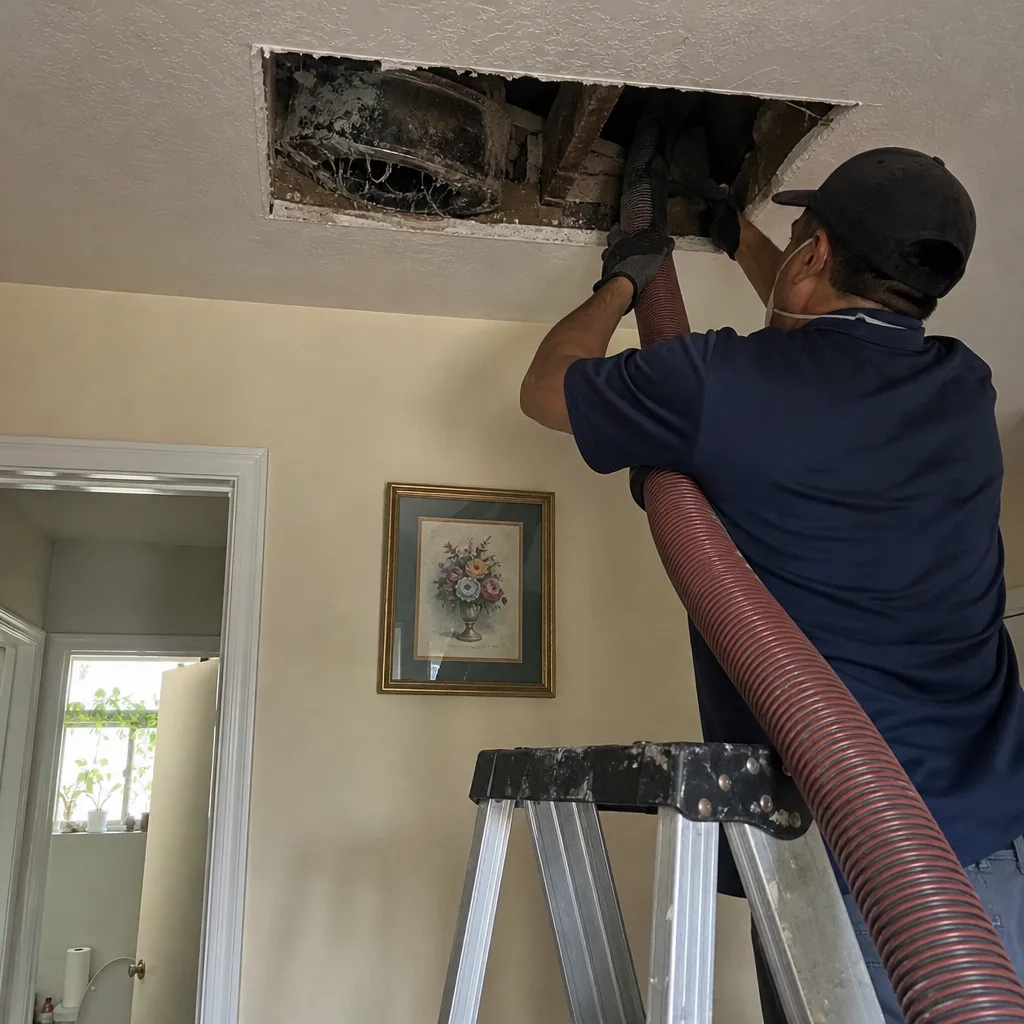
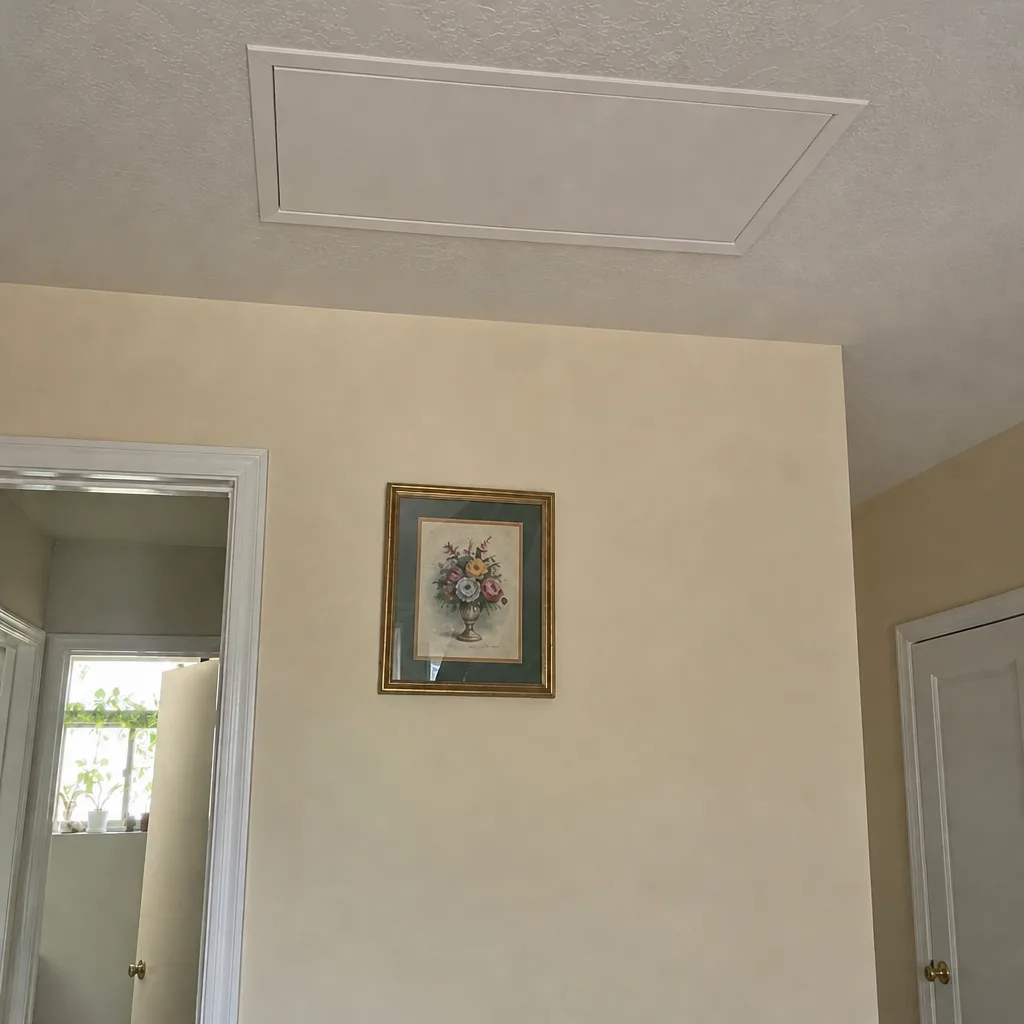
- Documentation. Before-and-after photos of your own ducts. You see what was removed and what the duct walls look like on the way out, which is a level of transparency a DIY attempt can’t produce.
We handle non-duct components in the same visit. Dryer vent cleaning is a separate but related system, and it’s one we cover because it’s a leading cause of residential fires and too often skipped by HVAC-only cleaners. HVAC cleaning covers the air handler itself: the blower, the coil face, the drain pan. Dryer vent cleaning clears the exhaust line from the dryer boot to the exterior flapper. From the HVAC unit to every register, one appointment covers the full pathway.
Lake Forest-specific factors that affect your decision
Lake Forest sits inland in south Orange County, which changes the duct-cleaning conversation in a few ways that don’t apply to homes near the coast.
Summers here run hot and dry, so HVAC systems in Lake Forest run long cycles for more of the year than they would five miles west. That extended runtime means more air volume moving through the ducts annually, which accelerates sediment accumulation and makes filter discipline more important. A homeowner in Foothill Ranch who skips a filter change for two seasons sees more buildup than someone in a comparable coastal home would. The dry air also means dust lifts easily from register faces and settles back into returns faster.
Housing stock matters too. Lake Forest has a wide range: older homes from the 1970s and 1980s around the El Toro corridor and near the Lake Forest Sports Park, newer construction in Baker Ranch, and mid-age tracts in between. Older ductwork is more likely to have damaged flex, degraded insulation facing, or disconnected joints. If you’re in a home built before the mid-1990s and haven’t had the ducts inspected, that’s the strongest argument for a professional evaluation over a DIY attempt.
Renovations are the other trigger. Kitchen and bathroom remodels in Lake Forest kick up a huge volume of drywall dust, and if the HVAC runs during construction, that dust finds its way into returns and settles through the system. A post-renovation full-system clean is the realistic cleanup, and a homeowner with a shop vac can’t touch the depth of sediment a remodel leaves behind.
If you’re comparing options in Lake Forest, we recommend starting with a free estimate rather than picking a coupon. The full scope of your system should be understood before price. Our team can walk your ductwork, look at the air handler, and give you a written estimate for the actual work. Lake Forest Air Duct Cleaning Pros covers the full pathway: ducts, dryer vent, HVAC, repair and sealing, and sanitizing.
Common Mistakes to Avoid
- Using a shop vac on a furnace return without sealing the openings. The vacuum exhaust blows fine dust straight back into the room. If you must use a shop vac for register dust, do it with the system off and the register removed, on the surface only.
- Running the HVAC during DIY cleaning. The blower will pull disturbed particulate into the rest of the system in minutes. Keep the system off if you’re touching anything near the ducts, and give the dust time to settle before restarting.
- Pushing a rotary brush into flex duct. The inner liner tears easily. Any brush cleaning on a flex-duct branch needs a technician who knows the difference between metal and flex branching.
- Spraying sanitizer or deodorizer into a musty-smelling register. This masks the smell without addressing the microbial source. If there’s a persistent odor when the system starts, the growth is upstream and needs to be found.
- Skipping the filter change because the ducts were “just cleaned.” A clean duct system without a clean filter recovers its load quickly. Change the filter on schedule regardless of duct cleaning status, and match the MERV rating to your equipment.
- Ignoring a duct that won’t hold its shape. A collapsed or disconnected flex joint isn’t something to push back together by hand. It needs a proper connection and seal, or it will leak again the first time the system runs.
- Choosing a company purely on price. The cheapest quote in Lake Forest usually means the dryer vent isn’t included, the repair isn’t covered, and no before-and-after photos are taken. The scope should be in writing before the price gets decided.
See the difference
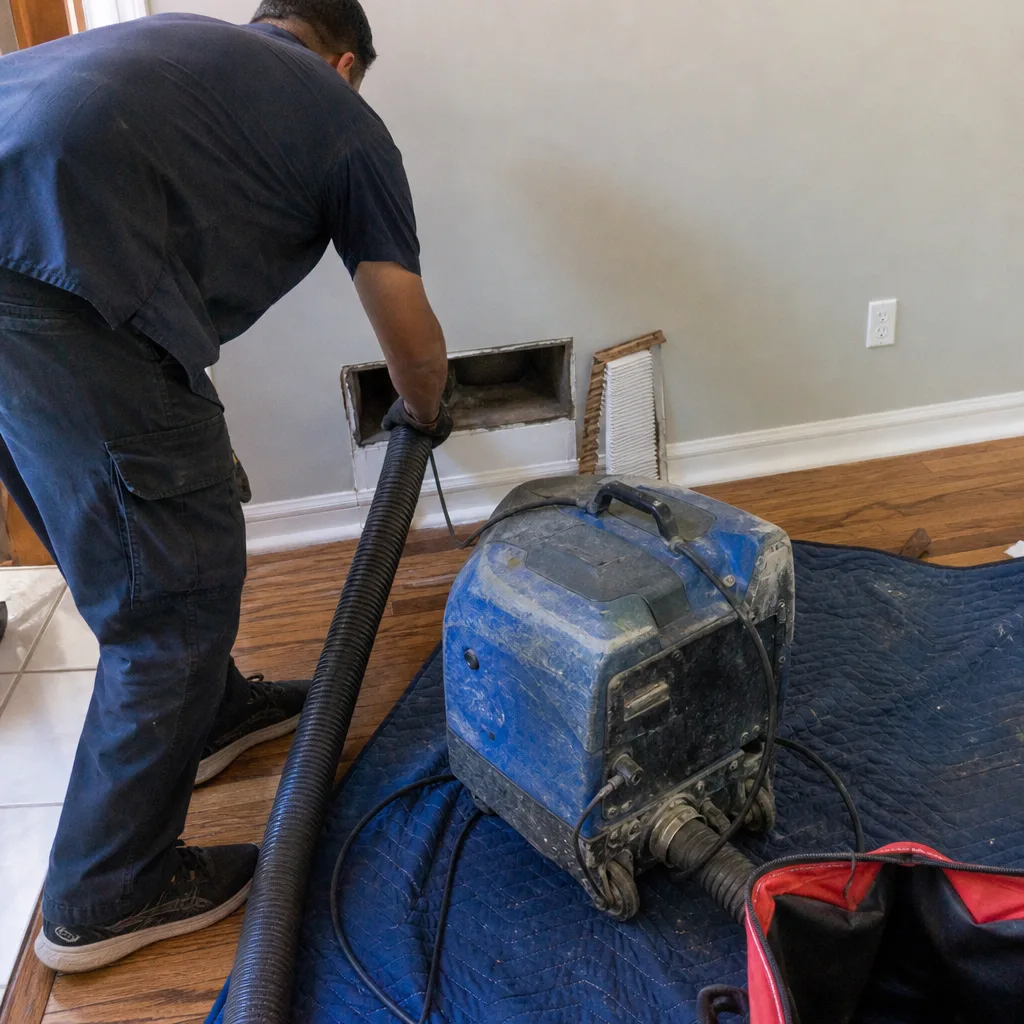 Before
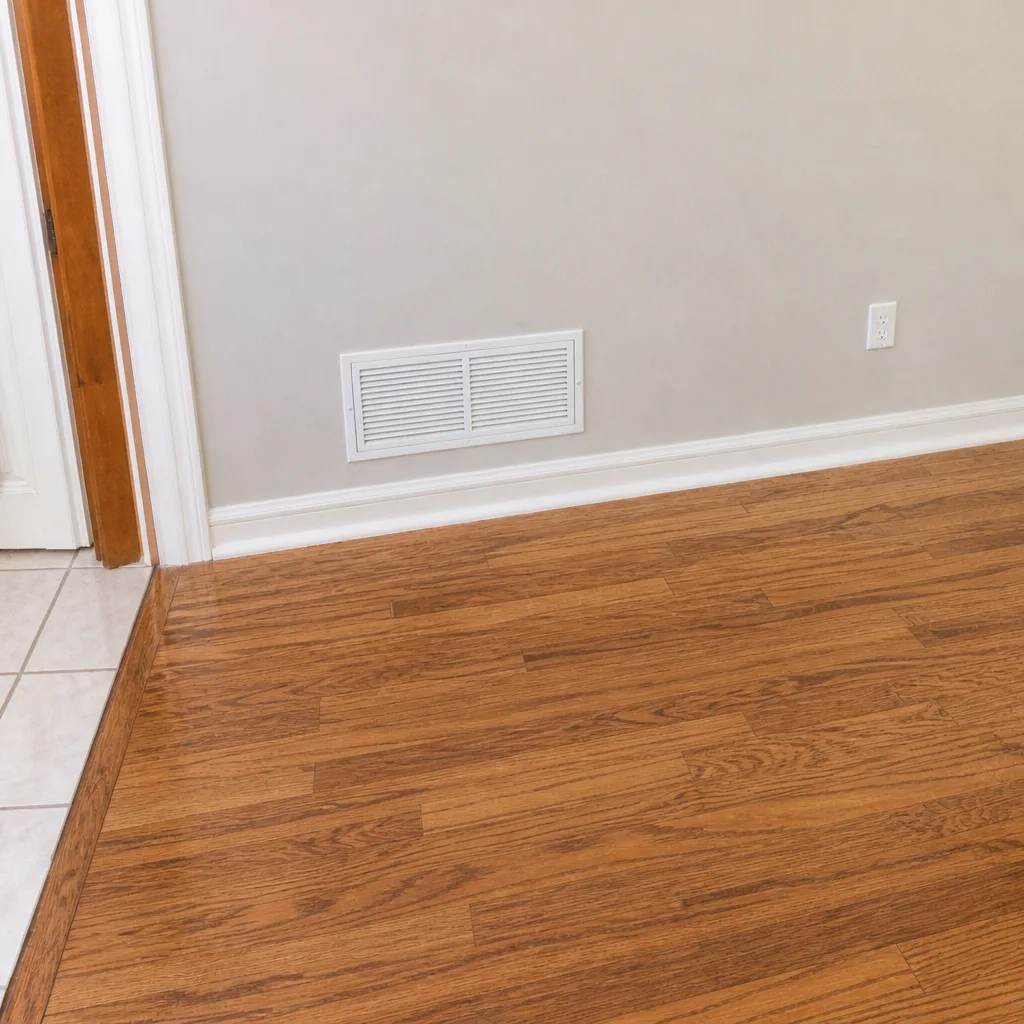 After
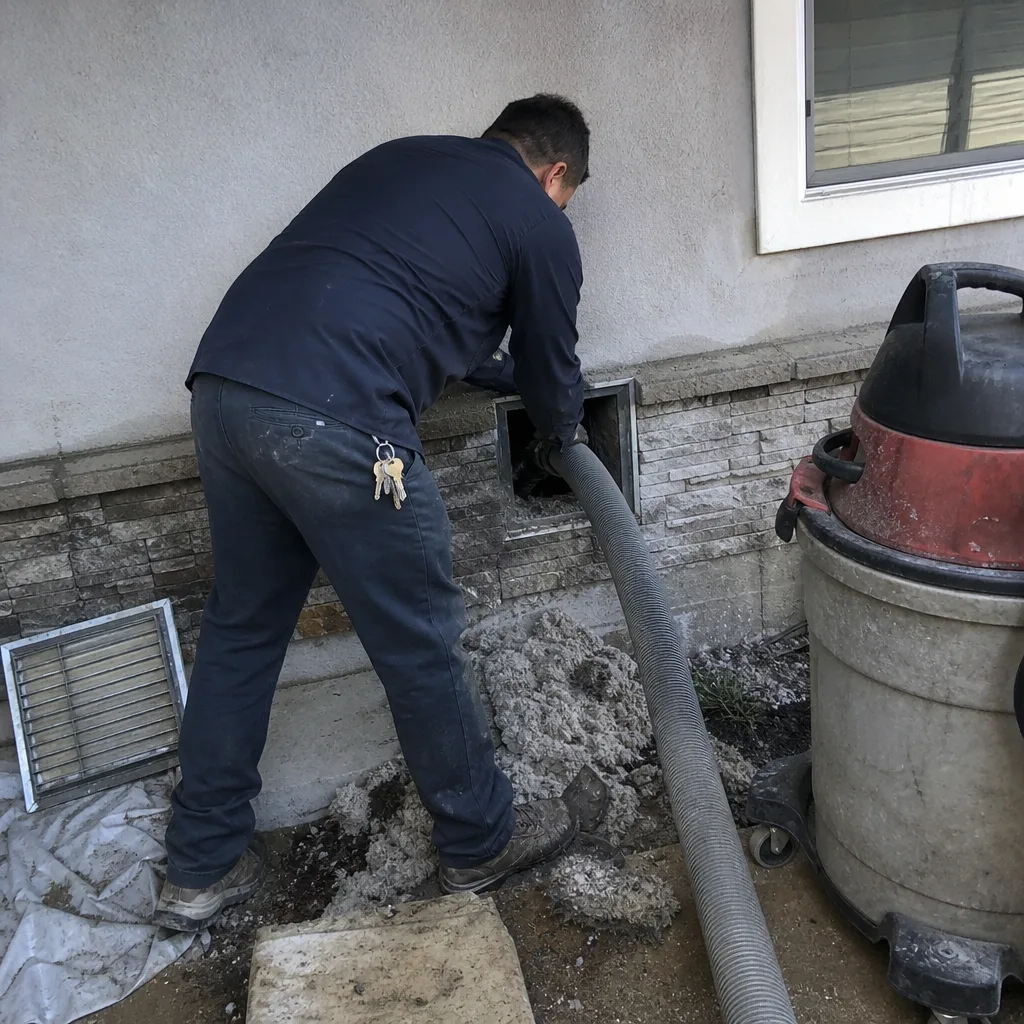 Before
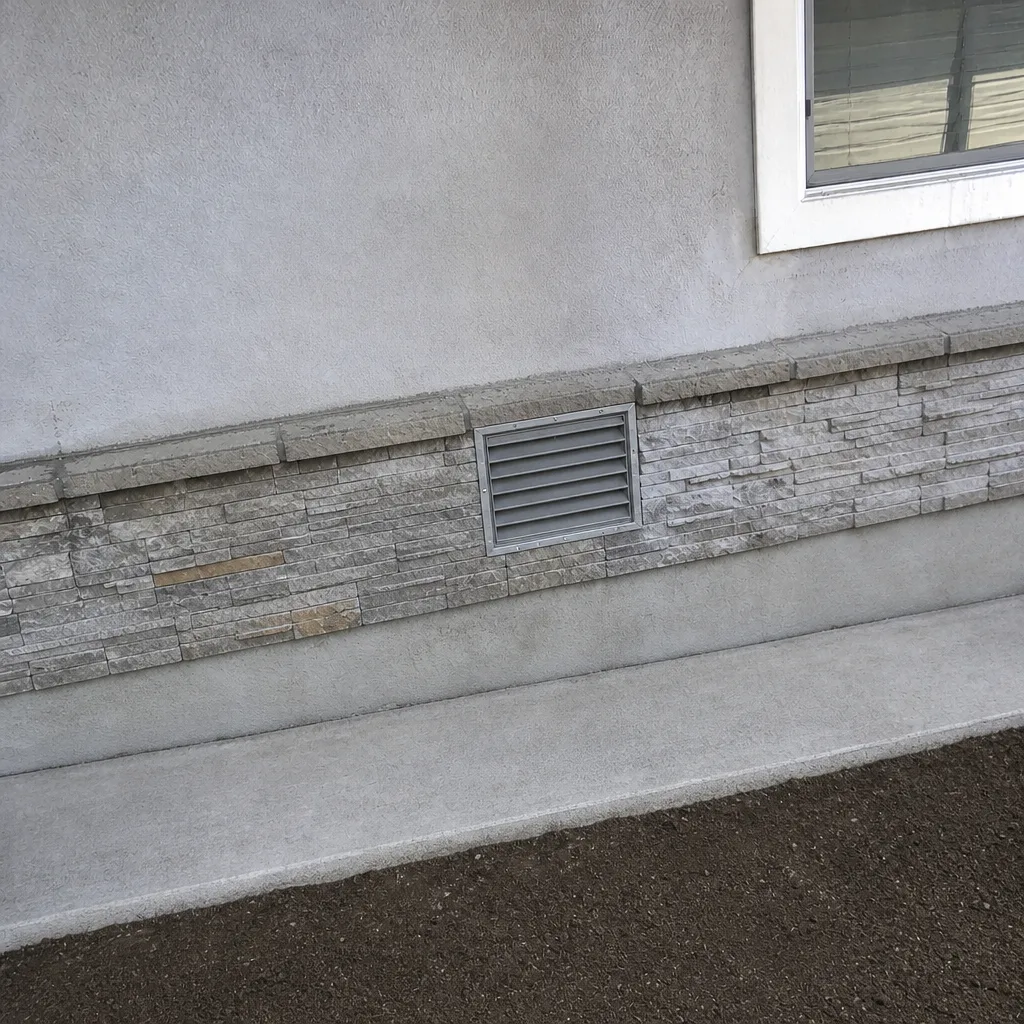 After
 Before
 After
When to Call a Professional
Some situations point to a professional clean regardless of how handy you are. A persistent musty odor when the system starts is one. Visible microbial growth at a register or inside the air handler is another. So is any evidence of a punctured or disconnected flex duct, a renovation completed within the last year, or a home older than 25 years with no documented duct cleaning on record. The same is true if anyone in the household has reported allergy or asthma symptoms that seem tied to the HVAC running, or if airflow to one room is noticeably weaker than the rest.
Lake Forest Air Duct Cleaning Pros offers free estimates in Lake Forest. Call (833) 468-5640. We answer 24/7. Fast dispatch from 7am to 7pm, Sunday through Friday. Our technicians have up to 10 years of experience and work with Rotobrush, Nikro, and Abatement Technologies equipment as well as Honeywell, Aprilaire, and Guardsman systems, so the ductwork and the air-quality equipment around it get the same attention.
Frequently Asked Questions
Most Lake Forest homes fall into a whole-system estimate that depends on square footage, the number of registers, the ductwork layout, and whether repair or sanitizing is needed. We quote per system, not per vent, so you get one flat price for the full job agreed before work starts. The written estimate sets the final number, and it’s free. Call (833) 468-5640 for an exact quote. Estimates are free.
Some quotes leave out the work that matters: dryer vent cleaning, duct repair and sealing, before-and-after photos, and containment equipment. A low per-vent figure also often means the crew stops at what the brush can see from the register. Whole-system pricing with the full scope in writing is the honest comparison. If you’re weighing a low coupon against a written estimate in Lake Forest, ask exactly what’s included before deciding. Call (833) 468-5640 for a free estimate that lists the scope.
Ask for before-and-after photos of your own ducts, not stock images. A professional clean also produces physical evidence: the extraction unit collects what comes out, and the technician can show you the cleaned surfaces at each register. Duct repair and sealing, when needed, should appear as a documented item in the final inspection. Call (833) 468-5640 and we’ll walk you through what documentation you’ll receive.
For most homes, every three to five years is a reasonable interval, with filter changes on the manufacturer’s schedule in between. Homes with pets, recent renovations, allergy or asthma concerns, or older ductwork may need it more often. If you’ve just moved in and don’t know the history, a first inspection is worth booking. Call (833) 468-5640 for a free estimate and we’ll give you a realistic interval for your system.
It can, in some equipment warranties, if a homeowner’s work causes damage that a later service call traces back to it. Warranty terms vary by manufacturer and installer, so check the paperwork that came with your system before deciding. Any doubt points to a professional clean, which keeps the documented service record intact. Call (833) 468-5640 if you want us to look at the equipment before you decide.
It makes the case for consistency more than urgency. Lake Forest’s hot, dry summers mean the system runs for more hours each year than in cooler climates, moving more air through the ducts annually. That accelerates accumulation and makes an annual or biennial filter change non-negotiable. Duct cleaning itself still follows the three-to-five-year rule for most homes. Call (833) 468-5640 for a free estimate and we’ll look at your specific system.
The Bottom Line
The honest answer to “can I clean my own ducts?” is task-specific. Register removal, filter changes, and exterior dryer lint clearing are genuinely DIY-appropriate. Anything upstream, near the plenum, the air handler, or the branch runs, is where DIY goes wrong in a predictable way: disturbed debris without containment, punctured flex, dislodged insulation, and mold that goes airborne. For a Lake Forest homeowner deciding the question, the decision usually comes down to three things: the age of the ductwork, whether a recent renovation or odor issue is in play, and whether you’re willing to chance a second remediation call. If any of those tilt toward “yes, professionally,” a written estimate is the cheapest way to find out what you’re dealing with.
Ready for a real evaluation? Call (833) 468-5640 for a free estimate in Lake Forest. We answer 24/7. Fast dispatch from 7am to 7pm, Sunday through Friday. One flat price per system, agreed before work starts, with before-and-after photos of your own ducts. From the HVAC unit to every register, we clean the full system, then seal what’s leaking.
Written by the team at Lake Forest Air Duct Cleaning Pros.