
Last updated November 25, 2026
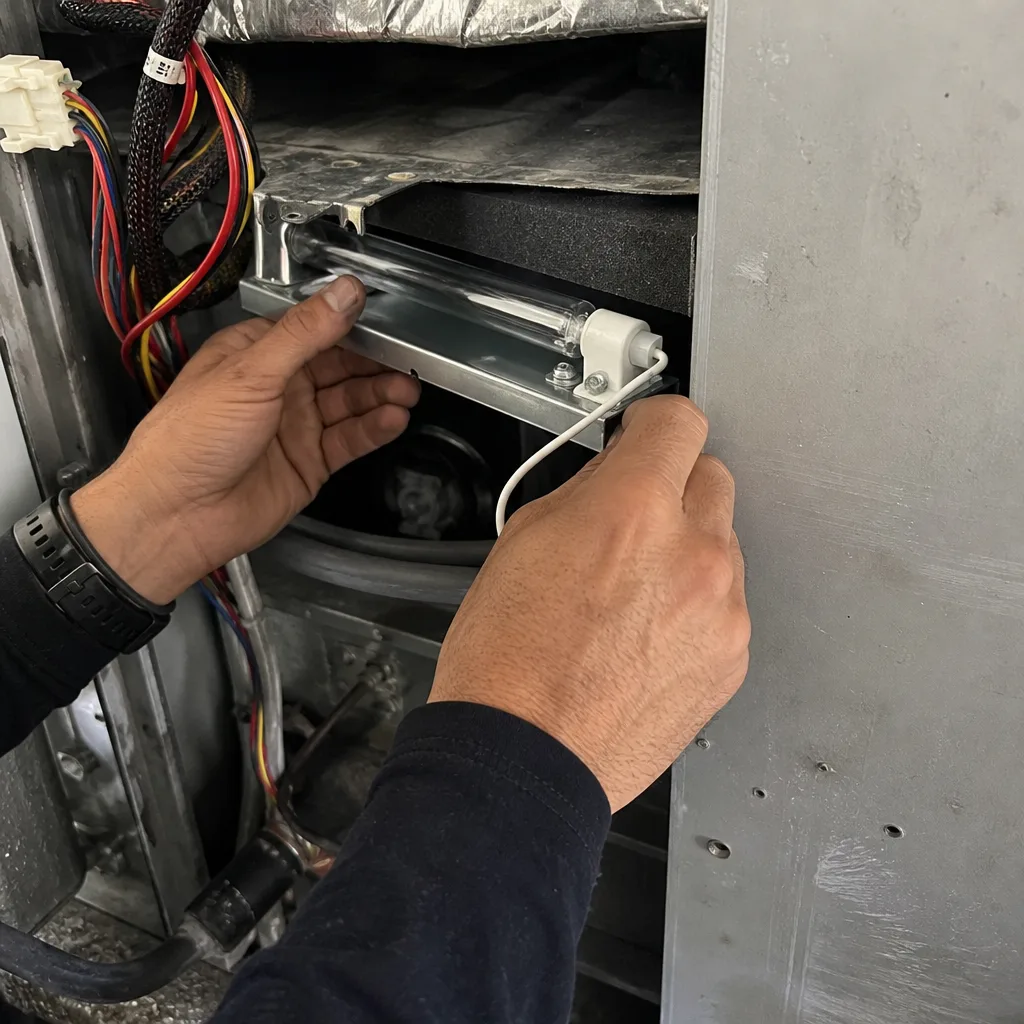
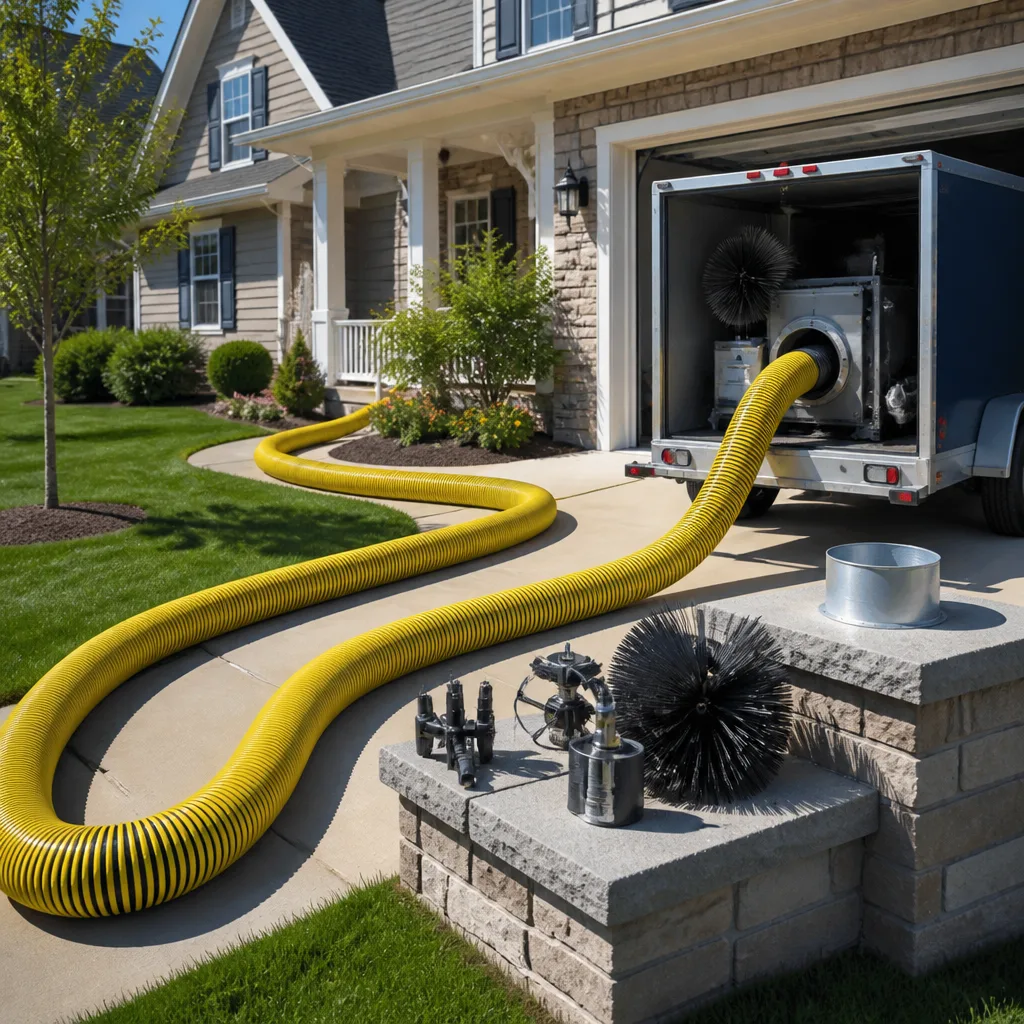 Whole-home duct cleaning
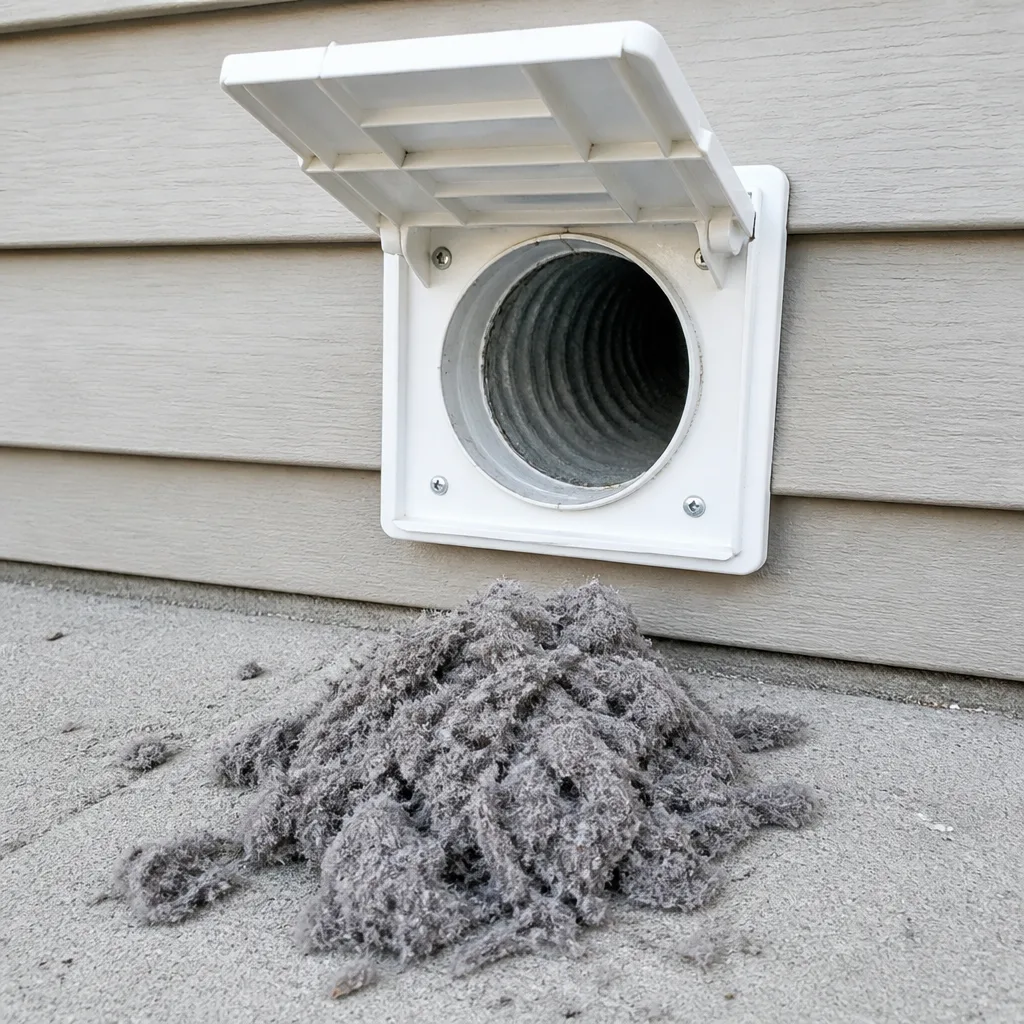 Dryer vent cleaning
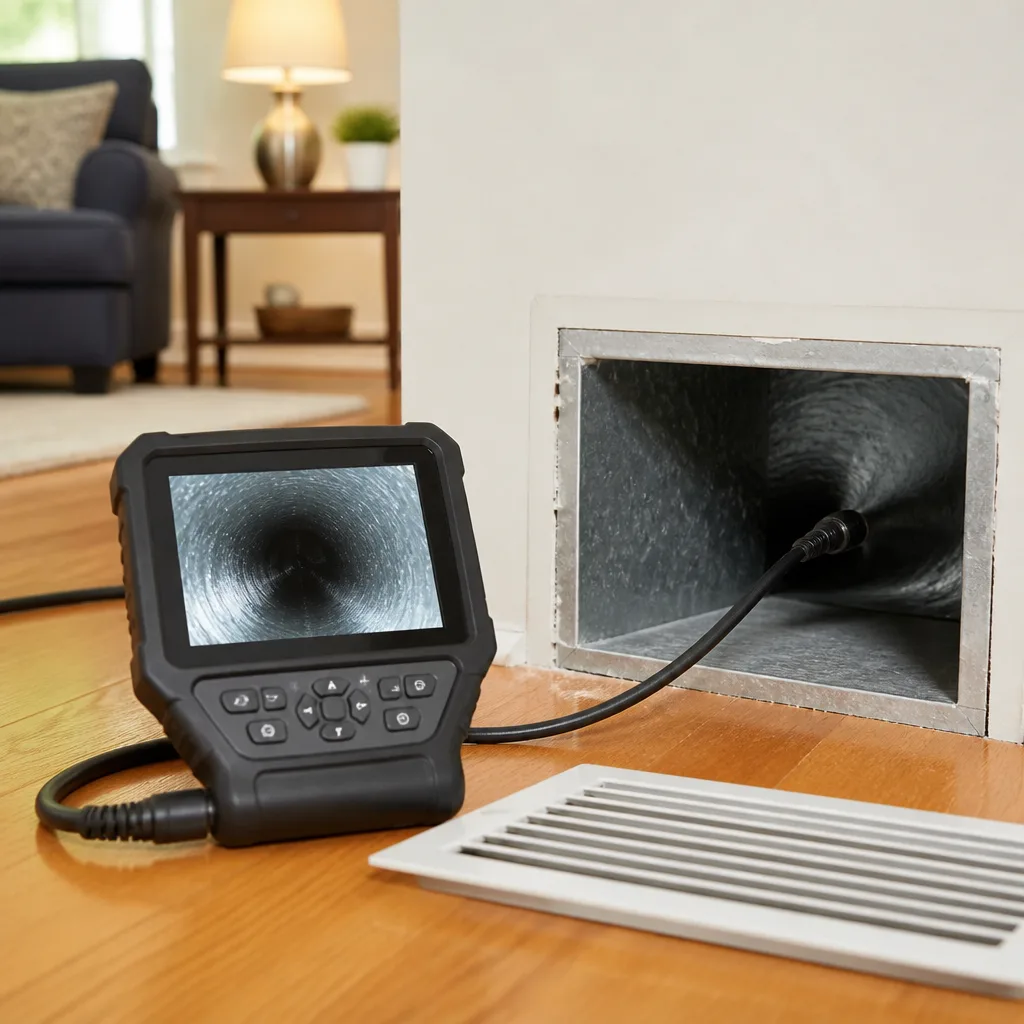 Camera inspection
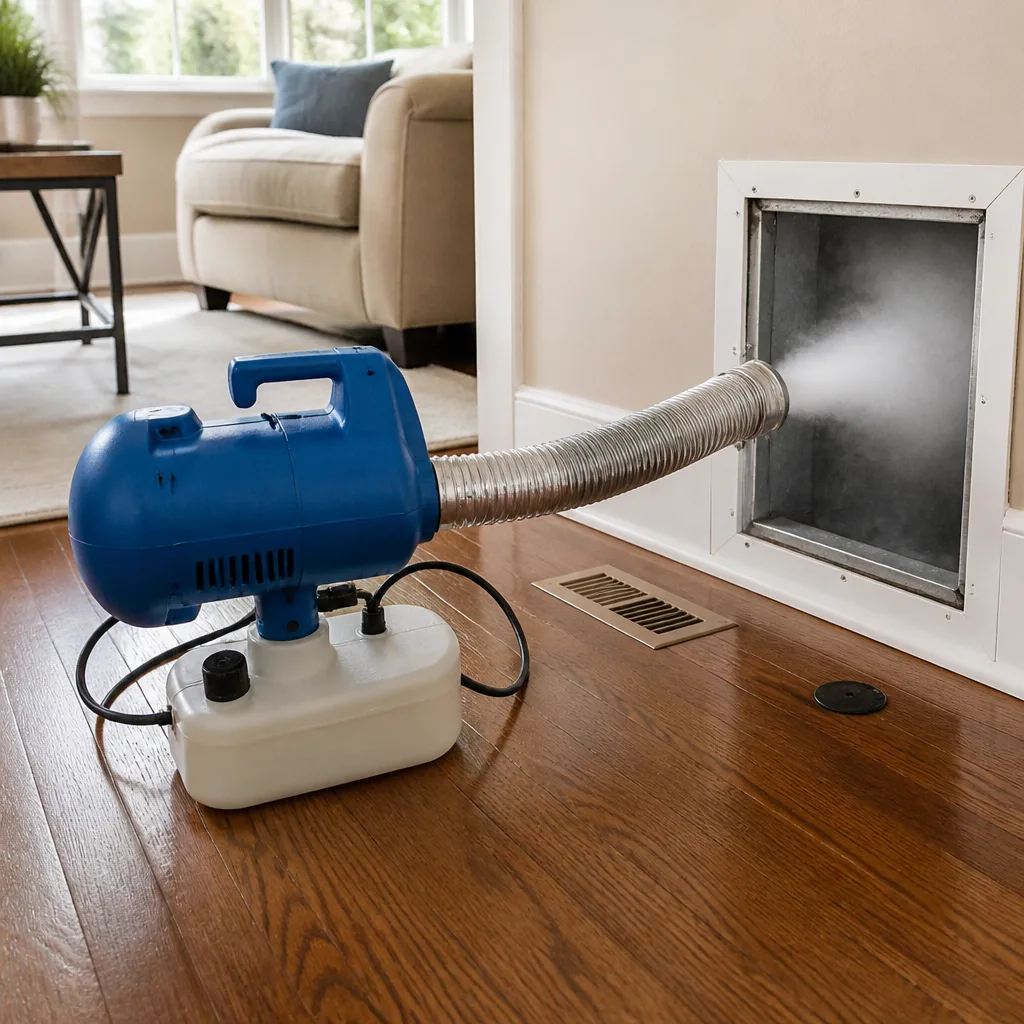 Sanitizing & deodorizing
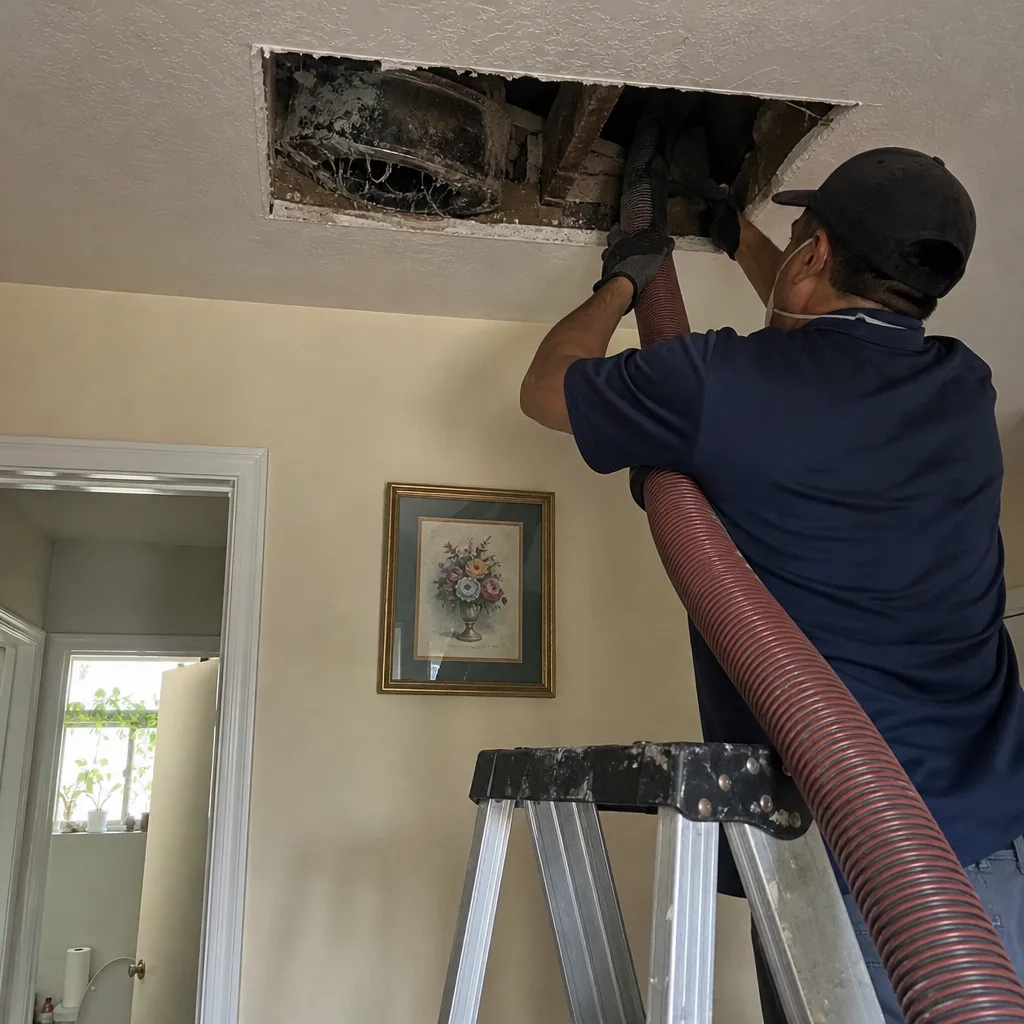
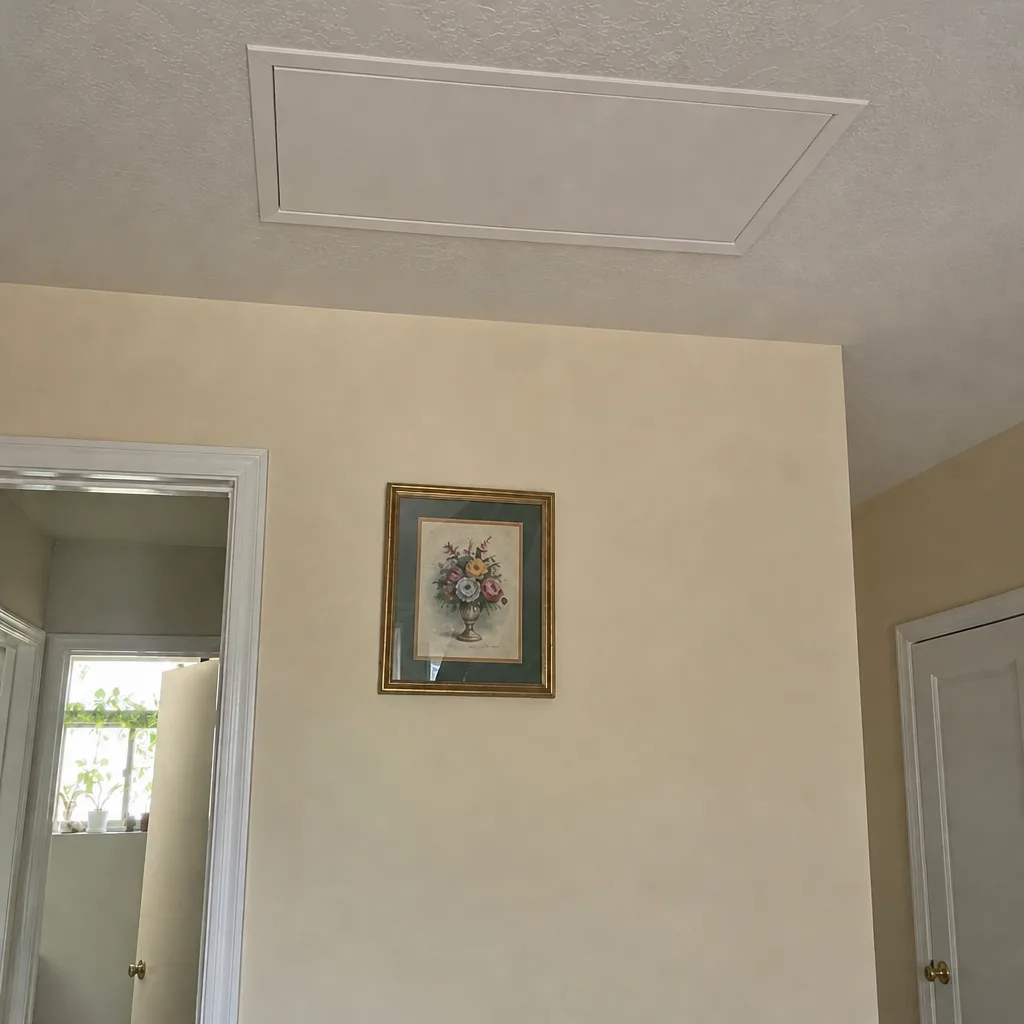
Whole-system duct and dryer vent check with before-and-after photos - you see exactly what came out of your vents
That "$99 whole-house special" is a bait ad - the real number appears once they are in your hallway, or the "clean" is a shop-vac at the register. We photograph the inside of your ducts before and after instead.
How to Hire an Air Duct Cleaning Contractor in Lake Forest: A Step-by-Step Guide
Most homeowners in Lake Forest hire an air duct cleaning contractor by comparing three quotes and picking the middle number. That is exactly the wrong method. In California, there is almost no licensing barrier to entry for this trade, which means a crew with a shop vac and a website built overnight can hand you a quote that looks identical to one from a full-system specialist with real equipment behind it. The price is not the signal. The questions you ask before the price is ever mentioned are the signal. This guide gives you those questions: what to ask about vacuum capacity, negative pressure, camera inspection, certification, and the written scope of work that separates a real contractor from a coupon in your mailbox.
Quick Answer
To hire an air duct cleaning contractor in Lake Forest, verify three things before you discuss price: that the company uses professional negative-pressure equipment with a documented CFM rating, that it can produce a written scope of work covering every component it will clean, and that any certification claim is verifiable rather than just a logo. A legitimate contractor inspects first, quotes a flat price per system, and delivers before-and-after photos plus a report after the job. If any of those three steps is missing, keep calling.
Styles & brands we work with
- Whole-home duct cleaning
- Dryer vent cleaning
- Camera inspection
- Sanitizing & deodorizing
Table of Contents
- Why Vetting Falls on You in California
- The Equipment Questions That Expose Undertrained Operators
- How to Verify a Certification Isn’t Just a Logo
- Red Flags in a Quote: Per-Vent Pricing and Missing Scopes
- How to Compare Quotes Apples-to-Apples When Scopes Differ
- What a Legitimate Post-Job Report Contains
- Why Lake Forest Homes Need a Closer Look
- Common Mistakes to Avoid
- When to Call a Professional
Why Vetting Falls on You in California
California does not issue a dedicated air duct cleaning license. There’s no state exam a duct cleaner must pass, no minimum equipment standard, and no mandatory training hour count. A general contractor’s license may apply to certain aspects of the work, but a standalone duct cleaning company operating under a business license can legally show up at your Lake Forest door with almost nothing in the way of verified qualifications. That’s not a reason to panic. It’s a reason to treat your own screening process as the real license.
What this means practically is that the burden of proof sits with you. When you call a Lake Forest air duct cleaning company, you are effectively the inspector. You’re the one who has to ask whether the vacuum moves enough air, whether the crew has a camera, whether the price is flat or per vent, and whether anyone on the truck has actually done this work before. Most homeowners skip those questions because they assume the market has already sorted the good from the bad. It hasn’t.
Our technicians have up to 10 years of experience, and in that time the pattern we see repeated is simple: the jobs that go wrong were never quoted in writing in the first place. The homeowner got a phone number off a flyer, a cheerful arrival, an hour of vague noise, and an invoice for more than was discussed. Nobody asked what equipment was coming. So ask. It costs nothing and it filters out most of the problem in one conversation.
The Equipment Questions That Expose Undertrained Operators
The single most revealing question you can ask a duct cleaning contractor is what kind of vacuum they use and how much air it moves. A real duct cleaning vacuum is a truck-mounted or large portable unit measured in cubic feet per minute, and it needs to pull enough negative pressure inside the ductwork that dislodged debris travels toward the machine instead of settling in your living room. Ask for the CFM rating. A serious contractor can tell you. A shop-vac operation cannot.
Here’s how to run that part of the conversation:
- Ask for the vacuum’s CFM rating and whether it’s HEPA-filtered. If the answer is vague, you’ve learned what you needed to know.
- Ask whether they use negative pressure or positive pressure. Negative pressure pulls contaminants out of the system. Positive pressure and air whips without extraction can push dust through leaks into the house.
- Ask whether the duct walls are mechanically scrubbed or just vacuumed. Rotary brush systems reach the stuck-on layer; a vacuum alone typically doesn’t.
- Ask whether they carry an inspection camera. A camera lets the technician show you what’s inside the duct before and after, including any disconnected or crushed sections.
- Ask what filtration runs on-site during the job. Filtration systems like Abatement Technologies units contain what’s being dislodged instead of recirculating it.
At Lake Forest Air Duct Cleaning Pros, our equipment includes Rotobrush and Nikro rotary-brush extraction systems, and we deploy Abatement Technologies air filtration on-site during service. We name the equipment because it’s the actual answer to the question, not a marketing flourish. Rotobrush is a rotary brush system that mechanically scrubs duct walls, and Nikro units add serious vacuum capacity on the extraction side. You should expect any contractor you hire to speak about their equipment the same way.
How to Verify a Certification Isn’t Just a Logo
A certification logo on a website means nothing until you verify it. The most commonly cited credential in this trade comes from NADCA, the National Air Duct Cleaners Association. Belonging to it signals a company has agreed to a set of standards and has at least one person who has passed their training. But websites copy logos constantly, and some companies display one they are not entitled to use. Verify, don’t assume.
- Ask for the name and ID of the certified individual, not just the company name.
- Check the certifying body’s own directory directly rather than trusting a badge image.
- Ask whether the certification is current, since these require renewal.
- Ask what training the technician who will actually be at your home has completed.
- Ask what happens if the work reveals a problem outside their scope.
That last one matters more than homeowners expect. If the cleaning reveals a disconnected duct run or a crushed section under the subfloor, some companies will finish the cleaning and leave the problem for someone else. You’ll then be searching for a second contractor. Ask upfront whether duct repair and sealing is part of what they do, and whether they can handle it on the same visit. In our case it’s a core service, so we don’t hand that work back to you.
Technicians who also know the equipment they’re working around add another layer. Familiarity with systems built by Honeywell and Aprilaire means a technician can talk intelligently about filter maintenance and system compatibility rather than working blind around a cabinet they don’t understand. It’s not a certification question, but it’s a competence question, and it belongs in the same conversation.
Red Flags in a Quote: Per-Vent Pricing and Missing Scopes
Per-vent pricing is the biggest tell in this industry. A price per vent sounds transparent because it’s broken into pieces, but it incentivizes the contractor to count fast and clean shallow. It also gives no assurance that the air handler, the main trunk lines, or the return side will be touched at all. A flat price per system is a different animal entirely, because the contractor knows the full scope going in and prices the whole job instead of a collection of vents.
Watch for these in any quote you receive in Lake Forest:
- No on-site or camera-based pre-inspection. A quote given over the phone without looking at the system is a guess dressed as a price.
- Per-vent pricing. It obscures whether trunks, plenums, and the air handler are included.
- No written scope of work. If you can’t read exactly what will be cleaned, it will not all be cleaned.
- Coupon pricing that assumes add-ons. A very low advertised number that grows on arrival is the bait-and-switch pattern most homeowners describe.
- No before-and-after documentation offered. If photos of your own ducts aren’t part of the deal, ask why.
- Vague equipment answers. “Our special machine” is not a description.
The honest version of pricing is a whole-system range based on what the inspection finds, with the written estimate setting the final number. Every job gets a flat price per system agreed before work starts, and it doesn’t move because the technician decided the job was harder than expected. That’s the deal you want, from anyone.
How to Compare Quotes Apples-to-Apples When Scopes Differ
Two quotes for “air duct cleaning” can describe entirely different jobs. One crew cleans the supply registers and the visible branches. Another cleans those plus the return side, the main trunks, the plenum, and the air handler, and seals the accessible joints afterward. If you compare only the totals, the second quote looks expensive and the first looks like a deal. It isn’t; they’re different products.
Write the comparison down. Create four columns and ask each contractor to fill them in:
- What’s included: supply vents, return vents, trunk lines, plenum, air handler, dryer vent, sanitizing. Get a yes or no on each.
- Method: negative pressure figure, brush versus vacuum only, camera inspection yes or no.
- Repair authority: can they seal or replace a disconnected run, or will they stop at cleaning?
- Deliverables: photos, written report, what happens if something is found mid-job.
Once you have that grid in front of you, the cheap quote usually shrinks. It turns out the air handler was never included, the returns weren’t in scope, and the camera was never on the truck. That’s the gap most homeowners don’t see until it’s too late. Cleaning without seals is also an incomplete job, because leaks in the duct system pull unconditioned attic air into the supply side and undermine the airflow you paid to improve.
What a Legitimate Post-Job Report Contains
A single before-and-after photo of one vent proves nothing. A real post-job report connects the documentation to the scope you agreed to. You want a record you can hold the contractor against, not a marketing image for their website.
A proper report should include:
- Before-and-after photos of every major component, not just the most photogenic register.
- Notes on each section cleaned: trunk lines, branches, returns, plenum, air handler.
- Any defects found, described and photographed, with a repair recommendation.
- Whether sanitizing was performed, and on what surfaces.
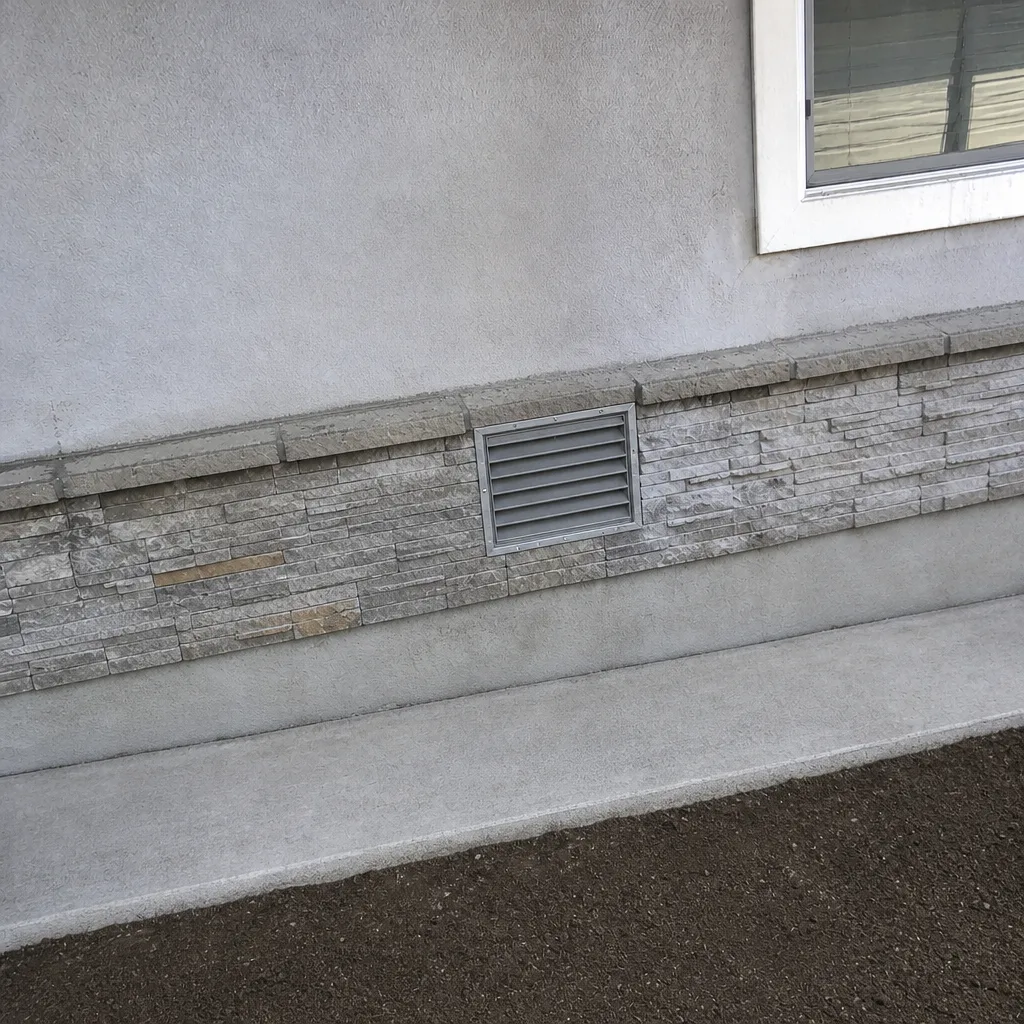
- The dryer vent result, if it was in scope, including whether the exterior termination is clear.
Dryer vent cleaning deserves its own line here because it sits in the same visit but carries its own risk. Lint accumulation around the dryer and along the vent run is a well-known fire hazard, and vent runs in Lake Forest homes often turn several corners before reaching the exterior wall, which gives lint more places to collect. A contractor who can handle ductwork and the dryer vent on the same appointment is finishing the air pathway rather than stopping halfway.
Sanitizing belongs in this conversation too. A sanitizing treatment applied after the mechanical cleaning addresses microbial growth and odor at the source rather than masking it with fragrance. If a company skips sanitizing entirely, ask whether that’s a choice or a limitation.
Why Lake Forest Homes Need a Closer Look
Lake Forest sits inland in south Orange County, which means summers run hot and dry and the HVAC system works hard for a long stretch of the year. Homes in neighborhoods like Foothill Ranch, Portola Hills, and Baker Ranch often run the air handler for hours at a time through the summer, and that long runtime moves a lot of air across imperfect seals. Dust and debris that settles in the ducts has more chances to be picked back up and pushed into living spaces than it would in a milder climate.
The housing mix matters too. Older sections of Lake Forest, and the ranch-era homes that predate the tract subdivisions, sometimes carry ductwork that’s been through multiple remodels. Original runs get disconnected, joined to new ones with little more than tape, or rerouted around an addition. In those homes, cleaning without inspection is guesswork. A camera through the trunk lines tells you whether the system is actually sealed, and if it isn’t, a contractor who can repair and seal on the spot turns a bad discovery into a fixed problem in the same visit.
Newer construction carries a different issue. A home that’s been recently built or renovated often has construction dust, drywall particles, and off-gassing trapped in the duct system from the moment the occupants move in. Anyone who’s just taken possession of a new Lake Forest house should treat the first cleaning as a baseline rather than a routine maintenance item.
Pollen season is serious here too. Inland Orange County gets a heavy spring load, and families with allergy or asthma concerns feel it inside the house as much as out. That’s the group this work is really for: people who take indoor air quality seriously and want a process they can explain to their family, not a coupon they regret.
Common Mistakes to Avoid
- Hiring the cheapest quote without asking about equipment. The lowest number usually comes from the smallest machine. Ask about the CFM rating and negative pressure before you compare any prices.
- Accepting a quote given without inspection. A pre-inspection, ideally with a camera, is the difference between a real price and a guess. If they haven’t looked inside the system, they’re pricing a job they don’t understand.
- Not putting the scope in writing. Verbal promises about “the whole system” mean nothing when the air handler isn’t on the invoice. Get the scope on paper and hold the contractor to it.
- Skipping the return side and air handler because the quote didn’t mention them. Half a system cleaned is a system that will redistribute the remaining debris within weeks. Confirm what’s included and what isn’t, explicitly.
- Forgetting the dryer vent. It’s the easiest thing to overlook and one of the more consequential items in the whole visit. If it’s not in the scope, add it or call someone who can do both.
- Hiring a cleaner with no repair capability. When the inspection finds a crushed run or a disconnected joint, you want the same company to seal or replace it rather than being handed a business card for “a guy who does that.”
- Treating one before-and-after photo as proof of work. Documentation should cover the components in your written scope, not a single vent that photographs well. Ask what the report will contain before you book.
When to Call a Professional
Not every home needs a full cleaning, but several situations call for a professional assessment. If you’ve recently moved into a Lake Forest home and don’t know when the ducts were last cleaned, that’s a baseline appointment. If someone in the household has allergies or asthma that seem worse indoors, the ductwork is a reasonable place to look. If you’ve just finished a renovation or moved into a newly built house, construction debris and drywall dust are likely still in the system. If you smell something musty when the HVAC kicks on, that’s a sign of growth or standing moisture that a mechanical cleaning plus sanitizing can address. If airflow is uneven room to room, or if the dryer takes noticeably longer to dry a load, those are symptoms worth having inspected rather than ignored.
Lake Forest Air Duct Cleaning Pros offers free estimates in Lake Forest. Call (833) 468-5640 and we’ll come look at the system, quote a flat price per system, and show you what’s actually happening inside your ductwork before you commit to anything.
See the difference
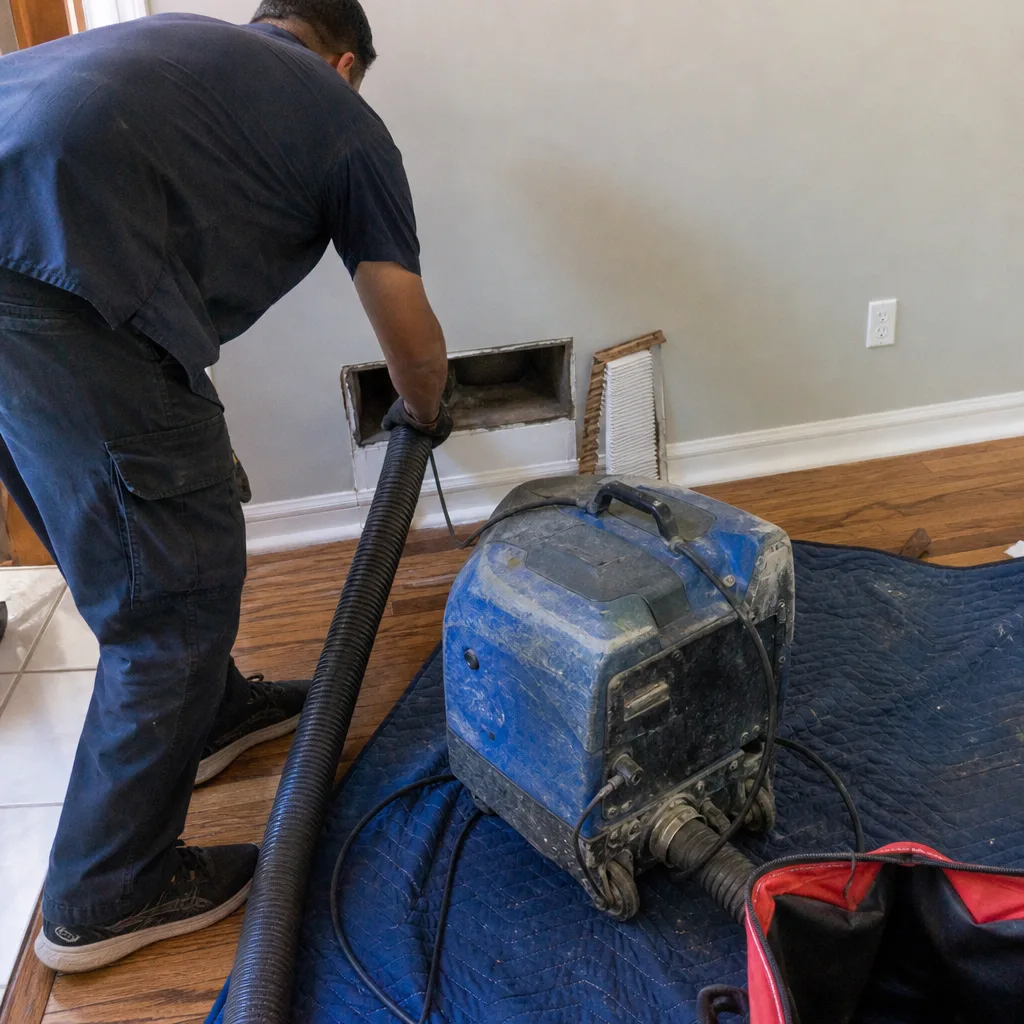 Before
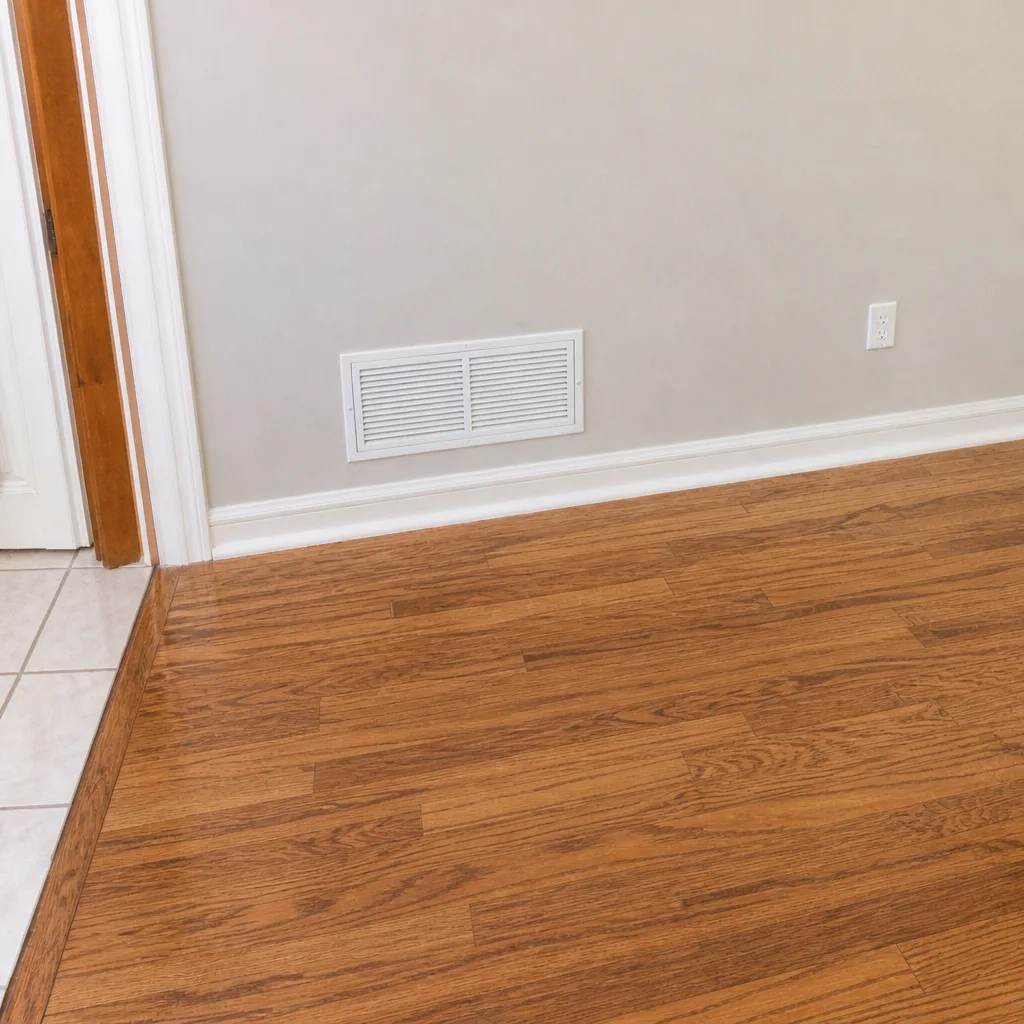 After
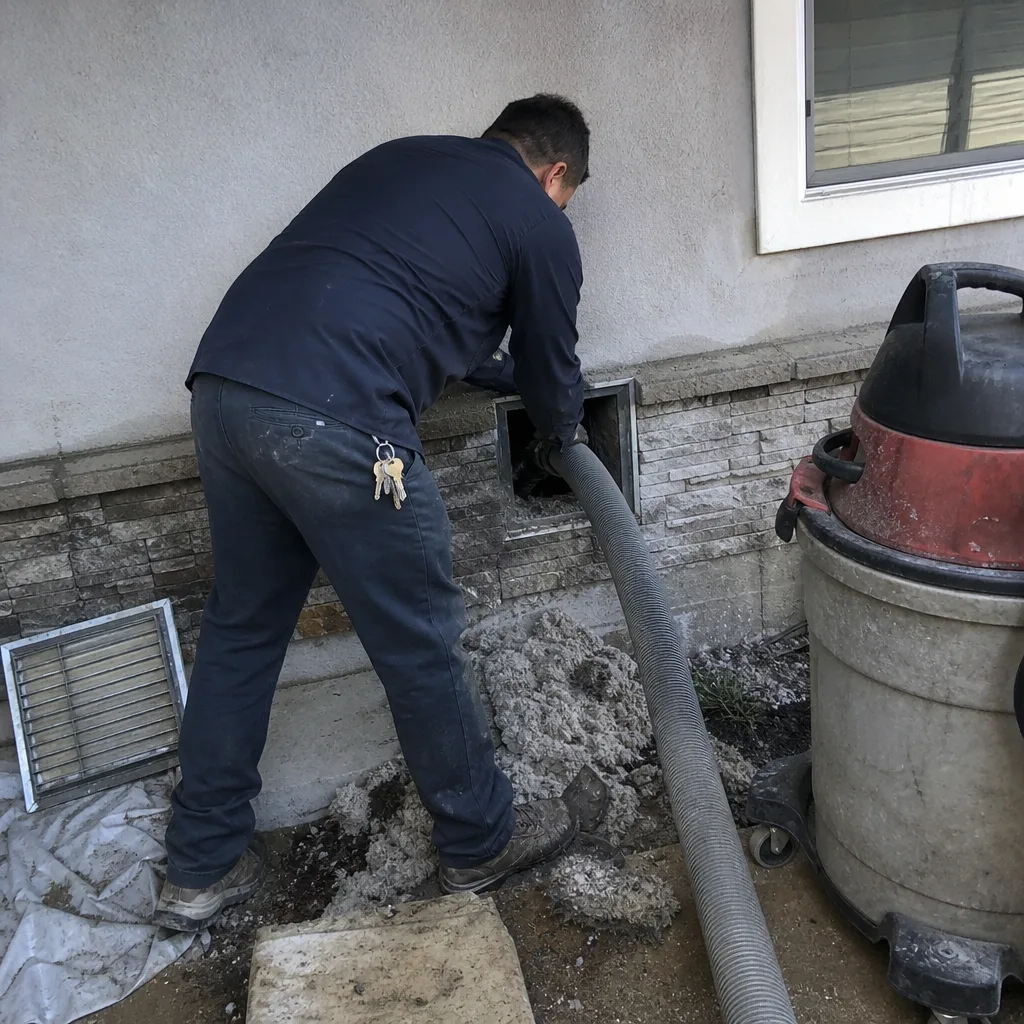 Before
 After
 Before
 After
Frequently Asked Questions
There’s no honest single answer, and anyone who quotes you a precise number over the phone hasn’t looked at your system. The whole-system price depends on the size of the home, the number of runs, whether the air handler and returns are included, whether any duct repair is needed, and whether the dryer vent is part of the visit. The written estimate sets the final price, and every job gets a flat price per system agreed before work starts, not a per-vent number. Call (833) 468-5640 for an exact quote; estimates are free.
Because they describe a different job. The low quote usually excludes the air handler, the return side, or the trunk lines, or the company is running a shop-vac setup where a professional negative-pressure system belongs. Some cheap quotes are simply discount bait that grows into a large invoice on arrival. The right move is to compare scopes side by side, not totals. Call (833) 468-5640 and we’ll walk through exactly what our estimate includes at no cost.
By demanding before-and-after documentation of the components in your written scope, not a single photo of one vent. A legitimate contractor photographs every major section cleaned, notes any defects found, and provides a record of the sanitizing treatment if it was performed. Ask to see what the report contains before you book, and if a company can’t describe that, that’s your answer. Call (833) 468-5640 to see how we document a job.
It depends on the home, not a calendar. A household with pets, allergy or asthma concerns, recent renovation dust, or a move-in of unknown history may want the system inspected sooner. Homes with a well-sealed duct system and routine filter changes can usually stretch the interval. The honest approach is a pre-inspection rather than a fixed schedule. Call (833) 468-5640 and we’ll tell you what your system actually needs, free of charge.
Yes, dryer vent cleaning is part of our service scope and usually worth adding to a duct cleaning appointment since both concern airflow out of the same home. Lint build-up along the vent run is one of the most overlooked fire hazards in a home, and it’s easy to skip if you’re only thinking about the HVAC system. Call (833) 468-5640 to include it in your free estimate.
We identify it, photograph it, and repair or seal it. Duct repair and sealing is a core service for us, so you don’t need a second contractor to finish the job, which is the gap most duct cleaners leave behind when they find something structural. The technician explains the finding and the fix before any repair work begins. Call (833) 468-5640 if you suspect a leak in your Lake Forest home and we’ll take a look.
The Bottom Line
Hiring a duct cleaning contractor in Lake Forest comes down to a short list of questions, and every one of them is answerable before a price is mentioned. Ask about the vacuum’s CFM rating and negative pressure method. Ask whether there’s a camera and what the pre-inspection looks like. Verify certification rather than trusting a logo. Demand a written scope covering the air handler, the returns, the trunks, and the dryer vent if it’s in scope. Confirm the contractor can repair and seal what the cleaning uncovers, and expect a report that documents every component, not one glossy photo. Get all of that in writing, and the weak quotes eliminate themselves.
Air Duct Cleaning in Lake Forest: Where to Start
If you’re ready to put the questions to work, the first call is the one where you get answers about your own system. Lake Forest Air Duct Cleaning Pros handles the full air pathway from the HVAC unit to every register, using Rotobrush and Nikro rotary-brush extraction systems with Abatement Technologies filtration on-site, and we can repair and seal what we find on the same visit. Whether you’re booking air duct cleaning for a move-in, adding dryer vent cleaning to your appointment, or scheduling HVAC cleaning to complete the system, the process starts the same way: an inspection, a flat price per system in writing, and a job documented before and after.
Call (833) 468-5640 for a free estimate. We answer 24/7. Fast dispatch from 7am to 7pm, Sunday through Friday. Or take a look at how we approach the work at Lake Forest Air Duct Cleaning Pros and see what a full-system visit actually involves before you decide.
Written by the team at Lake Forest Air Duct Cleaning Pros.